
 English
 Español
 русский
 Français

One large aluminum die casting can now replace what used to be 70 to 130 separately stamped and welded steel parts in a...
READ MORE
Content
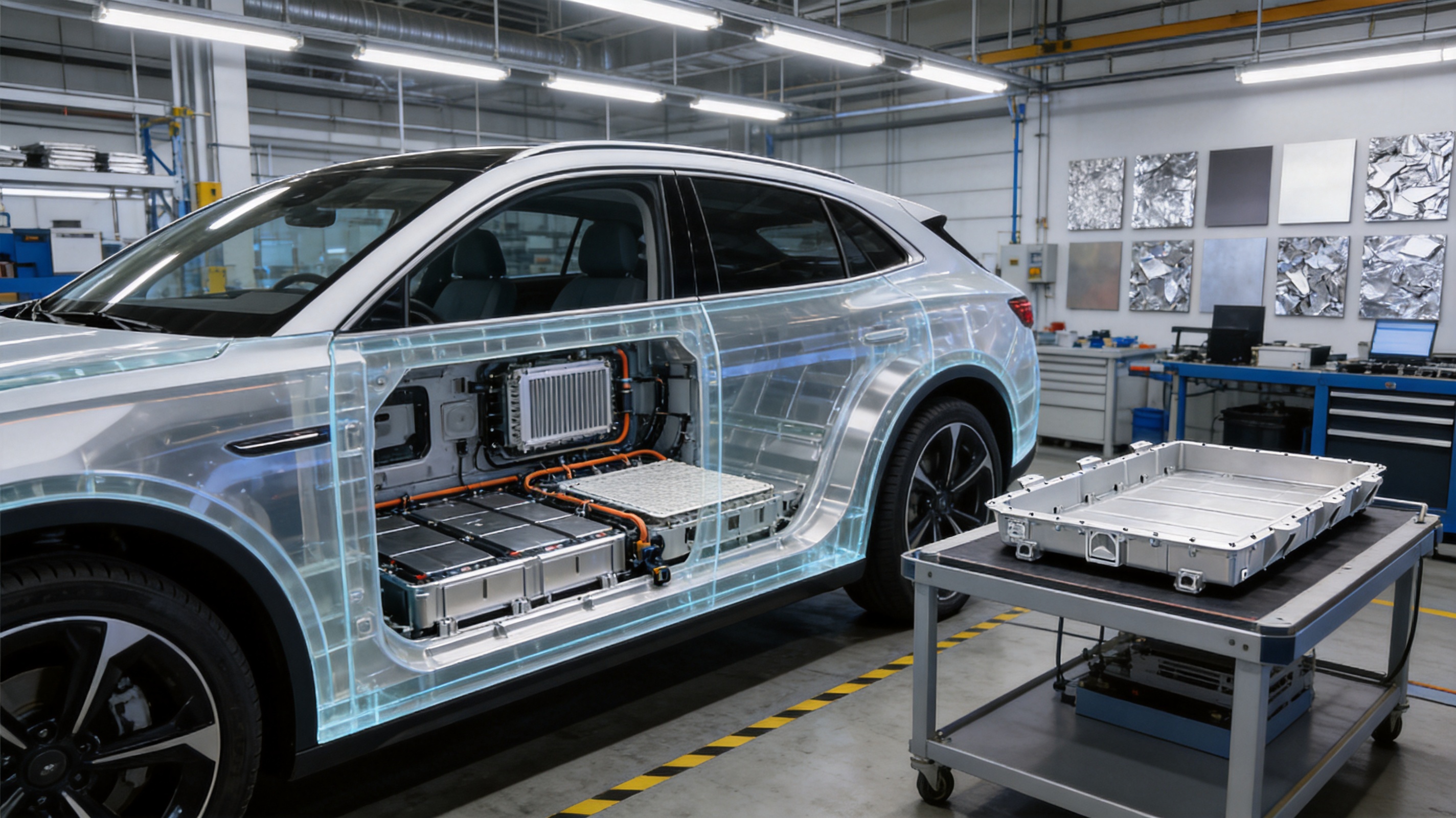
The rapid growth of electric and hybrid vehicles is transforming the design requirements for automotive structural components. Among the most important of these components is the battery tray, which supports, encloses, and protects the battery modules that provide energy for vehicle propulsion. Although it may appear to be a relatively simple enclosure, the battery tray is a highly engineered assembly that must satisfy demanding requirements for mechanical strength, dimensional accuracy, thermal management, corrosion resistance, sealing, crash safety, manufacturability, and cost control.
Modern battery trays are increasingly produced from aluminum alloys through advanced die-casting processes. Compared with traditional fabricated structures made from multiple stamped, extruded, or welded parts, an optimized aluminum die-cast battery tray can reduce part count, simplify assembly, improve structural consistency, and contribute to vehicle lightweighting. It can also support the development of integrated vehicle architectures in which several functions are combined into fewer large structural components.
Ningbo Dinghong Mould Co., Ltd. provides die-casting molds and aluminum alloy die-cast products for automotive, new-energy, electrical, telecommunications, appliance, photovoltaic, motorcycle, pump and valve, fitness equipment, robotic, and other industrial applications. With experience in mold design, mold manufacturing, die casting, finishing, inspection, and trade, the company is positioned to support battery tray projects from initial engineering analysis through production delivery.
This article examines the design value, manufacturing advantages, quality requirements, and application potential of die-cast aluminum battery trays for new energy vehicles. It also explains how an integrated manufacturing system can help customers obtain reliable tooling, consistent parts, efficient production, and long-term supply support.
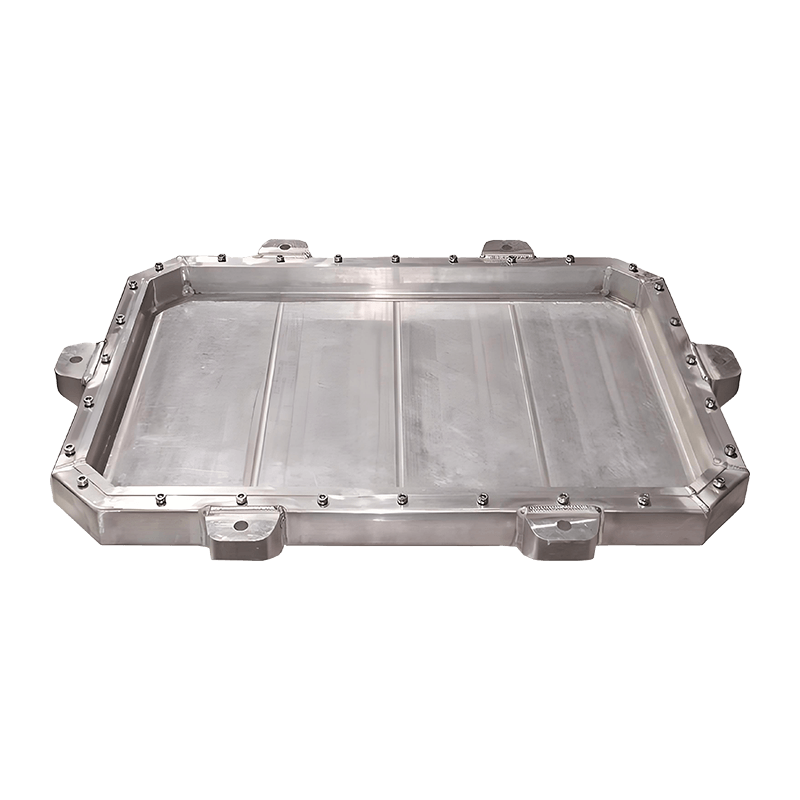
Die casting Battery Tray for New Energy Vehicles
The battery tray is the core structural foundation of a vehicle battery system. It typically supports the battery modules, busbars, cooling components, electrical protection devices, covers, sealing elements, and related hardware. Depending on the vehicle architecture, the tray may also contribute to the stiffness of the vehicle floor and help transfer loads between the battery enclosure and the body structure.
The battery system can represent a substantial proportion of the vehicle’s mass. The battery tray itself commonly accounts for approximately 20% to 30% of the total battery-system weight, making its design highly significant for vehicle efficiency. A tray that is too heavy reduces the benefits of electrification, while a tray that is too light or insufficiently rigid may compromise safety, durability, and service life.
A well-designed tray must perform several functions at the same time:
Carry the static weight of the battery modules and associated components.
Resist vibration, impact, torsion, and repeated loading during vehicle operation.
Protect the battery cells and electrical systems from road debris, water, dust, and other environmental hazards.
Maintain dimensional stability under changing temperatures and mechanical loads.
Provide accurate mounting interfaces for modules, cooling systems, covers, sensors, and vehicle-body connections.
Support sealing and enclosure performance throughout the vehicle’s operating life.
Allow efficient production at the required automotive volume and quality level.
These requirements make the tray more than a simple container. It is a precision structural component that combines mechanical, thermal, electrical, sealing, and manufacturing functions. The choice of process therefore has a direct effect on the final performance of the vehicle battery system.
Aluminum alloy is the mainstream material for many new-energy vehicle battery trays because it provides an effective balance between weight, strength, corrosion resistance, thermal conductivity, and processability. Its relatively low density allows designers to reduce mass without abandoning the structural functions required of the enclosure.
When compared with steel, aluminum can offer significant weight-saving potential. The exact reduction depends on the design, alloy, wall thickness, reinforcement layout, and manufacturing method. In battery applications, even a moderate reduction in tray mass can support improved driving range, lower energy consumption, improved acceleration performance, and greater flexibility in battery-system packaging.
Aluminum alloys also offer good corrosion resistance when the alloy, surface treatment, sealing design, and service environment are properly matched. This is important because battery trays may be exposed to moisture, road salt, temperature cycling, dust, cleaning agents, and stone impact. A suitable surface-treatment strategy can further improve resistance to corrosion and environmental wear.
Another advantage is thermal conductivity. Although the tray is not the only component responsible for battery thermal management, aluminum can help distribute heat and can be integrated with cooling plates, channels, or thermal interface structures. In a complete battery system, the tray design must be coordinated with the cooling strategy to avoid local temperature differences and to maintain stable operating conditions for the cells.
Aluminum is also compatible with complex die-casting geometries. Ribs, bosses, mounting features, reinforcing structures, and integrated interfaces can be formed in one casting or in a limited number of castings. This design freedom is valuable when engineers seek to reduce assembly steps and improve the repeatability of the finished enclosure.
Die casting uses a metal mold and controlled injection of molten alloy to produce parts with repeatable dimensions and complex shapes. For automotive battery trays, die casting can provide several advantages over an assembly made from numerous stamped, extruded, machined, and welded components.
Traditional battery enclosures may include several profiles, sheets, brackets, cross members, end plates, and welded reinforcements. Each additional piece introduces another tolerance, joint, fixture requirement, inspection point, and potential failure location. A die-cast design can combine multiple functions into a more integrated component.
Reducing part count may shorten assembly time and reduce the amount of welding, fastening, sealing, and handling required. It can also simplify logistics because fewer individual components need to be stored and delivered to the assembly line.
A properly engineered die-casting mold provides a stable cavity geometry that can produce repeated parts with consistent dimensions. This is particularly important for battery trays because the component must align with battery modules, covers, cooling elements, seals, and vehicle mounting points.
Improved dimensional consistency can reduce correction work during assembly. It also helps engineers control gasket compression, bolt-hole alignment, module positioning, and the relationship between the tray and the vehicle body.
Once the mold has been developed, validated, and approved, die casting can support efficient repeat production. Automated trimming, controlled casting parameters, and standardized inspection procedures can help maintain output stability while reducing manual handling.
For vehicle programs requiring thousands or more components, the productivity advantages of die casting can be considerable. The process is especially effective when the design is finalized and the production volume justifies dedicated tooling.
Die casting enables the integration of ribs, bosses, mounting ears, brackets, channels, and other features into the tray geometry. Properly designed features can improve stiffness without adding separate components. They can also provide defined locations for battery-module mounting, cable routing, sensor installation, and enclosure attachment.
Integration must be carefully controlled. Excessive wall thickness, abrupt transitions, inadequate draft, or poorly positioned ribs can create porosity, distortion, shrinkage, or difficult filling conditions. This is why mold-flow analysis and experienced tool design are essential to the success of a die-cast battery tray.
Lightweighting is not achieved simply by making every wall thinner. A successful lightweight design combines material selection, rib placement, load-path analysis, local reinforcement, casting-process knowledge, and accurate simulation. The objective is to place material where it contributes most to stiffness, impact resistance, and durability while removing unnecessary mass from low-stress areas.
Die casting can support this approach by creating carefully designed structural geometries. When combined with aluminum alloy and integrated features, the process provides a practical route to reducing the mass of the battery enclosure without sacrificing its core functions.
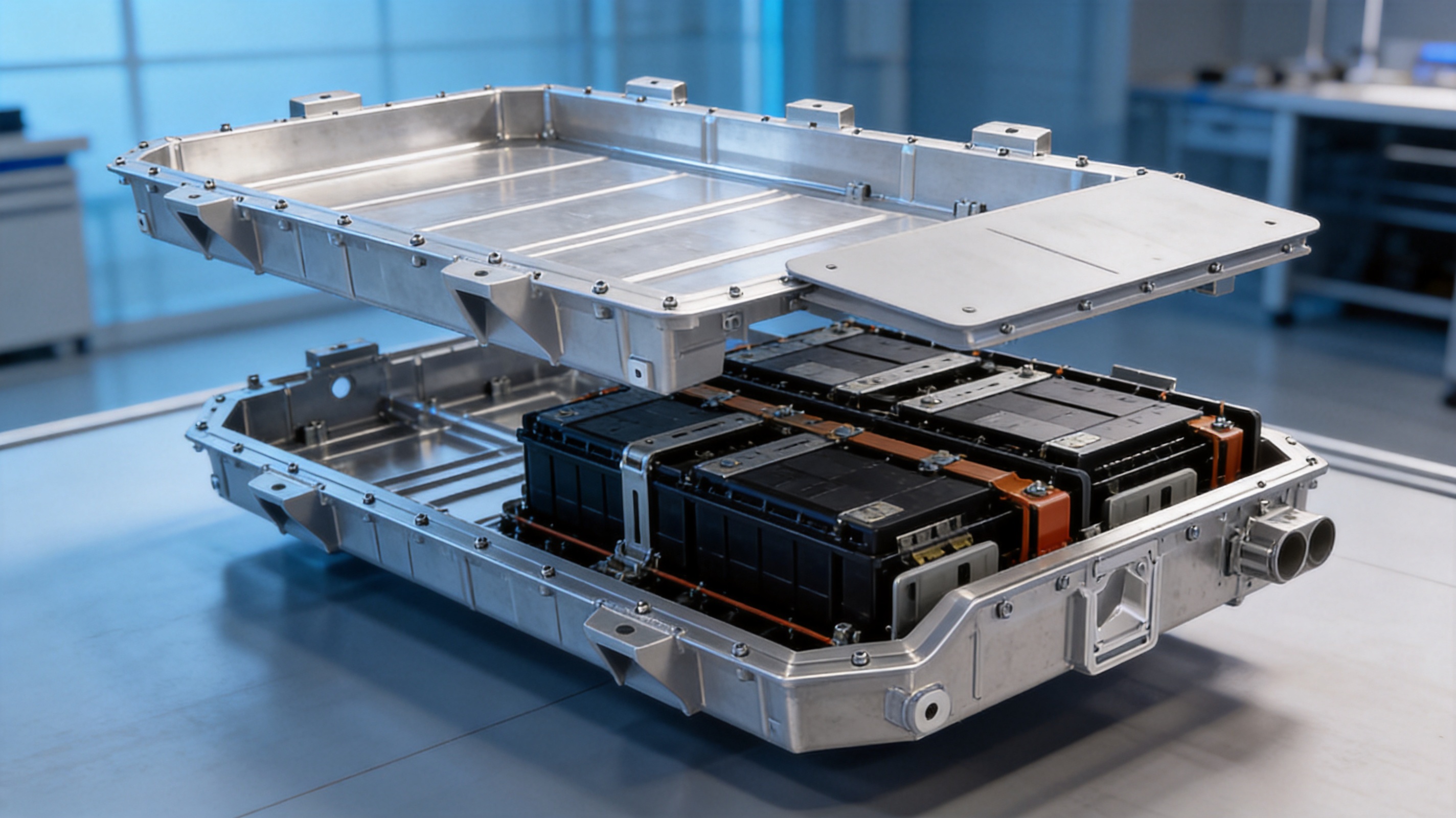
Battery trays for new energy vehicles must be designed as part of a complete system rather than as isolated castings. The mold, alloy, cooling arrangement, battery module, cover, seal, vehicle body, and service requirements all influence the final design.
The tray must support the static and dynamic loads created by the battery modules. During acceleration, braking, cornering, and driving on uneven roads, the enclosure is exposed to repeated forces. It may also experience impact loads during a collision. A rigid tray helps maintain the position of the battery modules and protects critical electrical components from excessive deformation.
Structural ribs and reinforcements should be arranged according to the main load paths. The design should avoid sudden changes in section thickness and should provide appropriate transitions between flat areas, ribs, bosses, and mounting interfaces. These transitions are important not only for strength but also for casting quality.
The battery tray must maintain accurate mounting locations and sealing surfaces. Dimensional errors can lead to uneven gasket compression, interference between components, difficulty installing fasteners, or stress within the battery module assembly.
Critical dimensions should be identified during the product-engineering stage. These may include bolt-hole positions, locating features, cover interfaces, module mounting surfaces, cooling-system interfaces, and vehicle-body attachment points. Inspection fixtures and coordinate-measuring equipment can then be developed around these critical characteristics.
The enclosure must protect the battery system from water, dust, mud, road salt, and other contaminants. The sealing solution may include a cover gasket, liquid sealant, mechanical joint, or a combination of methods. The tray design must provide suitable sealing surfaces, fastener locations, corner transitions, and surface quality.
Sealing performance depends on the whole enclosure, not only the casting. The tray, cover, gasket, fasteners, vents, service openings, and cable interfaces must work together. Casting porosity, distortion, burrs, or uneven machining can compromise the final seal, which is why process control and inspection are essential.
Battery performance and service life depend strongly on temperature control. The tray may be designed to work with cooling plates, liquid channels, thermal interface materials, or other temperature-management components. Its geometry should allow the required cooling components to be installed accurately and should avoid unnecessary thermal barriers.
Aluminum’s thermal conductivity can be beneficial, but material conductivity alone does not guarantee effective cooling. Engineers must consider contact conditions, interface flatness, coolant-channel layout, heat generation, and the thermal behavior of the complete battery pack.
Battery trays operate in environments where corrosion protection is important. The selected aluminum alloy, casting quality, drainage design, surface treatment, coating, and joint design all contribute to long-term durability. Areas where water or contaminants can collect should be minimized or provided with suitable drainage paths.
Surface preparation before coating or treatment is also important. Flash, burrs, residue, and casting defects must be removed or controlled so that the protective finish adheres consistently and covers the intended surfaces.
A technically attractive design may still be unsuitable if it is difficult to cast, trim, machine, inspect, or assemble. Design-for-manufacturing principles should therefore be applied from the beginning of the project.
Important considerations include draft angles, wall thickness, rib proportions, fillet radii, gate locations, overflow design, ejector placement, machining allowances, parting lines, trimming access, and expected distortion. Early cooperation between the customer’s engineering team and the mold manufacturer can prevent costly changes later in the project.
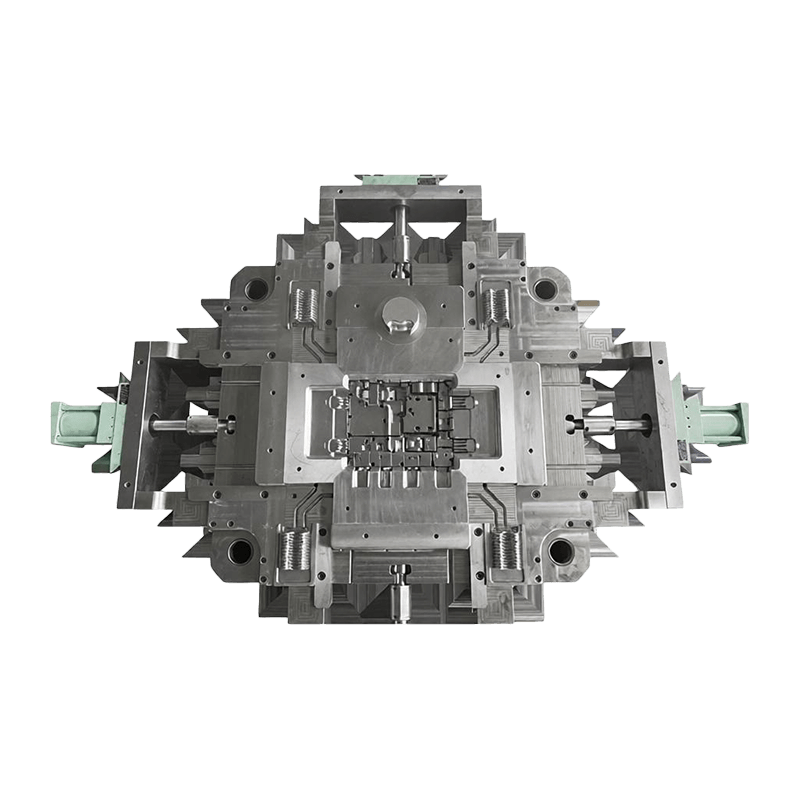
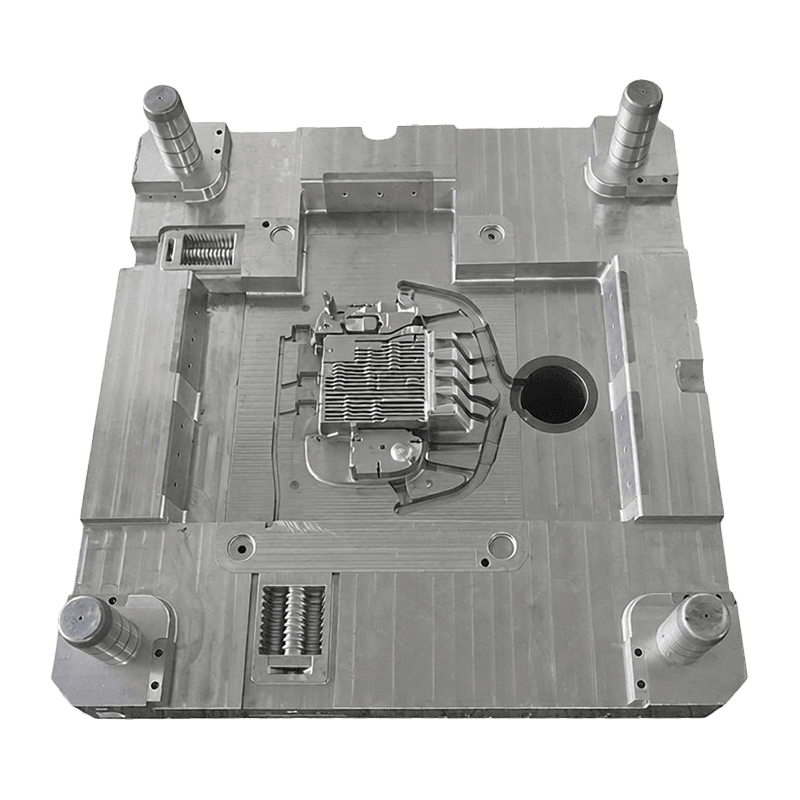
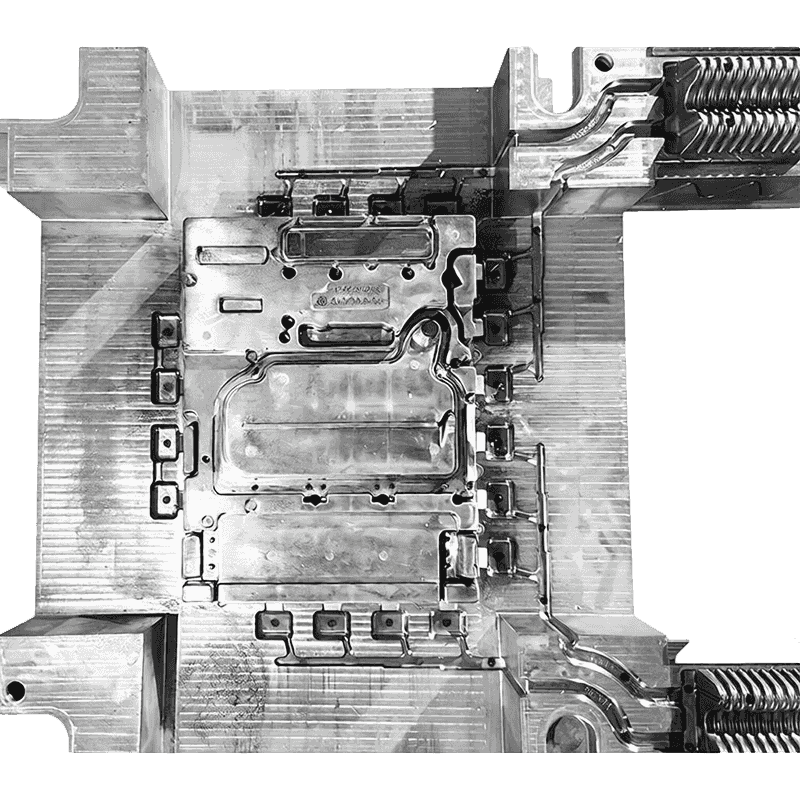
The mold is the foundation of die-casting quality. A battery tray mold must be designed to fill a relatively large and often complex cavity while controlling temperature, air entrapment, shrinkage, ejection, and dimensional stability. The mold must also withstand repeated thermal and mechanical cycling during production.
The engineering process begins with a detailed review of the three-dimensional product model and technical requirements. Engineers evaluate the proposed parting line, wall thickness, draft, undercuts, machining surfaces, sealing areas, mounting points, and possible deformation zones.
If design risks are identified early, adjustments can be made before mold construction. This may include modifying a rib, adding a fillet, changing a local wall thickness, moving an ejector position, improving a draft angle, or revising a mounting feature. Early correction is generally faster and less expensive than modifying a completed mold.
Mold-flow analysis enables engineers to visualize how molten aluminum may fill the cavity. It can help identify filling imbalances, cold shuts, air-entrapment risks, weld lines, incomplete filling, excessive velocity, and potential shrinkage areas.
Simulation does not replace practical engineering judgment, but it provides a valuable method for comparing alternative gate, runner, overflow, and venting arrangements before manufacturing. The result can be a more reliable mold design and a reduced risk of repeated trial corrections.
Gating and overflow systems must be designed to promote stable filling and help remove unwanted air or contaminated material from critical areas. The position and size of gates influence flow direction, pressure distribution, temperature, and the formation of weld lines.
For a large structural casting, the filling strategy must be considered across the entire part. A poorly balanced system may cause one region to fill too early while another region becomes cold or incompletely filled. The objective is to achieve a controlled filling pattern that supports consistent density and surface quality.
Tool temperature affects filling, solidification, cycle time, dimensional stability, and surface quality. The mold should include an appropriate cooling arrangement to manage heat in high-temperature areas and maintain a stable process window.
Thermal balance is especially important for large castings because uneven cooling can contribute to distortion. The mold design, casting parameters, cooling layout, and ejection sequence should be evaluated together rather than independently.
Large aluminum castings require a carefully planned ejection system. Ejector locations must provide sufficient force while avoiding deformation or visible marks on important surfaces. The part should be released from the mold without excessive sticking, distortion, or damage to thin sections and mounting features.
Automated or semi-automated removal can improve production safety and consistency. It can also reduce manual contact with hot castings and support a more repeatable cycle time.
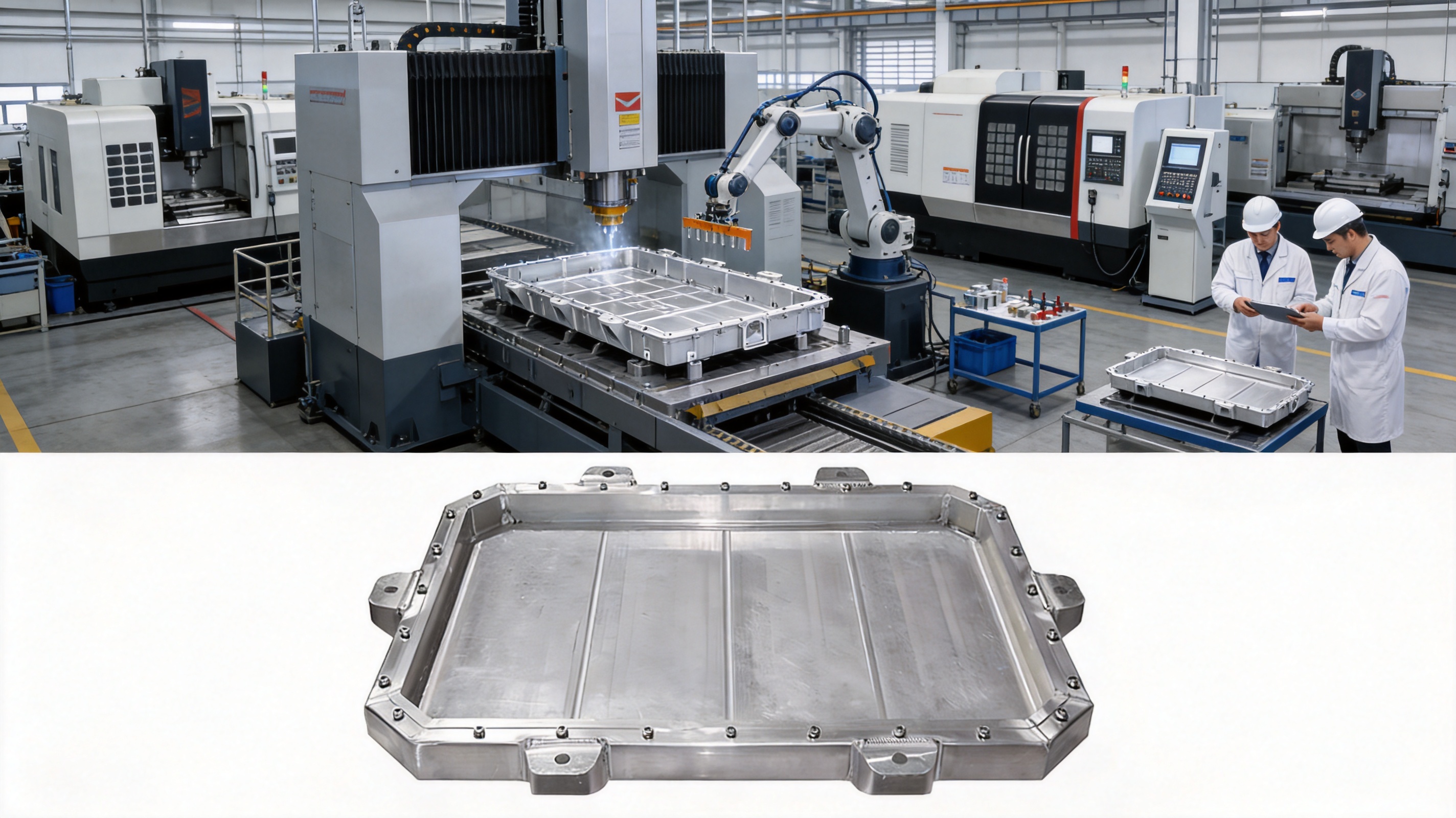
Ningbo Dinghong Mould Co., Ltd. has developed an integrated manufacturing operation covering mold design, mold manufacturing, die casting, finishing, and trade. This combination allows the company to coordinate tooling and casting activities within one supply structure rather than treating them as disconnected processes.
The company was established in 2013 after the earlier establishment of Yuejin Mould in 1998. Its facility is located in Daqi Street, Beilun District, Ningbo, Zhejiang Province, near Beilun Port. The company occupies approximately 20 mu of land and has developed into a modern manufacturing enterprise with approximately 15,000 square meters of plant space.
Its production capabilities include high-precision CNC machining centers, electrical-discharge machining equipment, die-casting machines, automated trimming lines, and other production and testing equipment. These resources support the complete sequence from tool manufacture to finished aluminum alloy components.
High-precision CNC machining centers are used to produce mold components, cavity surfaces, inserts, and other tooling elements. Accurate machining is essential because the mold geometry directly affects the dimensions, surface quality, and repeatability of the casting.
Electrical-discharge machining supports the creation of complex details and difficult-to-machine areas. Together with CNC machining, EDM helps the company manufacture molds with the precision required for automotive and new-energy applications.
Die-casting machines provide the controlled injection force and process capability needed to produce aluminum alloy components. For battery trays, the casting process must be coordinated with alloy selection, mold temperature, injection speed, pressure, filling time, holding conditions, and cycle control.
Stable parameters are important because variations can influence porosity, surface appearance, dimensional accuracy, and mechanical performance. A standardized process helps reduce variation between production batches and supports reliable downstream machining and assembly.
After casting, excess material such as runners, gates, overflows, and flash must be removed. Automated trimming lines can improve repeatability and reduce variation caused by manual cutting or grinding. They can also improve workplace efficiency and help deliver parts with more consistent edge conditions.
Trimming should be performed with attention to critical surfaces and nearby features. Excessive removal can affect dimensions, while incomplete removal can interfere with assembly, sealing, or handling.
Some battery tray surfaces may require machining to meet dimensional, flatness, or sealing requirements. CNC finishing can be used for mounting faces, bolt holes, locating features, sealing surfaces, and other critical areas.
Machining allowances must be considered during the mold-design stage. If the allowance is too small, the surface may not clean up consistently. If it is too large, machining time and material consumption may increase. Coordinating casting and machining requirements helps achieve both quality and cost efficiency.
Automotive battery components require a disciplined quality-management approach. Ningbo Dinghong Mould Co., Ltd. has obtained ISO 9001 and IATF 16949 quality-management system certifications. These certifications reflect the company’s commitment to standardized processes, documented controls, traceability, continuous improvement, and customer-focused quality management.
Quality control should begin before production. During project development, engineers review the product design, mold-flow results, tooling plan, inspection requirements, and process risks. During mold trials and production, process parameters and casting results are evaluated against the approved technical requirements.
Dimensional inspection confirms that the casting and machined component meet the specified geometry. Depending on the product requirements, inspection may include calipers, gauges, fixtures, coordinate-measuring equipment, height measurement, flatness checks, and profile comparison.
Critical characteristics should be clearly identified. A complete inspection plan may include mounting-hole positions, sealing surfaces, locating points, wall dimensions, overall length and width, and features that affect battery-module installation.
Visual inspection helps identify flash, cracks, cold shuts, dents, distortion, machining damage, surface contamination, and other visible defects. Surface requirements should be defined according to the function of each area. A cosmetic surface may have different requirements from a hidden structural surface, but all critical regions must remain suitable for their intended application.
Process control involves monitoring the parameters that influence casting quality. These may include alloy temperature, mold temperature, injection conditions, cycle time, trimming conditions, machining parameters, and inspection results.
Consistent records enable engineers to identify trends and respond to variation before it becomes a larger production issue. A documented process also supports communication between production, quality, engineering, and customer teams.
Depending on the customer’s specification, battery tray assemblies may require checks related to sealing, pressure retention, mounting alignment, corrosion resistance, mechanical performance, or environmental durability. The precise test program depends on the vehicle platform and battery-system design.
When required, inspection and testing can be coordinated with the customer’s validation plan. This helps ensure that the die-cast component is evaluated in the context of its actual application rather than only as an individual casting.
When comparing battery tray suppliers, customers should evaluate more than quoted unit price. Tooling capability, engineering support, production stability, inspection resources, communication, delivery performance, and experience with related aluminum alloy products can have a major effect on total project cost and risk.
A supplier capable of designing molds, manufacturing tooling, producing castings, trimming parts, performing finishing operations, and managing delivery can simplify project communication. It reduces the need to coordinate several independent suppliers and can make responsibility clearer when technical questions arise.
For a complex battery tray, the connection between mold design and casting performance is especially important. An integrated supplier can use production feedback to improve tooling and can incorporate manufacturing knowledge into the design-review process.
Dinghong manufactures automotive parts, household-appliance parts, telecommunication components, and other aluminum alloy products. It also supports applications in new-energy, photovoltaic, electrical, motorcycle, pump and valve, fitness equipment, robotic, and related industries.
Experience across different sectors can strengthen practical problem-solving. Automotive programs require repeatability and documentation, while other industrial projects may emphasize complex geometry, corrosion resistance, heat dissipation, or cost-efficient production. Knowledge gained across these applications can be useful when developing a new battery tray.
The company has an experienced design team and advanced software, equipment, and systems. Mold-flow analysis supports the visualization and optimization of mold designs before production. This can help reduce trial-and-error development, improve filling decisions, and provide customers with more reliable tooling solutions.
Dinghong’s sales network covers China, South America, Southeast Asia, and other international markets, with plans to expand into Europe and additional regions. International customers often require clear documentation, stable communication, consistent packaging, export coordination, and dependable delivery schedules.
A supplier with international market experience can help customers manage these practical requirements alongside the technical development of the product.
Battery systems are often developed through multiple stages, including concept design, prototype tooling, validation, pilot production, and full-scale manufacturing. A supplier that supports continuous improvement can remain involved as the design evolves.
Long-term cooperation may include mold maintenance, engineering changes, production optimization, quality analysis, replacement tooling, and support for related battery-system components. This is often more valuable than selecting a supplier only for a single purchase order.
Die casting is not the only method for producing battery enclosures. Stamping, extrusion, welding, machining, and hybrid construction may all be appropriate for particular vehicle platforms. The best solution depends on the required size, geometry, production volume, structural targets, investment level, and assembly strategy.
Manufacturing approach |
Typical strengths |
Common considerations |
Suitability for integrated designs |
|---|---|---|---|
Aluminum die casting |
Complex geometry, integrated features, repeatable production, reduced part count |
Requires specialized molds, process development, and control of casting defects |
High |
Stamped sheet assembly |
Flexible sheet-metal forming and established automotive production methods |
More parts, welding or fastening, joint control, and possible distortion |
Moderate |
Extruded aluminum assembly |
Efficient production of long profiles and useful structural sections |
Requires cutting, joining, corner construction, and additional components |
Moderate |
Machined billet or plate |
High flexibility for prototypes and low-volume development |
Higher material waste, longer cycle time, and higher cost for large volumes |
Limited for mass production |
Hybrid construction |
Combines processes according to local functional requirements |
Requires management of different materials, joints, tolerances, and processes |
Depends on configuration |
Compared with multi-piece stamped or extruded assemblies, a die-cast battery tray may provide a more integrated structure with fewer joints. Compared with machining from solid material, die casting is generally more suitable for repeated production because it reduces material removal and can produce features directly in the mold. However, die casting requires a higher initial tooling investment, so the process should be selected after considering expected production volume and product maturity.
A successful project benefits from a clearly defined development workflow. The following sequence provides a practical framework for coordinating engineering, tooling, production, and quality activities.
The supplier reviews the product model, drawings, alloy requirements, annual volume, target cycle time, surface requirements, inspection standards, assembly interfaces, packaging needs, and delivery expectations. The customer should provide all known operating and environmental requirements at this stage.
Engineers examine draft, wall thickness, ribs, bosses, parting lines, machining areas, sealing surfaces, and ejector locations. Any feature that may create casting or tooling risk is discussed with the customer before the mold design is finalized.
Mold-flow analysis is used to study filling behavior and compare possible gating, overflow, venting, and cooling arrangements. The tooling design is then developed with attention to accuracy, durability, maintenance, ejection, and production efficiency.
CNC machining, EDM, fitting, polishing, assembly, and inspection are performed to produce the mold. Mold components are checked to verify that the cavity, inserts, sliders, ejectors, cooling circuits, and other mechanisms correspond to the approved design.
The mold is tested using controlled casting conditions. Trial parts are inspected for filling, surface condition, dimensions, flash, deformation, and other relevant characteristics. If improvements are needed, the mold or process parameters are adjusted.
After the casting and process meet the agreed requirements, the project moves into regular production. Standardized work instructions, inspection plans, maintenance procedures, and production records help maintain stability.
Production data, customer feedback, quality findings, and maintenance results are reviewed to identify opportunities for improvement. Changes may involve cycle optimization, trimming efficiency, machining fixtures, packaging, inspection frequency, or mold maintenance.
Die-cast aluminum battery trays can be used in a variety of new-energy vehicle architectures, including battery-electric vehicles, plug-in hybrid vehicles, commercial electric vehicles, and specialized electric platforms. The precise design varies according to battery capacity, vehicle size, ground clearance, body structure, cooling method, and service requirements.
For passenger vehicles, the tray may be designed as a large floor-mounted enclosure that contributes to underbody protection and body stiffness. For commercial vehicles, the battery structure may require greater load capacity, reinforced mounting, and specific service access. For hybrid vehicles, packaging constraints may lead to a smaller or differently shaped enclosure installed in another region of the vehicle.
In each application, the tray must be adapted to the battery module arrangement and vehicle interface. A flexible supplier with experience in aluminum alloy die casting can help customers develop the required geometry while maintaining manufacturability and production reliability.
Lightweight aluminum components can contribute to vehicle energy efficiency by reducing the mass that must be moved during operation. Die casting can also help reduce the number of separate parts, assembly operations, and joining materials used in the battery structure.
Resource efficiency depends on the complete manufacturing system. Efficient mold design, controlled casting parameters, optimized trimming, appropriate machining allowances, and effective material utilization can all reduce waste. Aluminum is also widely recognized for its recycling potential, although recycling practices must be managed according to alloy composition, contamination control, and industrial recycling systems.
Improved production stability is another aspect of sustainability. Fewer rejected castings mean lower material consumption, less energy used for remelting or reprocessing, and better utilization of manufacturing capacity. Quality management and process optimization therefore support both commercial and environmental objectives.
Customers evaluating suppliers should consider the following questions:
Does the supplier have experience with aluminum alloy molds and automotive components?
Can the supplier support mold design, mold manufacturing, casting, trimming, machining, and inspection?
Does the engineering team use mold-flow analysis or comparable simulation tools?
Are the production facilities equipped with CNC machining, EDM, die-casting, automated trimming, and testing equipment?
Does the quality system meet the requirements of automotive supply chains?
Can the supplier provide dimensional reports, process documentation, and traceable quality records?
How does the supplier manage engineering changes and mold maintenance?
Can the supplier support international communication, packaging, and delivery requirements?
Ningbo Dinghong Mould Co., Ltd. addresses these requirements through its integrated manufacturing capabilities, certified quality-management systems, experienced design team, and broad industrial application experience. Its location near Beilun Port also supports practical logistics for domestic and international customers.
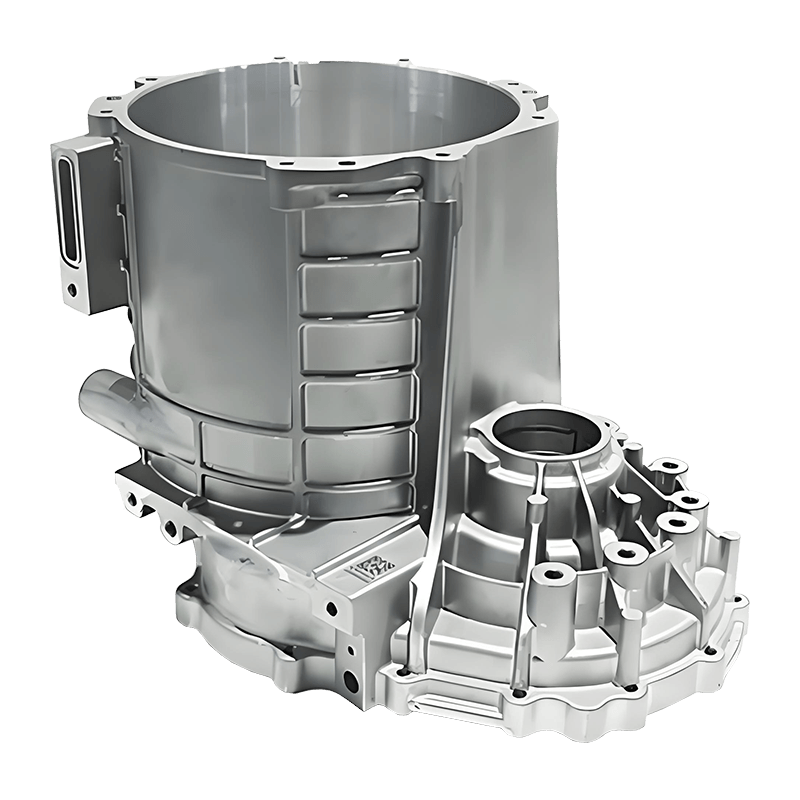
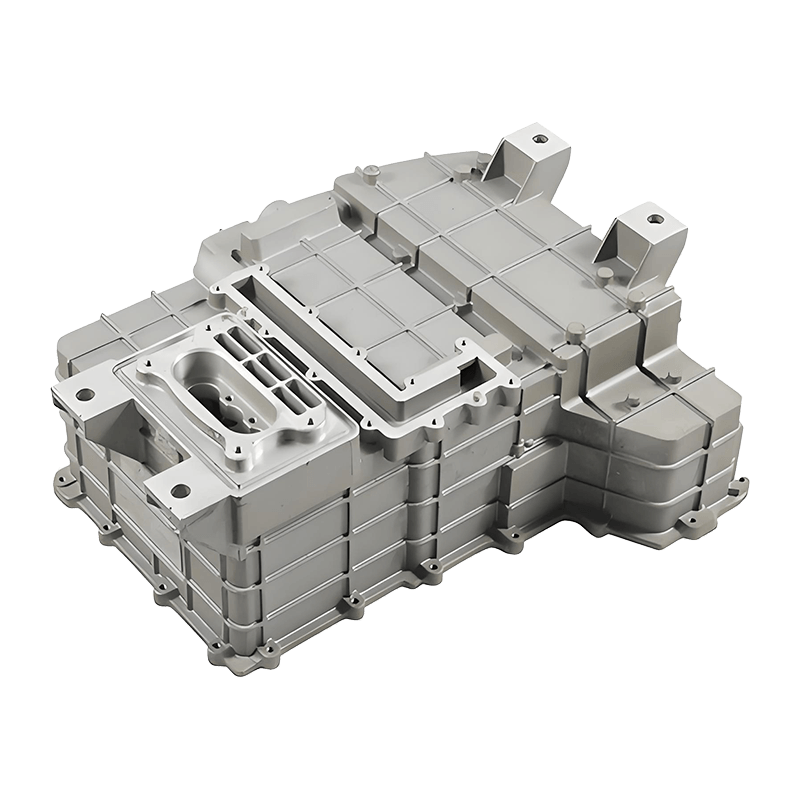
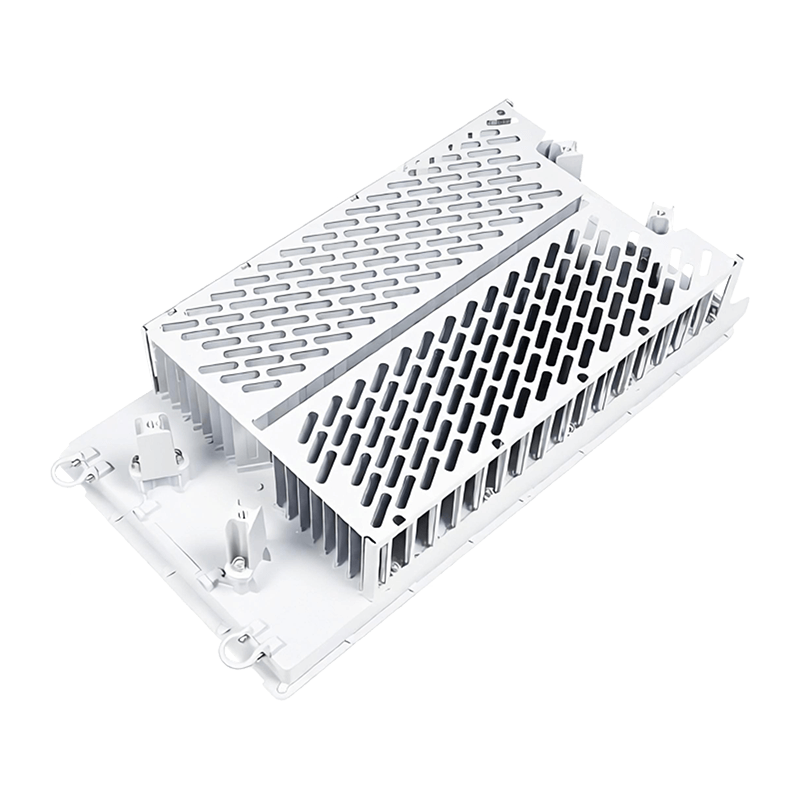
A die-cast battery tray is an aluminum alloy structural component produced by injecting molten metal into a precision mold. It supports and protects battery modules and may include integrated mounting, reinforcing, cooling, sealing, and vehicle-connection features.
Aluminum provides low density, useful strength, corrosion resistance, thermal conductivity, and good die-casting performance. These characteristics make it suitable for lightweight structural battery enclosures when the alloy and design are properly selected.
Die casting can combine ribs, bosses, brackets, mounting points, and structural sections into one casting or a smaller number of castings. This may reduce the need for separate stamped parts, extrusions, brackets, welding, and fasteners.
Yes. Critical mounting surfaces, bolt holes, locating features, and sealing interfaces can be machined after casting. The mold should include suitable machining allowances, and the production process should control casting distortion and surface condition before machining.
Mold-flow analysis helps engineers study filling behavior, flow balance, air-entrapment risks, weld lines, incomplete filling, and possible shrinkage areas. It supports better decisions regarding gates, runners, overflows, vents, and cooling design before the mold is manufactured.
The casting can provide accurate and stable sealing surfaces, cover interfaces, bolt locations, and joint transitions. Final sealing performance also depends on the cover, gasket, fasteners, sealant, vents, and cable interfaces, so the complete enclosure must be evaluated.
Ningbo Dinghong Mould Co., Ltd. has obtained ISO 9001 and IATF 16949 quality-management system certifications. These systems support standardized manufacturing, documented procedures, traceability, and continuous quality improvement.
The company manufactures products for automotive, new-energy, photovoltaic, telecommunications, household-appliance, electrical, motorcycle, pump and valve, fitness equipment, robotic, and other industrial applications.
Yes. The company’s capabilities cover mold design, mold manufacturing, die casting, finishing, and trade. This integrated structure allows tooling and casting requirements to be coordinated through one manufacturing partner.
Useful information includes the three-dimensional product model, drawings, alloy specification, annual volume, target delivery schedule, surface requirements, machining requirements, inspection standards, packaging expectations, and intended vehicle application. More complete information enables a more accurate technical and commercial evaluation.
Die casting can reduce part count and integrate structural features, while a welded enclosure may offer greater flexibility for low-volume or frequently changing designs. The most suitable process depends on production volume, geometry, tooling budget, structural requirements, and the desired assembly strategy.
Yes. After the mold and process have been validated, die casting can provide repeatable production and efficient cycle times. High-volume suitability depends on the mold design, machine capacity, automation, process control, inspection system, and customer requirements.
The battery tray is one of the most important structural components in a new-energy vehicle battery system. It carries and protects the battery modules while supporting sealing, thermal management, mounting, crash performance, and vehicle integration. Because the tray can represent approximately 20% to 30% of the battery system’s total weight, its design has a direct influence on vehicle efficiency and overall battery-pack performance.
Aluminum alloy die casting provides a strong solution for the development of lightweight, integrated, and repeatable battery trays. Compared with multi-piece fabrication, it can reduce part count, simplify assembly, improve dimensional consistency, and combine several structural functions into a single component. Its benefits are maximized when the product is designed together with the mold, casting process, machining plan, inspection system, and final assembly requirements.
Ningbo Dinghong Mould Co., Ltd. combines mold design, precision mold manufacturing, die casting, automated trimming, finishing, and quality management within one manufacturing organization. Its experience in automotive and aluminum alloy products, use of mold-flow analysis, modern machining and production equipment, ISO 9001 and IATF 16949 certifications, and international market support provide a practical foundation for battery tray projects.
For vehicle manufacturers, battery-system developers, and component purchasing teams, selecting an experienced integrated supplier can help reduce development risk and improve long-term production performance. With careful engineering cooperation, controlled tooling development, and disciplined manufacturing, die-cast aluminum battery trays can support the next generation of safer, lighter, and more efficient new-energy vehicles.
1. International Organization for Standardization. ISO 9001: Quality Management Systems—Requirements.
2. International Automotive Task Force. IATF 16949: Quality Management System Requirements for Automotive Production and Relevant Service Parts Organizations.
3. North American Die Casting Association. Product Specification Standards for Die Castings.
4. European Aluminium. Aluminium in Electric Vehicle Structures and Battery Enclosures.
5. Society of Automotive Engineers. Automotive Lightweight Design and Electric Vehicle Structural Applications.
6. American Foundry Society. Aluminum Alloy Casting and Die-Casting Process Principles.
7. Battery industry engineering literature on enclosure sealing, thermal management, structural integration, and electric-vehicle battery safety.

One large aluminum die casting can now replace what used to be 70 to 130 separately stamped and welded steel parts in a...
READ MOREMaterials & Manufacturing Yes, Aluminum Die Casting Parts are consistently lighter than Cast Iron Parts when engin...
READ MOREA mold quote for an aluminum die casting mold can swing by 30–50% for the same nominal part. The difference is rarely t...
READ MOREBefore a part ever reaches production, every buyer eventually asks the same question: should this component be injectio...
READ MORE

Sun Yuejun: +86-13806631860
Wang Shiyong: +86-15958891460 / 15058297768
Dove Yao: +86-18625086675


Copyright © Ningbo Dinghong Mould Co., Ltd. Rights Reserved. Custom Precision Die Casting Aluminum Alloy Parts Manufacturers
