
 English
 Español
 русский
 Français

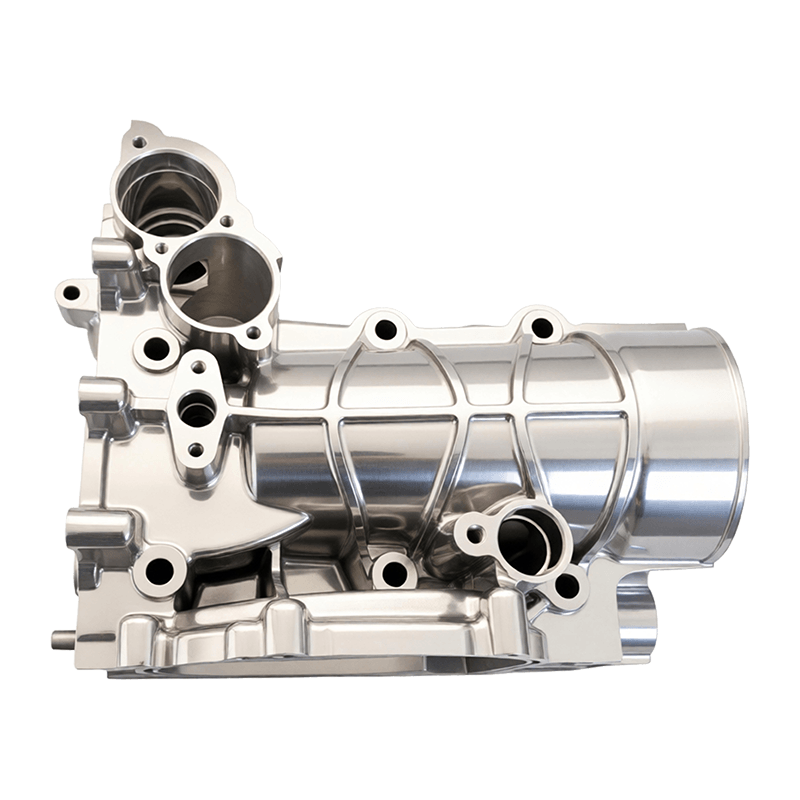
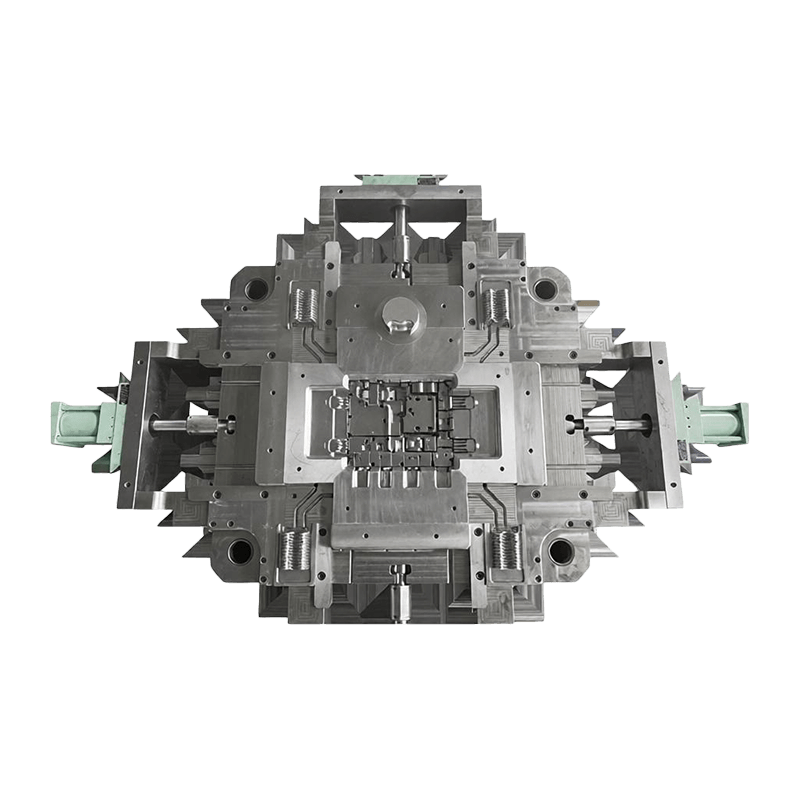
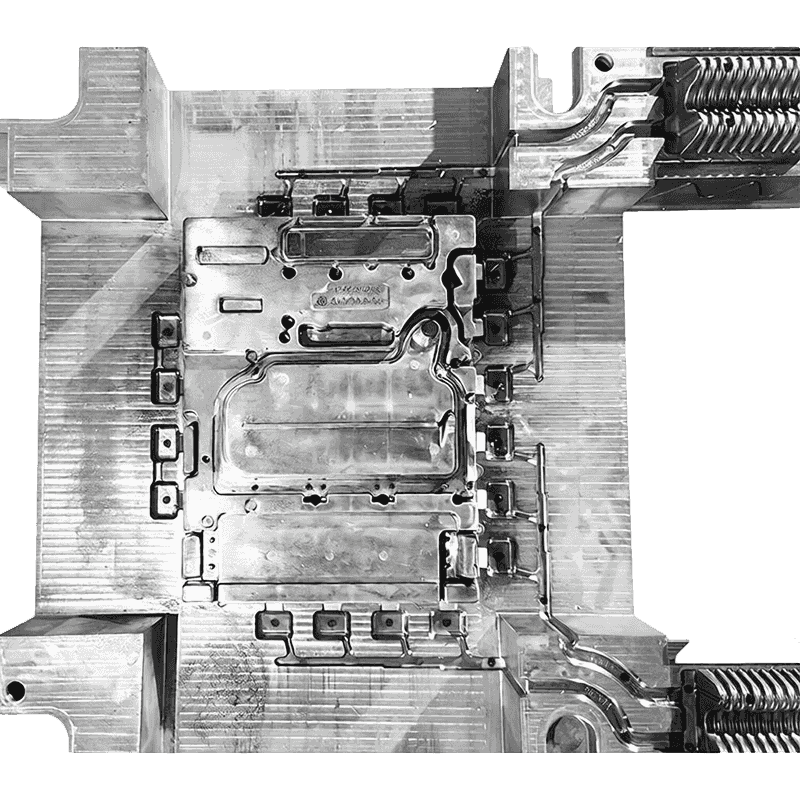
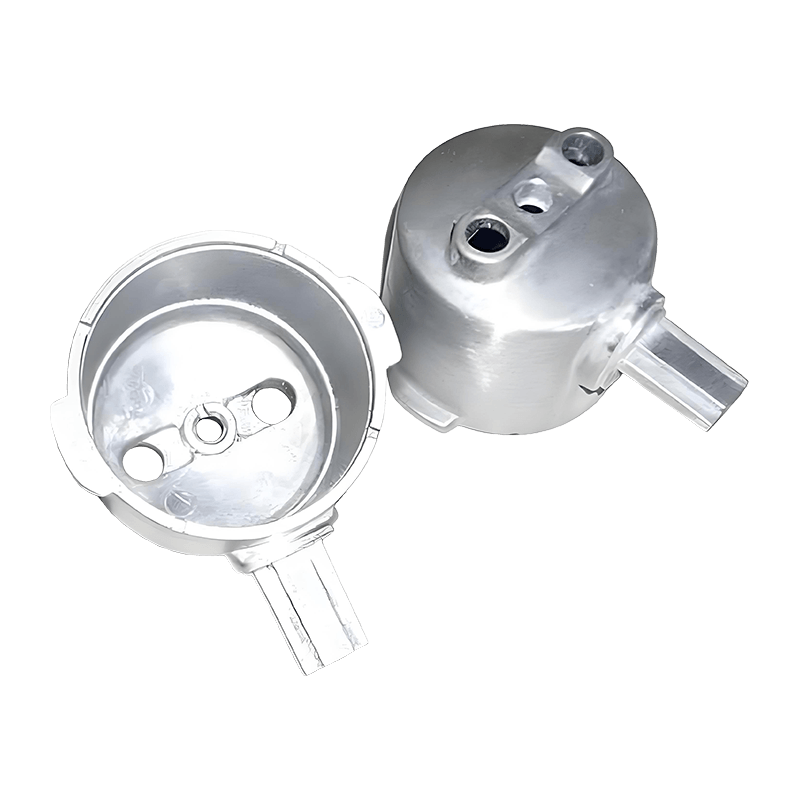
Die casting automotive parts are made by forcing molten metal into a steel mold under high pressure, where it fills t...
READ MORE
Content
In modern automotive engineering, the oil pan is much more than a simple reservoir mounted beneath the engine. It is a precision-engineered structural and sealing component that protects the lubricating oil, supports reliable oil circulation, contributes to noise control, and helps maintain the long-term performance of the powertrain. The T822 die casting automotive oil pan is designed to meet these demanding requirements through a combination of precision die casting, carefully controlled finishing, high-accuracy sealing surfaces, and a double-layer electrophoretic anti-rust coating.
As automotive manufacturers continue to pursue lighter vehicles, improved fuel efficiency, reduced emissions, and longer service intervals, aluminum alloy die casting has become an important manufacturing solution. Compared with conventional stamped steel or fabricated oil pans, a well-designed aluminum die casting can combine lower weight with excellent dimensional consistency, high rigidity, effective heat dissipation, and the ability to integrate complex mounting and reinforcement features into one component.
The T822 oil pan is manufactured for applications requiring dependable sealing, mechanical durability, and resistance to challenging underbody conditions. Its design and production approach are supported by integrated capabilities covering mold design, mold manufacturing, aluminum alloy die casting, automated trimming, surface finishing, inspection, and quality control. This integrated process helps improve consistency from the first mold-development stage through final delivery.
For vehicle manufacturers, Tier One suppliers, and industrial purchasing teams, selecting an oil pan is not only a matter of comparing dimensions or material prices. The supplier must also demonstrate process stability, engineering competence, mold-making experience, quality-system discipline, and the ability to support customization. The T822 product reflects these requirements by combining application-oriented design with a controlled manufacturing process intended for long-term automotive use.
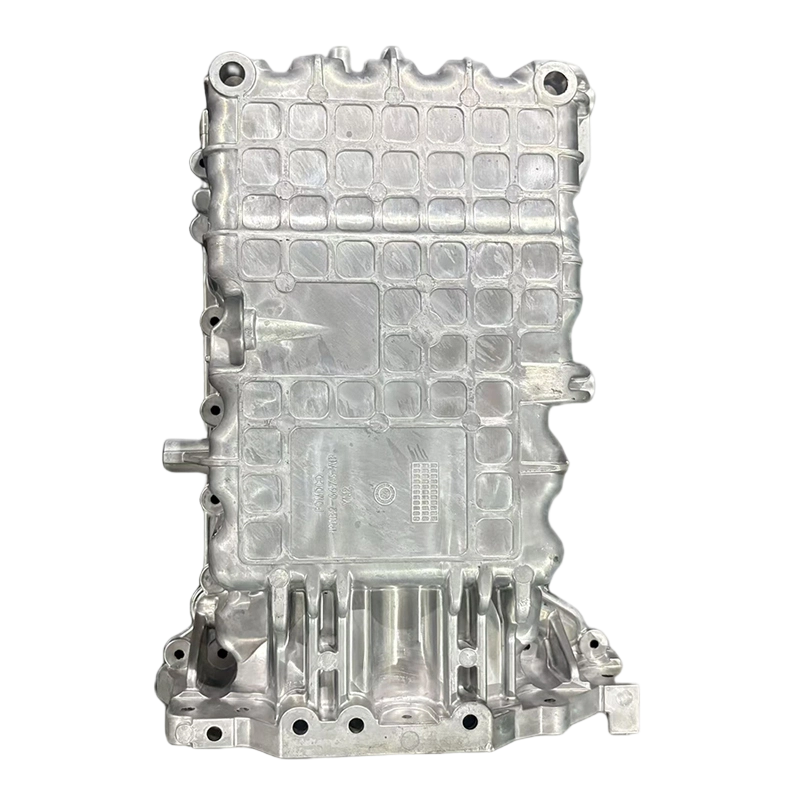
T822 Die casting Automotive Oil Pan
The engine oil pan is positioned in one of the most demanding areas of a vehicle. It is exposed to road debris, water, mud, salt, temperature changes, vibration, accidental impacts, and repeated cycles of heating and cooling. At the same time, it must retain oil without leakage while maintaining accurate alignment with the engine block, gasket, sealant, fasteners, and other adjacent parts.
Inside the oil pan, lubricating oil collects after circulating through the engine. The shape of the pan influences the available oil capacity, the movement of oil during acceleration and braking, and the ability of the oil pickup system to maintain a stable supply. External features may include mounting bosses, flanges, ribs, drain-plug areas, sensor openings, and other functional geometries. Each feature must be positioned accurately to support assembly and reliable operation.
A poor-quality oil pan can create several problems. Distorted sealing surfaces may cause oil leakage. Insufficient wall thickness can reduce impact resistance. Inconsistent casting quality may create porosity or weak areas. Poorly controlled mounting dimensions can complicate assembly. Inadequate surface protection may allow corrosion to develop, particularly in regions where vehicles are exposed to road salt or humid coastal environments.
The T822 design addresses these concerns with high-precision sealing surfaces and a durable protective finish. The component is intended to provide a stable interface with mating engine parts while resisting the environmental conditions commonly encountered beneath a vehicle. These characteristics make it suitable for automotive programs that place a high priority on reliability, production consistency, and service life.
The sealing flange is one of the most important areas of an oil pan. It must remain sufficiently flat and dimensionally stable to work with a gasket or approved sealing compound. Even a small deviation can create an uneven compression pattern, which may result in seepage or leakage over time.
Precision die casting provides a strong foundation for controlling the overall geometry of the oil pan. However, achieving a reliable sealing interface requires more than simply producing the casting. Mold accuracy, alloy control, process parameters, trimming, machining where required, and final inspection must all work together. The T822 product is manufactured with attention to these interconnected factors so that the sealing area can meet the required application tolerances.
A stable sealing surface also improves assembly efficiency. When mating dimensions are consistent, automated or semi-automated assembly equipment can operate with fewer adjustments. Fasteners can be tightened more uniformly, sealant application can be controlled more effectively, and the risk of rework can be reduced.
An oil pan is located close to the road surface and can experience impacts from stones and other debris. It may also be affected by contact with water, cleaning chemicals, mud, and salt. The material must therefore provide a practical balance of low weight, stiffness, impact resistance, and corrosion performance.
Aluminum alloy die casting is well suited to this type of component because it enables the production of a relatively complex shape with integrated ribs and mounting features. These features can increase rigidity without requiring excessive material. The result can be a component that is lighter than a comparable steel construction while still providing the structural performance required by the vehicle design.
Durability also depends on the quality of the casting and the uniformity of the surface treatment. The T822 oil pan uses a double-layer electrophoretic anti-rust coating to create a protective barrier. This coating approach is designed to improve corrosion resistance and support an extended service life under demanding operating conditions.
The T822 die casting automotive oil pan offers a combination of functional and manufacturing advantages. These benefits are particularly valuable for automotive customers that need a component capable of meeting both performance expectations and high-volume production requirements.
The product features high-precision sealing surfaces designed to support dependable connection with the engine assembly. A precisely controlled flange helps maintain even gasket compression or sealant contact, reducing the likelihood of leakage caused by dimensional variation.
Precision in this area also contributes to easier installation. The component can be positioned more accurately during assembly, and the consistent flange geometry helps reduce the need for manual correction. For high-volume vehicle production, these improvements can support faster line operation and lower quality-related interruptions.
Sealing performance is influenced by many factors, including flatness, surface finish, hole position, flange width, fastener spacing, and the relationship between the oil pan and its mating components. A manufacturing program that monitors these elements together is more effective than one that checks only the finished outside appearance.
The double-layer electrophoretic anti-rust coating is one of the product’s notable advantages. Electrophoretic coating, often called e-coating, uses an electrically assisted process to distribute coating material over the conductive metal surface. The method can provide relatively uniform coverage, including on complex areas that may be difficult to coat consistently with conventional spray methods.
A double-layer system can provide additional protection compared with a single protective layer. It is intended to improve resistance against moisture and corrosive contaminants while helping the surface maintain its protective function during extended service. This is particularly important for an oil pan because the part operates in an exposed underbody environment.
The coating also supports a more consistent appearance and can help protect the casting from the beginning of its service life. Appropriate pretreatment, coating control, curing, and inspection remain important to achieve the desired result. The value of the coating is therefore connected to the complete finishing process, not merely the number of layers applied.
Aluminum alloy offers a useful combination of low density, thermal conductivity, corrosion resistance, and castability. Through high-pressure die casting, aluminum alloy can fill a complex mold cavity rapidly and form integrated details that may otherwise require several fabrication steps.
For an oil pan, this capability makes it possible to incorporate mounting points, reinforcing ribs, bosses, curved walls, and other features into a single component. Reducing the number of separate pieces can simplify assembly and reduce the number of potential leak paths.
The lower density of aluminum compared with steel can contribute to vehicle weight reduction. Although the exact weight advantage depends on the design, wall thickness, reinforcement strategy, and vehicle application, a properly engineered aluminum oil pan can support broader lightweighting objectives without sacrificing functional performance.
Automotive customers require components that remain consistent across production batches. Dimensional repeatability is essential for assembly compatibility, sealing, noise control, and downstream inspection. It also allows customers to develop reliable process settings and reduce the risk of unexpected variation during vehicle production.
Repeatability begins with the mold. A precision mold with suitable gating, overflow, venting, cooling, and ejection design can promote stable filling and solidification. It continues through die-casting machine control, trimming, machining, surface treatment, and final inspection. The T822 product benefits from a manufacturing system that covers these stages in an integrated manner.
Die casting is capable of forming multiple functional details within one part. The T822 oil pan can be developed with application-specific features such as mounting bosses, reinforcement areas, drain or service points, and interfaces for related components, subject to customer drawings and technical requirements.
Integrating these features can reduce the number of separate parts and joining operations. It may also reduce assembly time, simplify inventory management, and improve overall part consistency. For vehicle platforms with limited underbody space, the ability to produce a complex but compact geometry is especially useful.
Different oil pan manufacturing methods may be suitable for different vehicle programs. Stamped steel, welded assemblies, gravity casting, low-pressure casting, and high-pressure die casting each have their own benefits. The most appropriate solution depends on production volume, structural requirements, packaging limitations, cost targets, and corrosion specifications.
| Evaluation Factor | Die Cast Aluminum Oil Pan | Stamped Steel Oil Pan | Welded Multi-Piece Construction |
|---|---|---|---|
| Weight reduction potential | High, depending on design and alloy | Moderate | Moderate to low |
| Complex integrated geometry | Very suitable | Limited by forming operations | Possible, but requires multiple components |
| Mounting and rib integration | Can be incorporated into the casting | Usually requires additional forming or parts | Often requires separate welded features |
| Dimensional repeatability | High with stable tooling and process control | High, but affected by forming springback | Dependent on welding and fixture control |
| Potential leak paths | Fewer piece-to-piece joints | Low for one-piece designs | Higher where welds and joints are used |
| Surface protection | Can use electrophoretic coating and other finishes | Requires suitable corrosion protection | Weld areas require careful treatment |
| Suitability for lightweight automotive design | Strong | Moderate | Application dependent |
Compared with a stamped steel oil pan, aluminum die casting can offer greater freedom to develop three-dimensional reinforcement and mounting features. It can also reduce the need for separate brackets or welded components. Compared with a welded assembly, a one-piece casting can reduce joint-related variation and simplify the path from raw material to finished component.
However, die casting requires a carefully engineered mold and a disciplined process. Tooling investment, casting simulation, thermal management, and process optimization are important considerations. The greatest benefits are generally achieved when the part is designed for die casting from the beginning rather than converted from a fabrication concept without modification.
The manufacturing strength behind the T822 oil pan is therefore not limited to the casting machine. It includes mold-flow evaluation, tooling design, machining capability, automated trimming, surface treatment, and quality inspection. This complete approach helps the product compete effectively with alternative constructions in applications where weight, precision, durability, and production efficiency must be considered together.
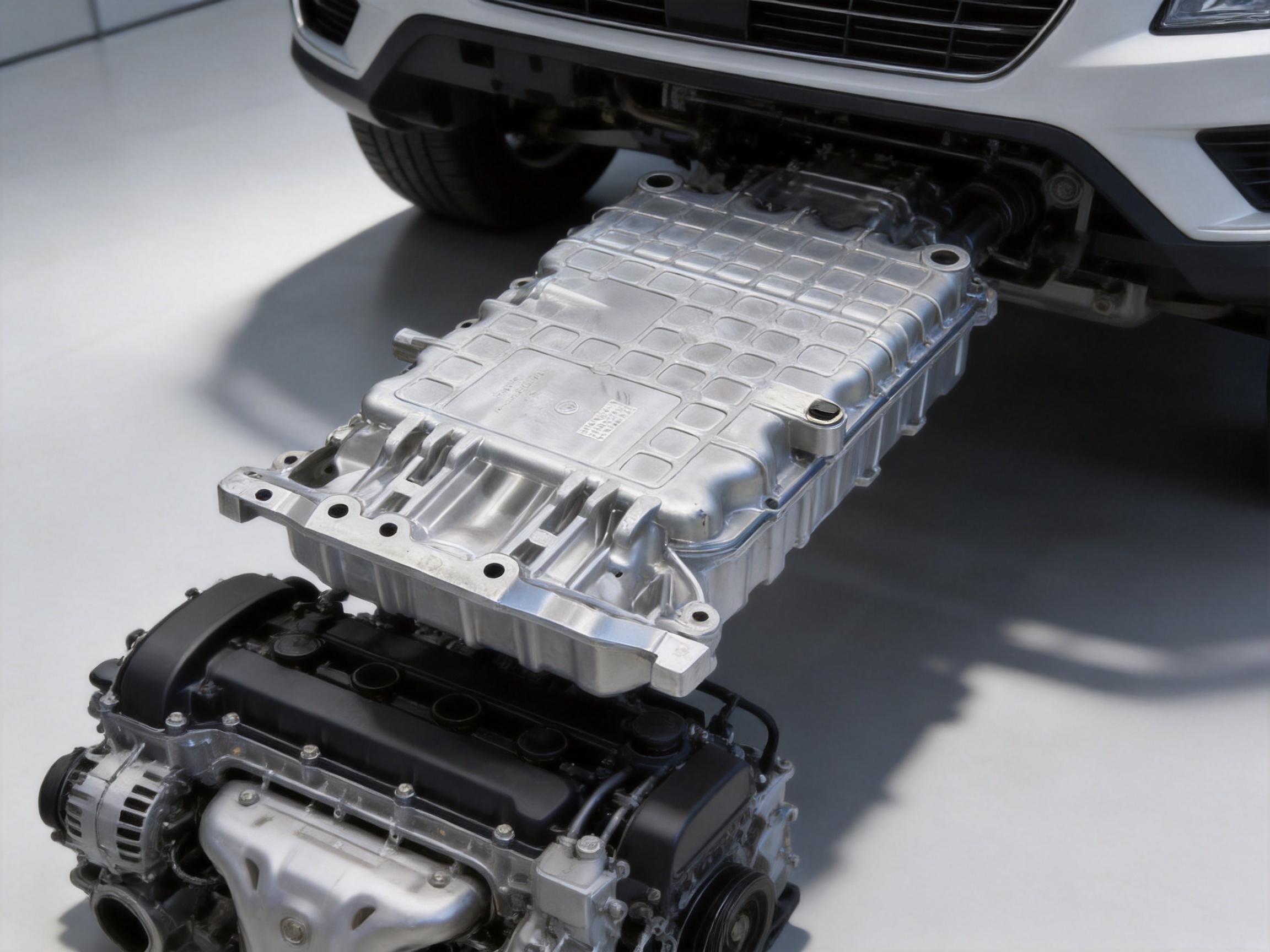
The mold is the foundation of every die-cast component. Its design determines how molten aluminum enters the cavity, how air escapes, how the metal solidifies, how shrinkage is managed, and how the finished part is removed. A mold that is not properly engineered can create filling defects, dimensional instability, premature tool wear, or difficult trimming conditions.
The manufacturing team supporting the T822 product uses advanced design software and mold-flow analysis to study the proposed mold before production. Mold-flow analysis allows engineers to visualize the filling process, identify potential air entrapment, evaluate temperature distribution, and assess solidification behavior. This information can be used to optimize gating, overflow, venting, cooling channels, and other mold features.
Oil pans often contain broad surfaces, varying wall thicknesses, deep sections, bosses, and sealing flanges. These features can create different filling and cooling conditions within the same casting. Simulation helps engineers evaluate these conditions before steel is cut.
By analyzing the predicted flow pattern, the design team can work to reduce turbulence and minimize areas where air may become trapped. By reviewing solidification behavior, engineers can identify regions that may require improved feeding, modified thickness, altered cooling, or a change in process parameters. The purpose is not simply to create a visually acceptable casting, but to establish a more reliable process window.
Early analysis can also reduce development risk. Mold modifications after trial production may require additional time and cost, particularly when large tooling changes are needed. A simulation-led approach provides a method for addressing likely problems during the design stage, when changes are easier to implement.
Once the design has been verified, mold manufacturing requires high-accuracy machining and careful assembly. The company’s facility includes CNC machining centers and electrical discharge machining equipment to produce complex mold details and maintain the required dimensional relationships.
CNC machining is used for precise cutting of mold components, cavity surfaces, inserts, and functional features. EDM can produce intricate details, narrow slots, sharp internal geometries, and areas that are difficult to reach with conventional cutting tools. The combined use of these technologies helps support the production of molds for complex aluminum alloy components.
Mold assembly and trial fitting are also important. Even when individual components are machined accurately, the complete mold must be checked for alignment, parting-line condition, ejection movement, cooling performance, and maintenance accessibility. A well-assembled mold contributes to stable production and helps protect the quality of the casting over its operating life.
A production mold must do more than create the initial sample. It must remain maintainable over repeated cycles. Replaceable inserts, accessible wear areas, practical cooling layouts, and suitable ejection components can make a significant difference to long-term productivity.
Tooling engineers must also consider how flash will be controlled, how the casting will be removed, and how trimming operations will interact with the mold design. The objective is to create a complete production system in which the mold, die-casting machine, trimming equipment, and inspection process work together.
The die-casting process for an automotive oil pan begins with controlled alloy preparation and continues through injection, solidification, ejection, trimming, finishing, coating, and inspection. Each stage can influence the final performance of the product.
Aluminum alloy composition must be controlled to support the required balance of castability, strength, corrosion resistance, and thermal performance. Material handling, melting, temperature control, and cleanliness are important because inclusions or unstable melt conditions can affect casting quality.
Consistent alloy preparation supports repeatable filling and solidification. It also helps the production team maintain a stable relationship between machine settings and finished-part performance. For automotive components, material traceability and process records are valuable tools for quality management and customer confidence.
Before production begins, the mold must be brought to an appropriate operating condition. Mold temperature affects metal flow, surface quality, filling behavior, and cycle stability. Die-casting machine settings, including injection speed, pressure, timing, and holding conditions, must be established in relation to the mold design and alloy characteristics.
Process setup may include verification of lubrication, cooling circuits, ejector operation, safety interlocks, and automated handling equipment. A controlled setup reduces variation between cycles and helps ensure that the casting develops consistently across the production run.
During high-pressure die casting, molten aluminum is injected into the steel mold at high speed. The metal fills the cavity and reproduces the designed geometry, including ribs, bosses, flanges, and other features. Pressure is maintained as the metal solidifies to help reduce shrinkage-related issues and improve feature definition.
Proper control of injection speed is essential. If the speed is too low, premature solidification may prevent complete filling. If it is too high or poorly balanced, turbulence can increase and air may become trapped. The mold-flow study and process trials help establish suitable settings for the T822 oil pan.
Cooling must also be managed carefully. Uneven cooling can contribute to distortion or residual stress, which may affect the sealing surface. The mold’s cooling layout and production parameters are therefore designed to support stable solidification and dimensional control.
After solidification, the casting is ejected from the mold. The ejection system must apply force in a controlled manner so that the component is removed without damaging thin walls, bosses, or sealing areas. The casting then proceeds to trimming, where gates, runners, overflow material, and flash are removed.
The company operates automated trimming lines to improve consistency and productivity. Automated trimming can reduce manual variation, support a repeatable edge condition, and improve worker safety. It also helps maintain a predictable transition between the casting stage and subsequent machining or surface-treatment operations.
Some oil pan applications require machining of sealing surfaces, threaded holes, mounting interfaces, sensor locations, or other critical features. Machining must be carried out with suitable fixtures and reference points so that the finished dimensions remain aligned with the casting geometry.
Fixtures are especially important for sealing surfaces. If the component is not supported correctly, machining may introduce variation rather than remove it. A stable fixture and controlled cutting process help achieve the required flatness, position, and surface finish.
Secondary operations may also include deburring, cleaning, leak testing, dimensional verification, and preparation for coating. Each operation should be defined according to the customer’s drawing, technical specification, and application requirements.
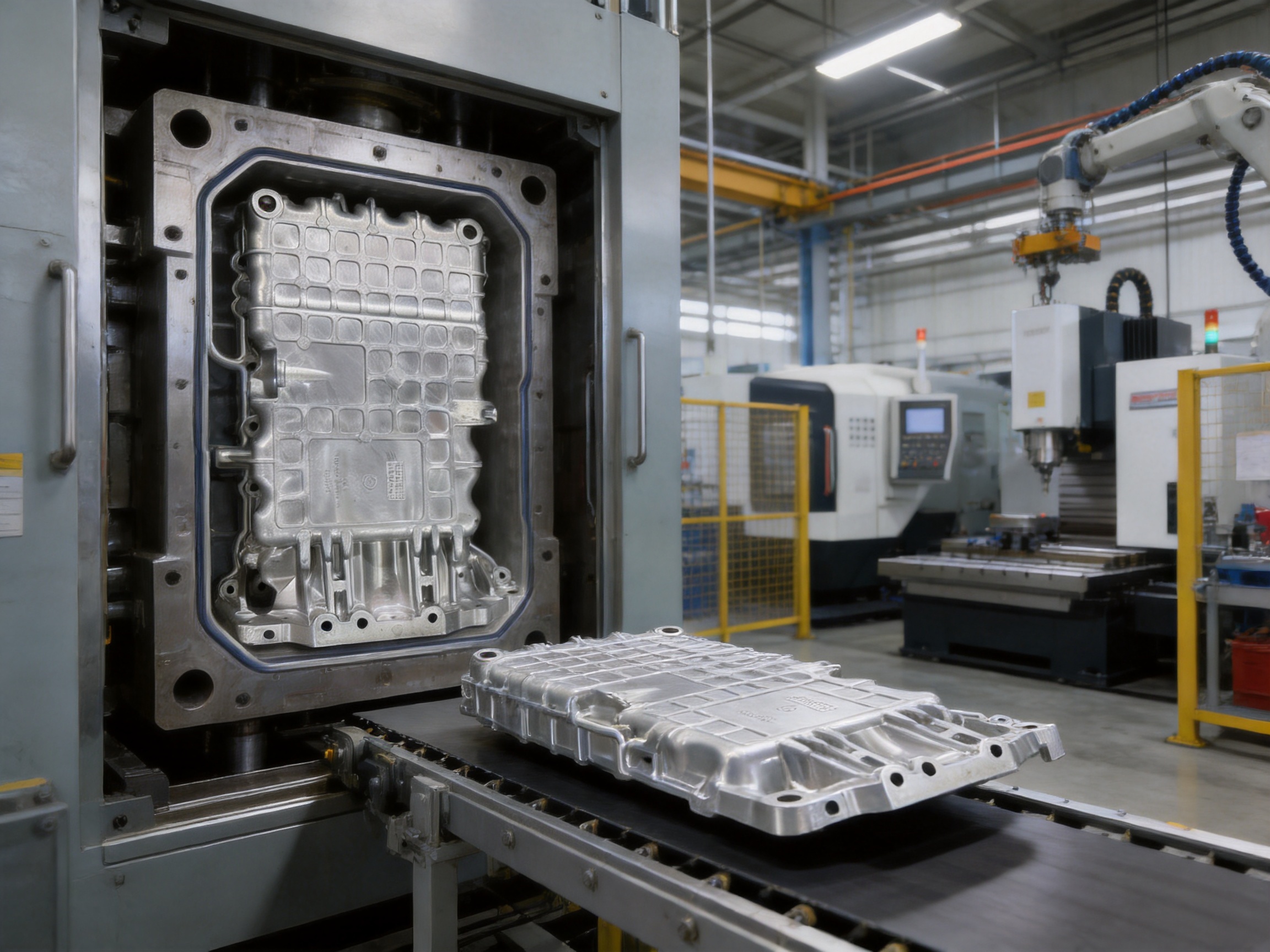
Corrosion protection is a central consideration for an underbody component. Even aluminum alloy parts can be affected by galvanic interaction, surface contamination, road salt, moisture, and repeated exposure to changing temperatures. A coating system provides an additional barrier between the metal surface and the surrounding environment.
Electrophoretic coating uses an electrical field to attract coating particles to a conductive workpiece. The process can provide relatively even deposition over the component’s accessible surfaces and complex contours. After deposition, the coating is cured to form a continuous protective film.
For an oil pan, uniformity is valuable because the part may contain ribs, recesses, bosses, and corners where conventional application methods can produce uneven coverage. Proper pretreatment is essential. The surface must be cleaned and conditioned so that the coating can adhere effectively and provide reliable protection.
The T822 product is equipped with a double-layer electrophoretic anti-rust coating. The two-layer structure is intended to improve the protective barrier and enhance resistance to moisture and corrosive exposure. It can also help provide a more consistent finished surface when the process is properly controlled.
A coating system should be evaluated in combination with the base material, part geometry, pretreatment, curing conditions, and intended environment. The double-layer approach provides an additional level of protection, but it remains important to avoid coating damage during handling, assembly, or transportation.
Coating thickness, adhesion, appearance, coverage, and curing should be monitored according to applicable customer specifications. Where required, additional validation may include salt-spray testing, humidity exposure, cyclic corrosion testing, cross-cut adhesion testing, or other application-specific evaluations.
Improved corrosion resistance can support longer service life and help maintain the appearance and function of the oil pan. A protected sealing flange is less likely to develop corrosion-related surface irregularities. Protected mounting areas are also better positioned to retain their dimensions and support reliable assembly over time.
For vehicle programs operating in coastal areas, winter climates, or regions with frequent rainfall, corrosion protection is especially important. The double-layer coating gives customers an additional option for meeting environmental durability objectives while retaining the advantages of aluminum die casting.
Automotive quality depends on prevention as much as detection. Inspection of the finished part is necessary, but a strong manufacturing system also controls the process that creates the part. The company’s quality activities are supported by ISO 9001 and IATF 16949 quality management system certifications, which provide a structured framework for documented procedures, corrective action, traceability, and continual improvement.
Dimensional inspection can include checking the overall profile, mounting-hole position, flange flatness, wall thickness, boss dimensions, critical datums, and machined interfaces. Measuring equipment and inspection methods should be selected according to the tolerance and function of each feature.
Critical dimensions should be monitored during initial approval, process validation, routine production, and any significant tooling or process change. This approach helps identify trends before they become nonconformities.
Visual inspection can identify flash, cracks, deformation, incomplete filling, surface damage, coating defects, and other visible conditions. Depending on the application, additional non-destructive testing may be used to evaluate internal quality or identify potential leakage paths.
Oil pans may also undergo leak testing to verify the integrity of the casting and finished interfaces. The test method and acceptance criteria should reflect the customer’s technical requirements and the operating conditions of the engine system.
The electrophoretic coating should be inspected for coverage, adhesion, thickness, curing, and visible defects. Areas around mounting points, sharp transitions, recesses, and sealing interfaces deserve particular attention because geometry can influence coating behavior.
Quality records provide evidence that the coating process is operating within the defined requirements. They also help the manufacturing team investigate trends and implement corrective action when necessary.
IATF 16949 is widely recognized within the automotive supply chain because it emphasizes risk-based thinking, customer-specific requirements, process control, product safety, and continual improvement. A supplier operating under this type of system is better positioned to support formal automotive development and production programs.
For customers, quality-system discipline can simplify supplier evaluation and reduce the risk associated with launching a new part. It also supports clearer communication regarding drawings, inspection plans, process changes, nonconforming products, and corrective actions.
The production of a precision oil pan requires coordinated capabilities rather than a single isolated operation. The manufacturing facility supporting the T822 product includes mold design, mold manufacturing, CNC machining, EDM, die-casting machines, automated trimming lines, finishing operations, and testing equipment.
Having these capabilities within one manufacturing organization can improve project communication. Design engineers can communicate directly with mold makers. Tooling teams can review casting behavior with production personnel. Quality engineers can coordinate inspection requirements with machining and coating departments. This integration can shorten response time when a design adjustment or process improvement is required.
The company has approximately 15,000 square meters of plant space and has developed from an earlier mold-making operation into a modern manufacturing enterprise. Its experience includes the production of automotive parts, household appliance components, telecommunication products, and other aluminum alloy products. This cross-industry experience can support the development of practical solutions for different geometry, performance, and production-volume requirements.
Experience in mold design is particularly important for automotive oil pans because the tooling must balance part performance, cycle time, tool life, manufacturability, and cost. A mold that produces a good sample but requires frequent maintenance may not be suitable for continuous production. Engineering decisions must therefore consider the complete life cycle of the program.
Automotive oil pans are often developed for a specific engine, transmission, vehicle platform, or installation environment. Even when two products appear similar, their mounting positions, oil capacity, flange configuration, sensor interfaces, and underbody clearances may be different. A capable supplier must be able to adapt the design and manufacturing process to the customer’s technical information.
Customer drawings, three-dimensional models, material specifications, coating requirements, inspection standards, and packaging instructions should be reviewed before tooling begins. The technical review should identify critical-to-function characteristics and any areas that may require special manufacturing attention.
Design-for-manufacturing feedback can help improve the final product. Engineers may recommend changes to wall transitions, draft angles, rib geometry, boss design, machining allowances, or parting-line locations. These recommendations are intended to support reliable casting while maintaining the customer’s functional objectives.
Before mass production, customers may require prototype samples, trial castings, dimensional reports, material data, coating verification, leak-test results, and process capability studies. A structured validation stage provides an opportunity to confirm the fit, function, appearance, and durability of the oil pan.
Trial production can also reveal opportunities for improvement. The mold, trimming method, machining fixture, and coating process may be adjusted based on measured results. The goal is to enter serial production with a stable and documented process.
The company serves customers in China, South America, Southeast Asia, and other international markets, with plans to expand further into Europe and additional regions. International supply requires attention to packaging, documentation, delivery planning, product identification, and communication across time zones and languages.
For overseas automotive customers, reliable export support is part of supplier performance. A technically sound component must also be delivered in suitable packaging, with consistent labeling and complete quality documentation. These supporting activities help protect the product from shipping damage and facilitate customer receiving and traceability.
The T822 oil pan is categorized as a die casting fuel and automotive part and is intended for automotive applications requiring precision aluminum alloy components. Its key characteristics are relevant to passenger vehicles, commercial vehicles, new-energy vehicles, and other transportation equipment where an oil-pan-type enclosure or fluid-retention component is required.
In traditional internal-combustion vehicles, the oil pan forms part of the engine lubrication system. In hybrid vehicles, the packaging and thermal requirements may be more complex because the engine must operate alongside electric-drive components. In specialized powertrain applications, the component may need to accommodate additional sensors, structural features, or thermal-management requirements.
The same manufacturing strengths can also be applied to related components in the automotive, electrical, photovoltaic, telecommunications, motorcycle, pump and valve, fitness-equipment, and robotics industries. Although each application requires its own engineering review, the underlying capabilities of mold-flow analysis, precision tooling, aluminum die casting, finishing, and inspection remain valuable across sectors.
Purchasing a die-cast oil pan from an experienced supplier involves more than selecting a part number. The supplier’s engineering depth can influence tooling development time, sample quality, mass-production stability, and response to future design changes.
A supplier with mold-making capability can understand the relationship between product design and tooling performance. A supplier with die-casting experience can select practical process settings and identify potential casting risks. A supplier with machining and coating capability can coordinate secondary operations instead of relying on disconnected subcontracting arrangements.
Integrated manufacturing can also improve accountability. When the same organization manages the mold, casting, trimming, finishing, and inspection stages, it can more easily trace the source of variation and assign corrective actions. This does not eliminate the need for supplier management, but it can simplify communication and improve development efficiency.
The company’s history, beginning with Yuejin Mould in 1998 and followed by the establishment of Ningbo Dinghong Mould Co., Ltd. in 2013, reflects long-term involvement in mold and die-casting manufacturing. Its location in Beilun District, Ningbo, near Beilun Port, provides access to an important industrial and logistics area for domestic and international supply.
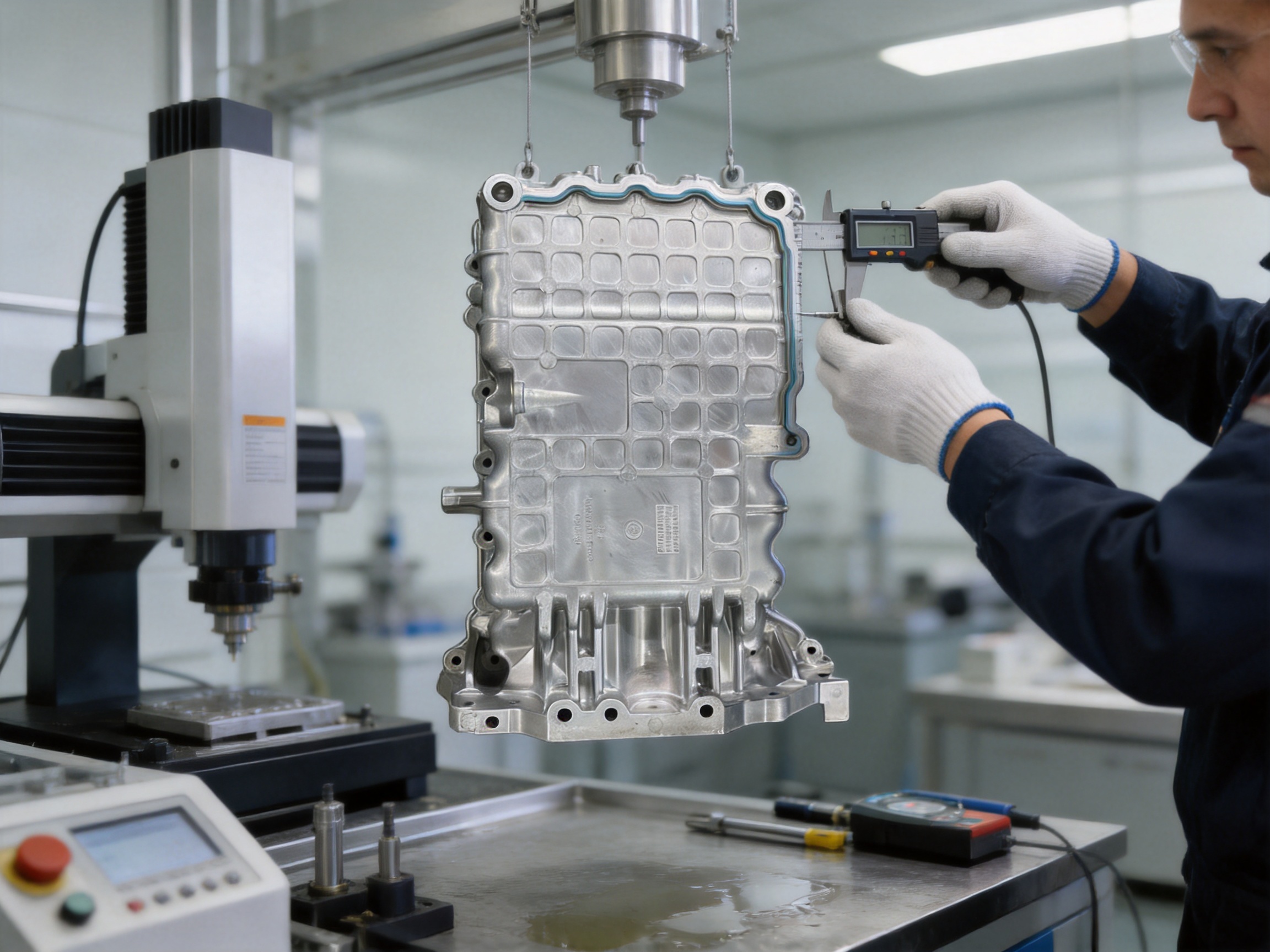
The product is an aluminum alloy die-casting component. The specific alloy grade should be confirmed according to the customer’s drawing, application requirements, mechanical-property targets, corrosion conditions, and validation standards.
Die casting allows complex geometry, reinforcement ribs, mounting bosses, and other functional features to be integrated into a single aluminum alloy component. It can also support weight reduction, dimensional repeatability, efficient high-volume production, and fewer joints compared with a multi-piece fabricated assembly.
The T822 oil pan features high-precision sealing surfaces designed to support even gasket compression or sealant contact. Reliable leakage prevention also depends on the mating engine components, fastener torque, sealing material, assembly process, and application-specific validation.
The double-layer electrophoretic anti-rust coating is intended to improve corrosion resistance by creating a protective barrier over the aluminum alloy surface. It is especially useful for a component exposed to moisture, road contaminants, salt, and changing temperatures beneath a vehicle.
Automotive oil pans can generally be developed according to customer drawings, three-dimensional models, material requirements, coating specifications, mounting conditions, and performance targets. Customization should be reviewed by the engineering team before tooling begins to confirm manufacturability and validation requirements.
Yes. The manufacturing capability includes mold design and mold manufacturing, supported by CNC machining centers, EDM equipment, mold-flow analysis, and trial-production procedures. This allows the tooling and casting processes to be developed as a coordinated system.
Quality control may include alloy and process monitoring, mold-flow analysis, visual inspection, dimensional inspection, trimming checks, machining verification, leak testing, coating inspection, and documentation under ISO 9001 and IATF 16949 quality-management systems. The exact inspection plan is normally established according to the customer’s requirements.
The manufacturer serves domestic and international markets, including customers in South America, Southeast Asia, and other regions. Export projects can be supported through production coordination, quality documentation, packaging, product identification, and delivery planning.
Useful information includes the product drawing or three-dimensional model, annual volume, prototype quantity, material requirement, surface-treatment specification, critical dimensions, leak-test standard, packaging requirements, target market, and delivery schedule. Providing complete information helps the engineering team prepare a more accurate proposal.
Validation should reflect the vehicle’s operating environment and customer standards. Common evaluations may include coating thickness, adhesion, appearance, humidity exposure, salt-spray testing, cyclic corrosion testing, and inspection after mechanical or assembly testing. The appropriate program should be agreed upon before mass production.
The T822 die casting automotive oil pan is designed to address the essential requirements of a modern underbody powertrain component: dependable sealing, mechanical durability, corrosion resistance, dimensional consistency, and efficient production. Its high-precision sealing surfaces help support reliable engine assembly, while the double-layer electrophoretic anti-rust coating provides enhanced protection in demanding environmental conditions.
The use of aluminum alloy die casting offers additional advantages in weight reduction, geometric integration, heat dissipation, and production repeatability. Features that might require multiple operations in a fabricated design can be incorporated into a single casting, helping reduce assembly complexity and potential joint-related variation.
The product’s competitiveness is strengthened by the manufacturing capabilities behind it. Mold-flow analysis, precision mold manufacturing, CNC machining, EDM, controlled die casting, automated trimming, finishing, and quality inspection are combined within an integrated production system. This approach supports both technical performance and practical mass-production requirements.
For automotive manufacturers and component suppliers, the value of an oil pan is determined by the complete chain from engineering review to field performance. A reliable supplier must understand tooling, casting, machining, coating, inspection, documentation, and customer communication. With its experience in mold manufacturing and aluminum alloy die casting, its certified quality systems, and its international market experience, the manufacturing organization behind the T822 product is positioned to support demanding automotive programs.
When properly matched to the vehicle application and validated against the customer’s technical standards, the T822 oil pan can provide a durable, precise, and corrosion-resistant solution for modern automotive manufacturing. Its combination of product performance and process capability makes it a strong option for customers seeking dependable aluminum alloy die-casting components.
1. International Organization for Standardization. ISO 9001: Quality Management Systems — Requirements.
2. International Automotive Task Force. IATF 16949: Quality Management System Requirements for Automotive Production and Relevant Service Parts Organizations.
3. American Foundry Society. Die Casting Engineering and Production Principles.
4. North American Die Casting Association. Die Casting Design and Process Guidelines.
5. European Aluminium. Aluminum Casting Design and Material Considerations for Automotive Components.
6. Society of Automotive Engineers. Automotive Powertrain Component Design and Validation Practices.
7. Aluminum Association. Aluminum Properties, Alloy Selection, and Corrosion-Protection Principles.
8. General automotive manufacturing references concerning electrophoretic coating, dimensional inspection, leak testing, and corrosion validation.

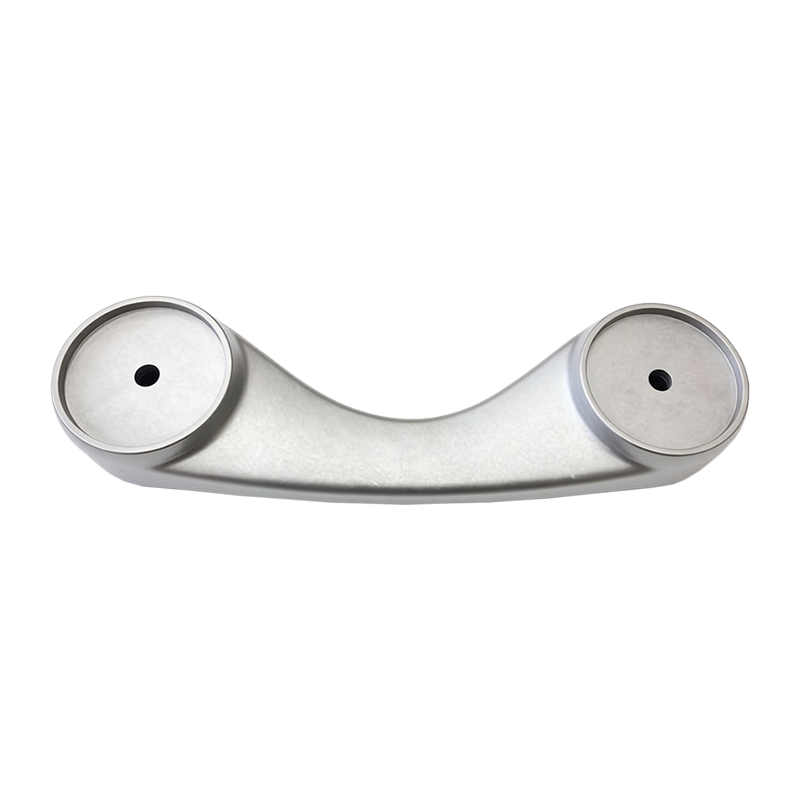
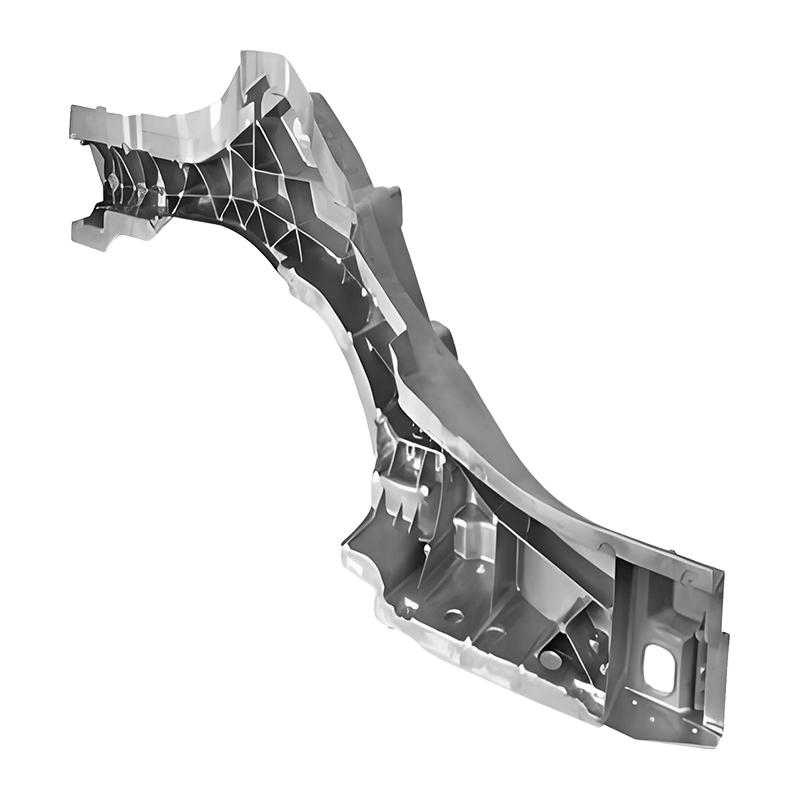
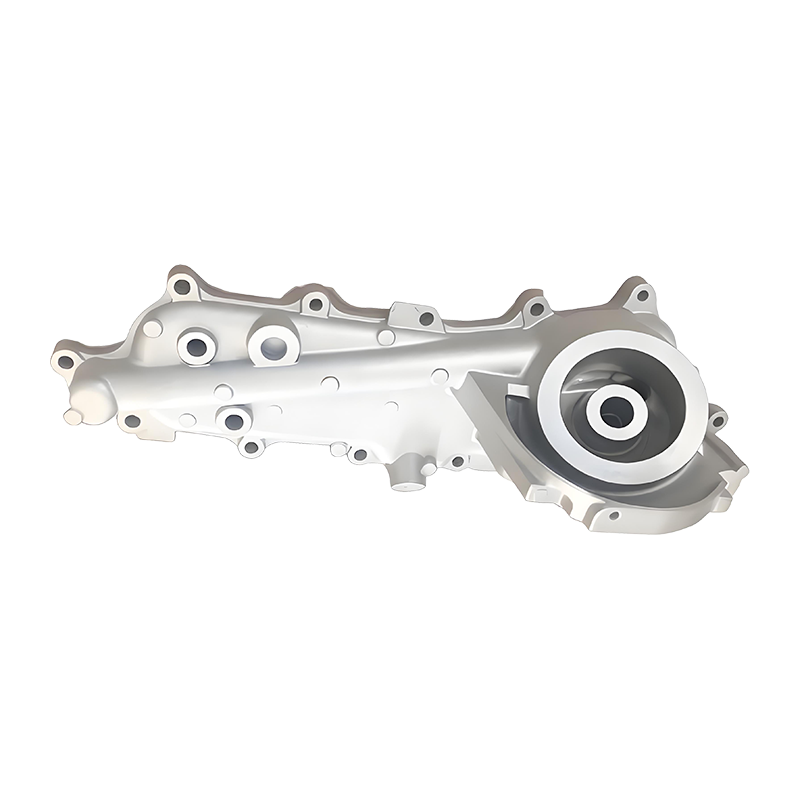
Die casting automotive parts are made by forcing molten metal into a steel mold under high pressure, where it fills t...
READ MORETwo quotations for the same aluminum controller housing can differ by 20% or more, even when both suppliers list the sa...
READ MORETwo aluminum housings reach the same leak-test bench on the same afternoon. Both meet the drawing, both weigh close to ...
READ MOREA 12-week die casting mold build can look competitive on quote and still become the expensive option if the first trial...
READ MORE

Sun Yuejun: +86-13806631860
Wang Shiyong: +86-15958891460 / 15058297768
Dove Yao: +86-18625086675


Copyright © Ningbo Dinghong Mould Co., Ltd. Rights Reserved. Custom Precision Die Casting Aluminum Alloy Parts Manufacturers
