
 English
 Español
 русский
 Français

The casting simulation process has become an integral part of the fast-paced development process. In this case, the dev...
READ MORE
Content
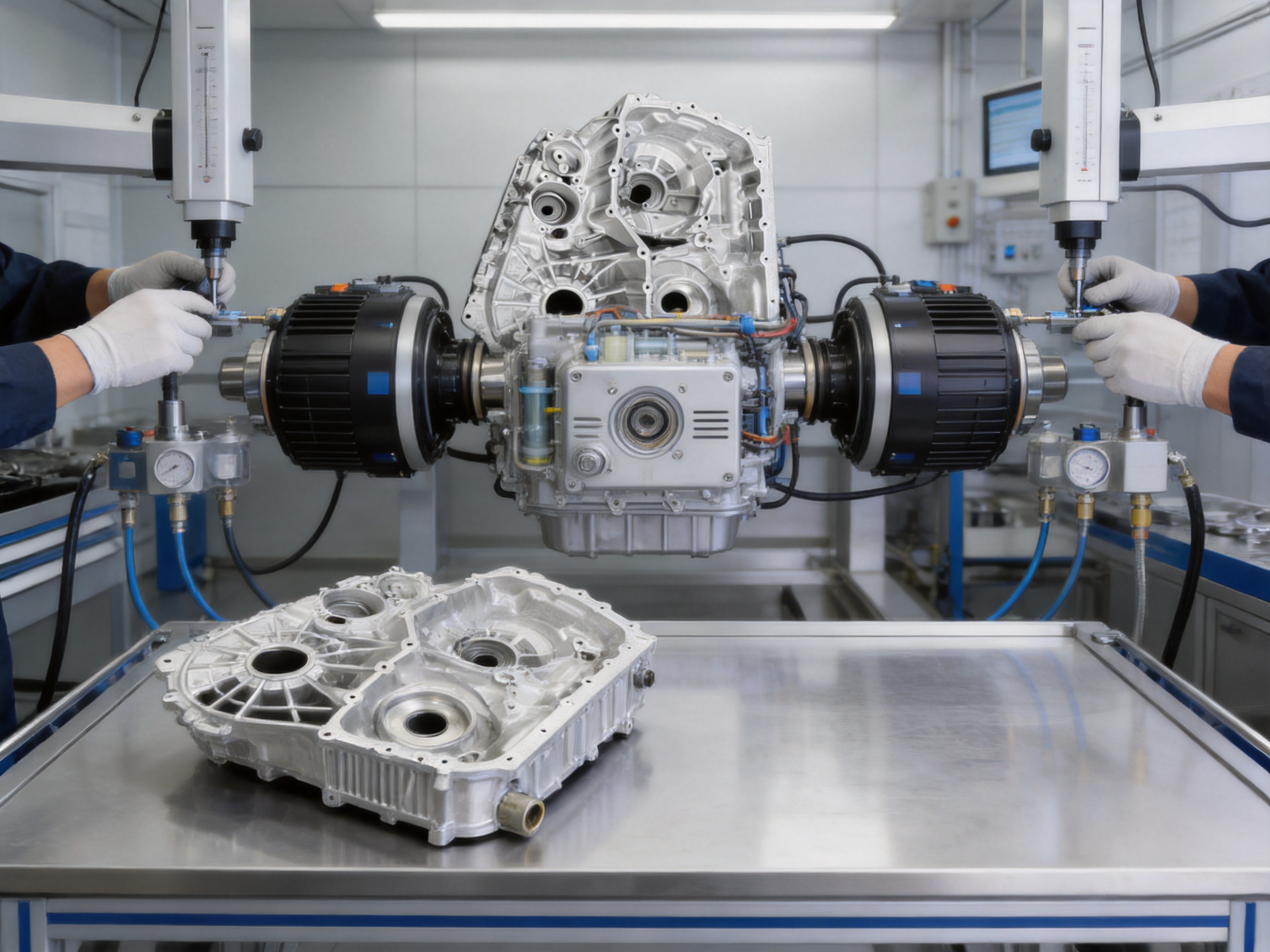
Hybrid powertrains are becoming increasingly sophisticated as vehicle manufacturers seek higher efficiency, stronger performance, lower emissions, and improved packaging. Within this development, the transmission housing is no longer a simple enclosure. It has become a precision structural, thermal-management, lubrication, and integration platform that must support multiple mechanical and electronic systems simultaneously. The 160S Super Hybrid Housing is designed for this demanding application, serving as a core structural component for three-speed DHT hybrid systems.
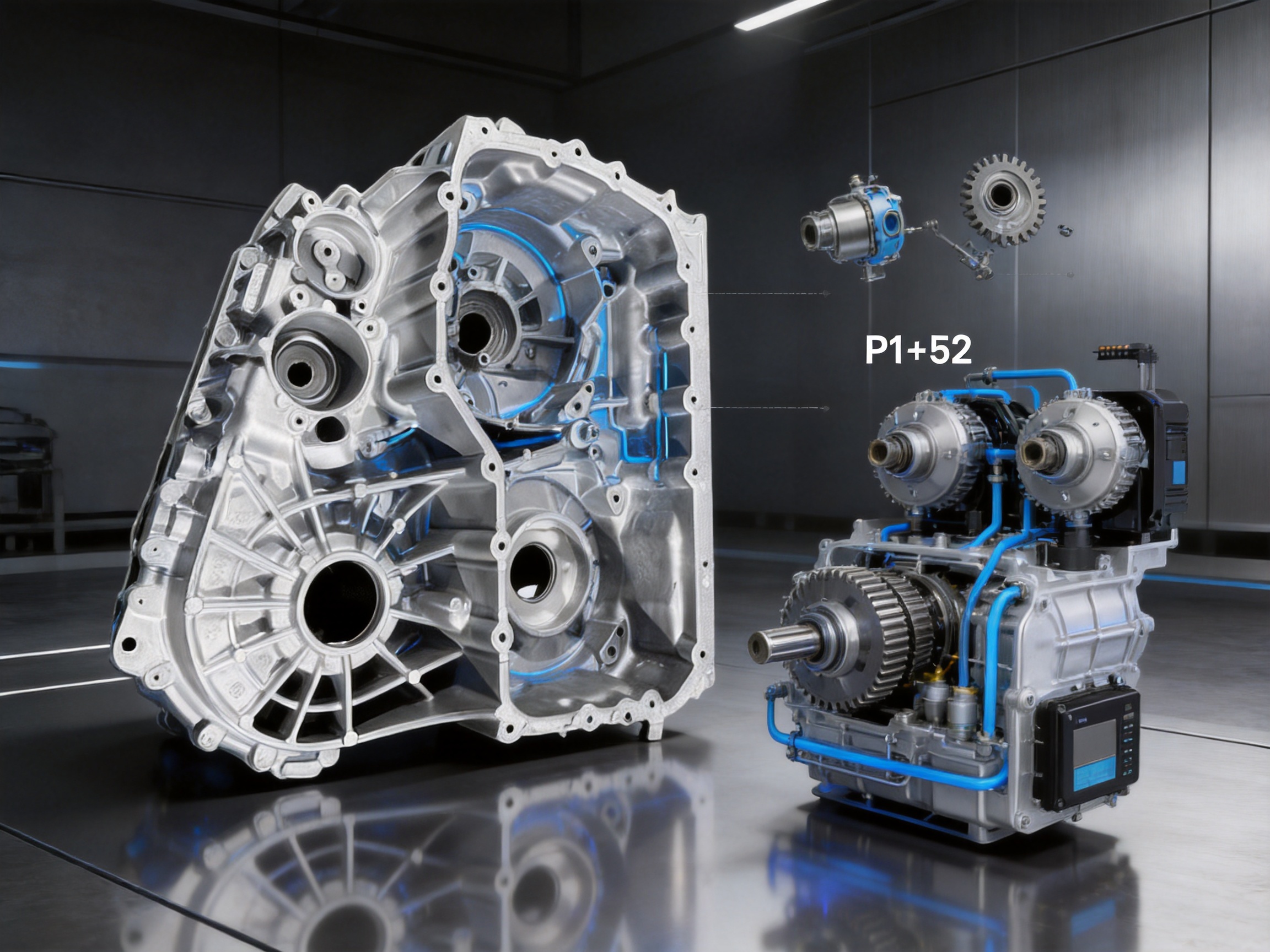
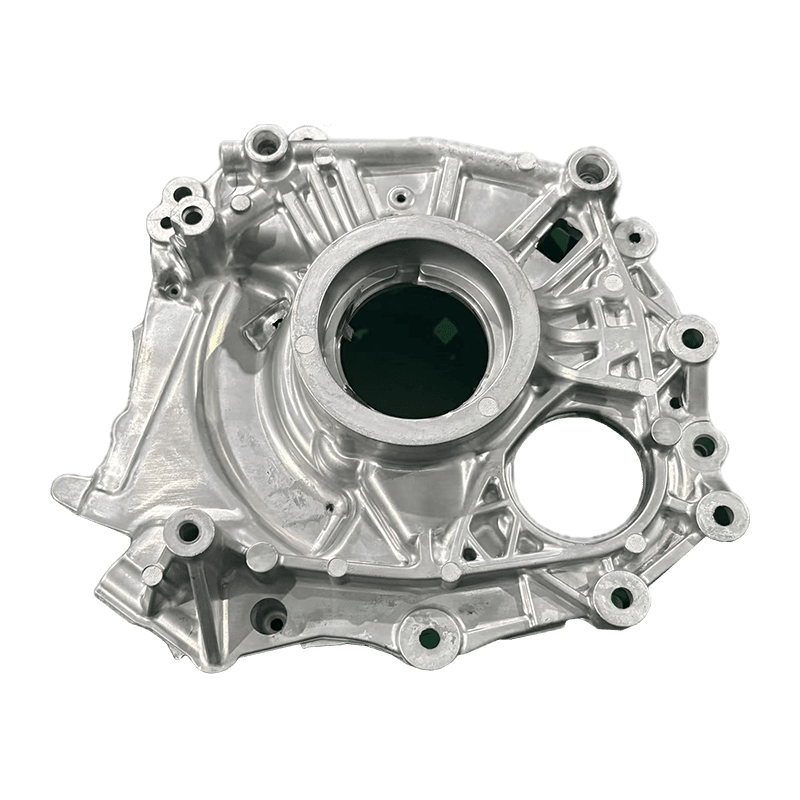
Manufactured from high-strength aluminum alloy through precision die casting, the housing integrates the motor, electronic control system, planetary gear set, cooling system, and hydraulic system into a compact and rigid assembly. Its design supports the P1+P2 dual-motor configuration and the three-speed transmission mechanism associated with advanced hybrid powertrains. By combining structural strength, accurate geometry, integrated fluid channels, reliable sealing, and lightweight construction, the housing contributes directly to transmission efficiency, vehicle packaging, durability, and driving refinement.
This article examines the product’s engineering value, key performance characteristics, manufacturing process, quality-control approach, and competitive advantages. It also explains how an experienced mold and die-casting manufacturer can support consistent production of complex aluminum alloy components for automotive and new-energy applications.
A three-speed dedicated hybrid transmission, commonly referred to as a DHT, must coordinate electric motors, gears, clutches, hydraulic circuits, lubrication, control electronics, and cooling functions. These systems operate under rapidly changing torque and speed conditions. During acceleration, regenerative braking, engine assistance, and high-speed cruising, the housing must maintain the alignment of rotating components while resisting vibration, thermal expansion, pressure variation, and repeated mechanical loading.
The 160S Super Hybrid Housing provides the foundation for these functions. It supports the transmission’s internal assemblies and establishes the dimensional relationships required for correct gear meshing, bearing operation, sealing, and fluid circulation. A housing with insufficient rigidity can deform under load, causing gear misalignment, increased noise, accelerated wear, and reduced transmission efficiency. A housing with poor thermal performance may allow heat to accumulate around motors, gears, hydraulic components, and electronic control areas. A housing with inadequate sealing may permit oil or coolant leakage, contamination, and long-term reliability problems.
In contrast, a precisely cast and accurately machined housing can stabilize the whole powertrain assembly. It helps preserve the location of shafts and bearings, provides controlled passages for oil and coolant, and reduces the number of separate components required for the complete transmission. This integrated approach supports better assembly accuracy and makes the housing an important contributor to the overall performance of the hybrid system.
The 160S Super Hybrid Housing is a high-complexity aluminum alloy die-cast component developed for automotive hybrid transmission applications. Its structure is designed around the requirements of a P1+P2 dual-motor layout and a three-speed transmission architecture. The housing accommodates the major functional systems required by the powertrain while maintaining a compact external envelope.
Its principal design objectives include high integration, high rigidity, low mass, dependable sealing, effective heat dissipation, and dimensional stability. These objectives are closely related. Integrating oil and water channels into the casting can reduce external pipework and shorten fluid paths, but it also increases mold complexity. Increasing structural rigidity through carefully positioned ribs and wall sections can improve gear alignment, but the design must still control casting weight and avoid excessive material accumulation. Achieving a lightweight structure therefore requires close cooperation between product designers, mold engineers, casting specialists, machinists, and quality personnel.
The component is not merely a protective shell. It is a load-bearing precision structure with multiple interfaces. These interfaces may include motor mounting locations, bearing seats, gear and shaft support areas, hydraulic connection points, electronic-control mounting zones, sealing surfaces, fastener locations, and cooling or lubrication channels. Each interface must meet its own dimensional and surface requirements while remaining compatible with the complete transmission assembly.
Through integrated die-casting design, the housing can combine several functions into one major component. This can reduce the number of individual parts, simplify assembly, limit potential leakage points, reduce tolerance accumulation, and improve manufacturing consistency. The result is a housing concept aligned with modern automotive development, where the integration of functions is increasingly important to vehicle efficiency and production cost control.
Aluminum alloy is well suited to hybrid transmission housings because it offers a favorable balance between low density, strength, thermal conductivity, corrosion resistance, and castability. Compared with heavier ferrous materials, aluminum can reduce the mass of the transmission assembly and support the vehicle manufacturer’s goals for lightweight design. Lower component mass can contribute to improved energy efficiency, better packaging flexibility, and reduced overall vehicle weight.
The alloy must nevertheless meet demanding mechanical and production requirements. A housing used in a high-torque hybrid transmission is exposed to repeated loads, vibration, thermal cycles, oil contact, coolant contact, pressure variation, and fastening forces. The material must maintain sufficient strength and dimensional stability throughout the operating life of the vehicle. Its casting behavior must also support thin walls, complex ribs, integrated channels, mounting bosses, and accurate external features.
Material selection is therefore considered together with casting method, heat management, mold filling, machining allowance, and inspection criteria. A suitable aluminum alloy can provide the required strength while allowing efficient high-pressure die casting. Proper process control helps minimize defects such as gas porosity, shrinkage, cold shuts, inclusions, incomplete filling, and dimensional distortion.
For a structural housing, the value of the alloy is not determined only by a laboratory strength figure. It also depends on the consistency of production. Stable alloy preparation, controlled melting, appropriate injection parameters, careful die temperature management, and effective process monitoring are all necessary to ensure that finished parts perform consistently. This production discipline is particularly important when a component contains thin sections, deep cavities, enclosed channels, or areas with different wall thicknesses.
One of the most important advantages of the 160S Super Hybrid Housing is its high structural rigidity. The housing must preserve the relative position of bearings, shafts, gears, motors, and other internal components during high torque and high-speed operation. Even small changes in alignment can influence gear contact, bearing loading, noise, vibration, and service life.
Rigidity is achieved through a combination of material selection, wall-thickness design, reinforcing ribs, mounting geometry, local boss design, and accurate machining. The casting design must place material where it contributes most effectively to load support without creating unnecessary mass. Rib patterns can increase bending resistance and help distribute forces around bearing areas, bolt flanges, motor mounts, and transmission interfaces.
A rigid housing also helps reduce deformation during assembly. When fasteners are tightened, sealing surfaces and mounting points experience clamping forces. If a housing is too flexible, tightening can distort critical areas or produce uneven sealing pressure. A carefully engineered structure maintains the geometry of the assembly and helps support dependable sealing performance over repeated thermal and mechanical cycles.
The rigidity of the housing provides a practical advantage over less integrated or less optimized alternatives. A lower-quality structure may require additional reinforcement, separate support brackets, or thicker walls to achieve acceptable durability. Those solutions can increase weight, assembly complexity, and cost. By using optimized die-cast geometry and precision machining, the 160S housing is designed to achieve structural performance within a compact and lightweight form.
Weight reduction is a major consideration in hybrid vehicle engineering. Although hybrid powertrains can improve energy efficiency through electric assistance and regenerative braking, their systems may include additional motors, batteries, control modules, cooling circuits, and transmission components. Every opportunity to reduce unnecessary mass can help improve the overall vehicle balance and packaging strategy.
The 160S Super Hybrid Housing contributes to lightweight design through aluminum alloy construction and functional integration. Instead of using multiple separate housings, brackets, covers, and external channels, the design can consolidate several functions within one precision-cast structure. This reduces duplicate material and can shorten the transmission assembly.
Compactness also improves space utilization. A smaller and more integrated transmission may create additional room for battery modules, exhaust-treatment systems, underbody protection, passenger-compartment structures, or other vehicle components. Packaging benefits are particularly valuable in hybrid vehicles, where available space must be allocated among the engine, electric motors, battery system, inverter, cooling equipment, and transmission.
Lightweight design must not compromise reliability. Excessive reduction in wall thickness can increase distortion, reduce fatigue resistance, or create casting and machining challenges. The correct approach is engineering optimization rather than simple material removal. Mold-flow analysis, structural review, casting simulation, and dimensional verification can help identify where thickness can be reduced safely and where additional support is necessary.
Thermal management is critical in a hybrid transmission because electric motors, gears, bearings, clutches, hydraulic systems, and electronic components can generate substantial heat during continuous operation. The 160S housing incorporates built-in oil and water channel concepts to support lubrication and cooling functions within the transmission structure.
Integrated channels can improve heat transfer by creating shorter and more controlled fluid paths. Transmission oil can be directed toward gears, bearings, clutches, and other areas requiring lubrication or cooling. Water or coolant circuits can help remove heat from designated regions and transfer it to the vehicle’s broader thermal-management system. Better heat distribution can reduce local hot spots and help stabilize component temperatures.
Integrating channels into the casting also reduces the need for external tubes, connectors, and separate passages. This can simplify the assembly, reduce potential leakage points, improve external packaging, and protect fluid routes from damage. The channel design must, however, be supported by precise mold construction and careful casting control. Internal passages must remain open, dimensionally stable, and free from unacceptable porosity or blockage.
Machining and pressure testing are important after casting. Connection faces, sealing surfaces, threaded ports, and precision openings may require CNC machining to achieve the necessary dimensions and surface condition. Leak testing can confirm the integrity of oil and coolant circuits before the component is released for assembly. These checks help ensure that the integrated fluid-management concept delivers practical value in production.
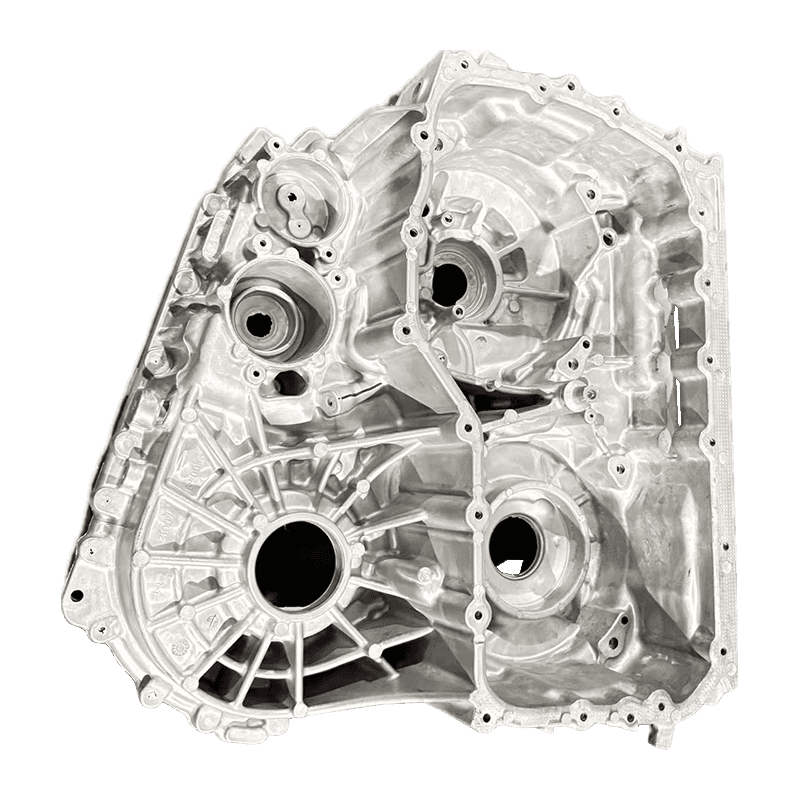
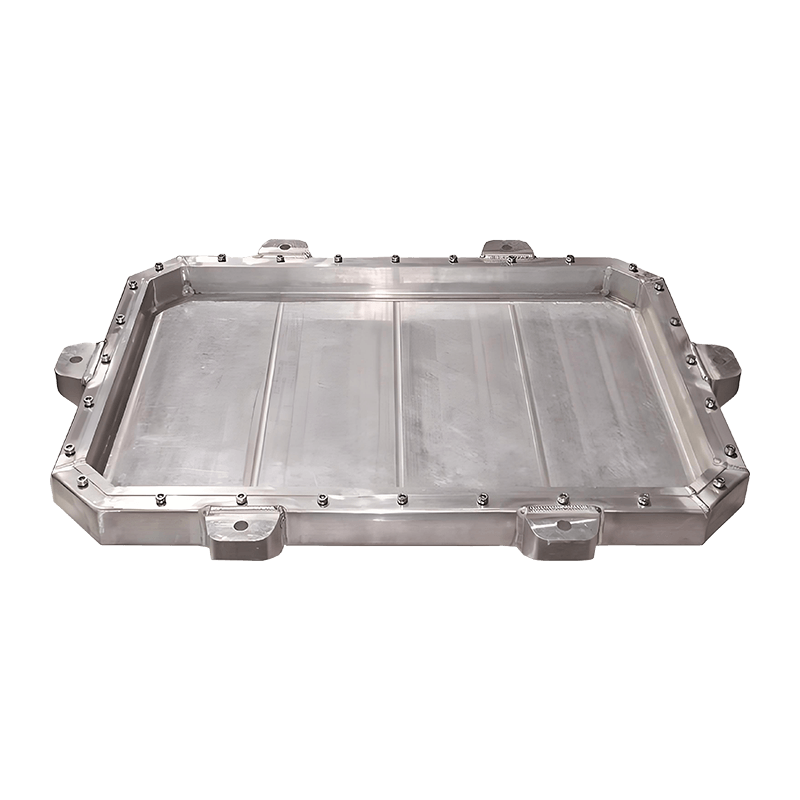
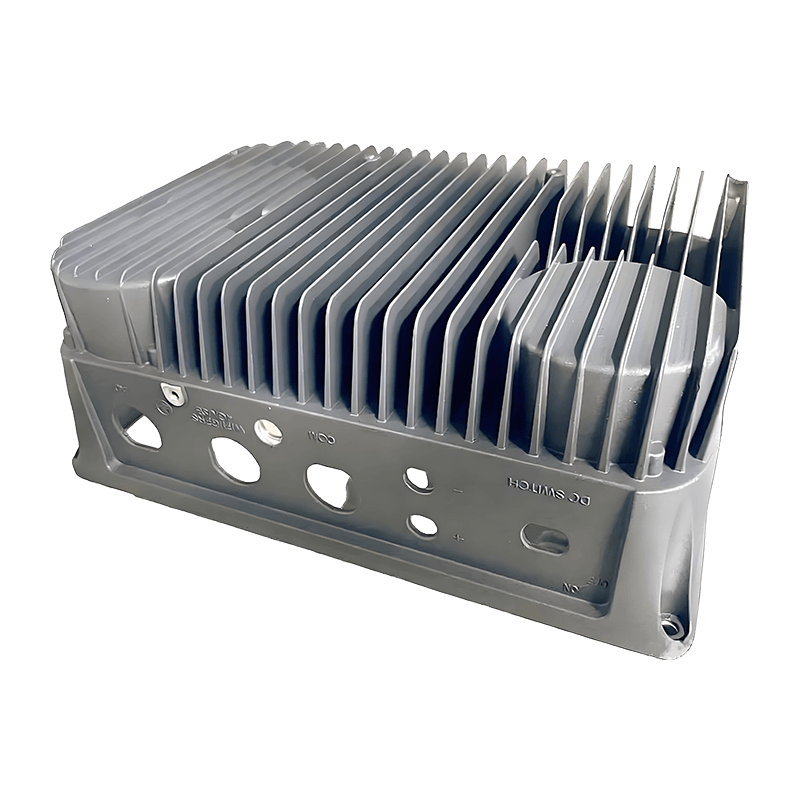
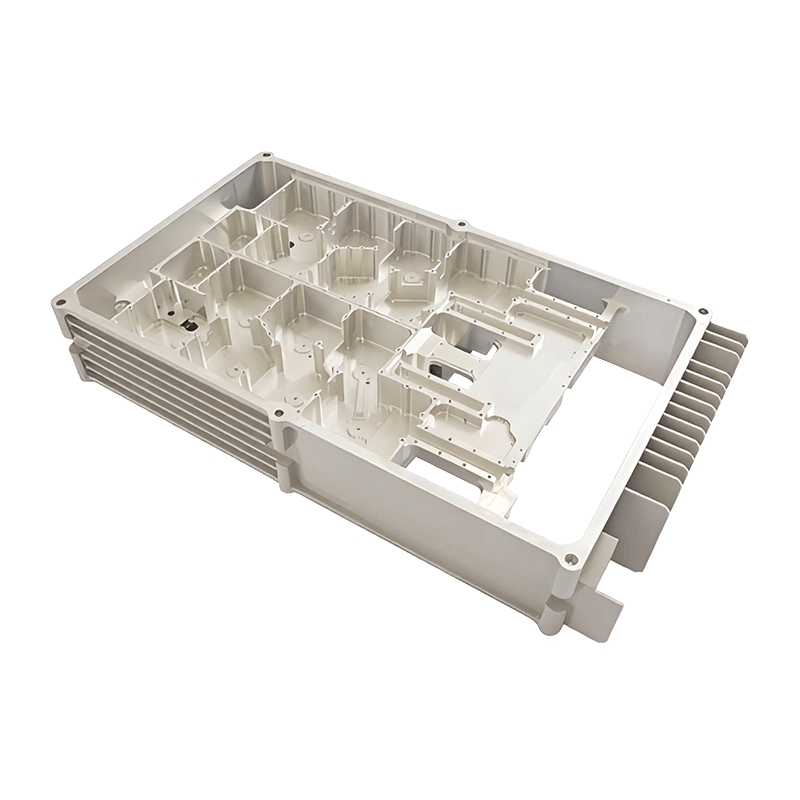
Die casting 160S Super Hybrid Housing
Hybrid transmissions require reliable separation between lubricating oil, coolant, air, and the external environment. Leakage can reduce fluid levels, degrade lubrication, contaminate nearby components, and create safety or durability concerns. External dust and moisture can also affect sensors, electrical connections, and control systems if sealing is inadequate.
The housing supports sealing through accurately controlled joint surfaces, machined flanges, bolt-hole positioning, O-ring grooves, gasket interfaces, and carefully designed connection features. The quality of these surfaces is directly related to casting stability and post-casting machining. Excessive porosity near a sealing region, uneven flatness, machining damage, or dimensional variation can all affect sealing performance.
An integrated housing can offer an advantage over a design that uses many separate covers and adapters because it may reduce the total number of joints. Fewer interfaces mean fewer potential leakage paths and fewer assembly operations. This does not eliminate the need for careful sealing design; rather, it allows the sealing strategy to be managed more systematically within the main housing architecture.
Reliable sealing also supports long-term cleanliness. A transmission operates with closely controlled clearances between gears, bearings, shafts, and hydraulic elements. Preventing external contamination helps protect these parts and supports stable operation throughout the service life of the powertrain. For hybrid systems, sealing is especially important around electronic control areas and interfaces between mechanical and electrical modules.
Noise, vibration, and harshness, commonly known as NVH, are important factors in modern vehicle design. Hybrid vehicles may operate at low engine noise levels, making transmission sounds and vibration more noticeable to occupants. A housing that contributes to excessive resonance, gear noise, or vibration can reduce the perceived quality of the vehicle.
The 160S Super Hybrid Housing supports NVH performance through high rigidity, stable bearing support, accurate machining, and compact structural integration. When the housing maintains gear and shaft alignment, it helps create consistent tooth contact and reduces the possibility of uneven load distribution. A stable structure can also limit vibration amplification and reduce deformation-related noise.
NVH behavior is influenced by the complete transmission system, including gears, bearings, motors, lubricants, mounts, control software, and operating conditions. The housing alone cannot determine the final noise level. It can, however, provide a strong foundation for the other systems to perform as intended. Accurate casting and machining are essential because small geometric errors can contribute to imbalance, uneven contact, and unwanted vibration.
The material and rib layout can also influence the housing’s natural frequencies and vibration response. Engineering teams may evaluate these characteristics through structural simulation, modal analysis, prototype testing, and system-level validation. A properly designed housing balances stiffness, mass, and damping behavior while maintaining the required dimensional accuracy.
A hybrid transmission experiences frequent changes in load. Electric motors can deliver high torque quickly, while the engine, planetary gear set, and three-speed mechanism introduce additional torque transitions. Regenerative braking can reverse the direction of power flow, and repeated acceleration events can create alternating stress cycles within the housing and its mounting points.
The 160S housing is designed to withstand high-torque and high-speed impacts while maintaining structural integrity. Its durability depends on the combined performance of the aluminum alloy, casting quality, geometry, machining accuracy, fastener design, and transmission assembly. Areas surrounding bearing seats, gear supports, motor interfaces, and bolt connections require particular attention because they may experience concentrated loads.
Thermal cycling creates another challenge. The housing may be exposed to repeated changes in temperature as the vehicle starts, accelerates, cruises, stops, and operates under different ambient conditions. Aluminum expands and contracts as temperature changes. If the design does not manage thermal movement properly, repeated cycles may affect sealing, alignment, or fatigue life.
Thermal stability is therefore considered in relation to both material behavior and fluid management. Effective cooling can reduce temperature peaks, while appropriate wall thickness and rib design can help distribute heat. Stable geometry under continuous high loads helps prevent thermal decay, in which performance gradually declines because of excessive temperature or deformation.
Fatigue durability is also important. A component may experience millions of vibration and load cycles during vehicle operation. Engineering validation may include pressure testing, thermal cycling, vibration testing, fatigue analysis, dimensional checks, and system-level endurance testing. These activities help verify that the housing remains fit for service beyond short-term static loading.
The quality of a complex hybrid housing begins before metal enters the die. Product engineering, mold design, material planning, process simulation, and inspection planning must be coordinated from the beginning. A disciplined manufacturing process helps reduce casting defects, stabilize dimensions, shorten development time, and improve repeatability during mass production.
The process begins with a review of the three-dimensional product model, technical drawings, material requirements, functional interfaces, and expected production volume. Engineers examine the housing’s wall thickness, ribs, bosses, channels, draft angles, parting lines, ejector locations, machining allowances, and critical sealing surfaces.
Design-for-manufacturing review is particularly important for a component with integrated oil and water passages. The geometry must permit proper filling, solidification, ejection, cleaning, machining, and inspection. Sharp transitions may be adjusted to reduce stress concentration and improve metal flow. Thick sections may require local optimization to reduce shrinkage risk. Critical surfaces may need additional machining allowance to ensure that final dimensions can be achieved consistently.
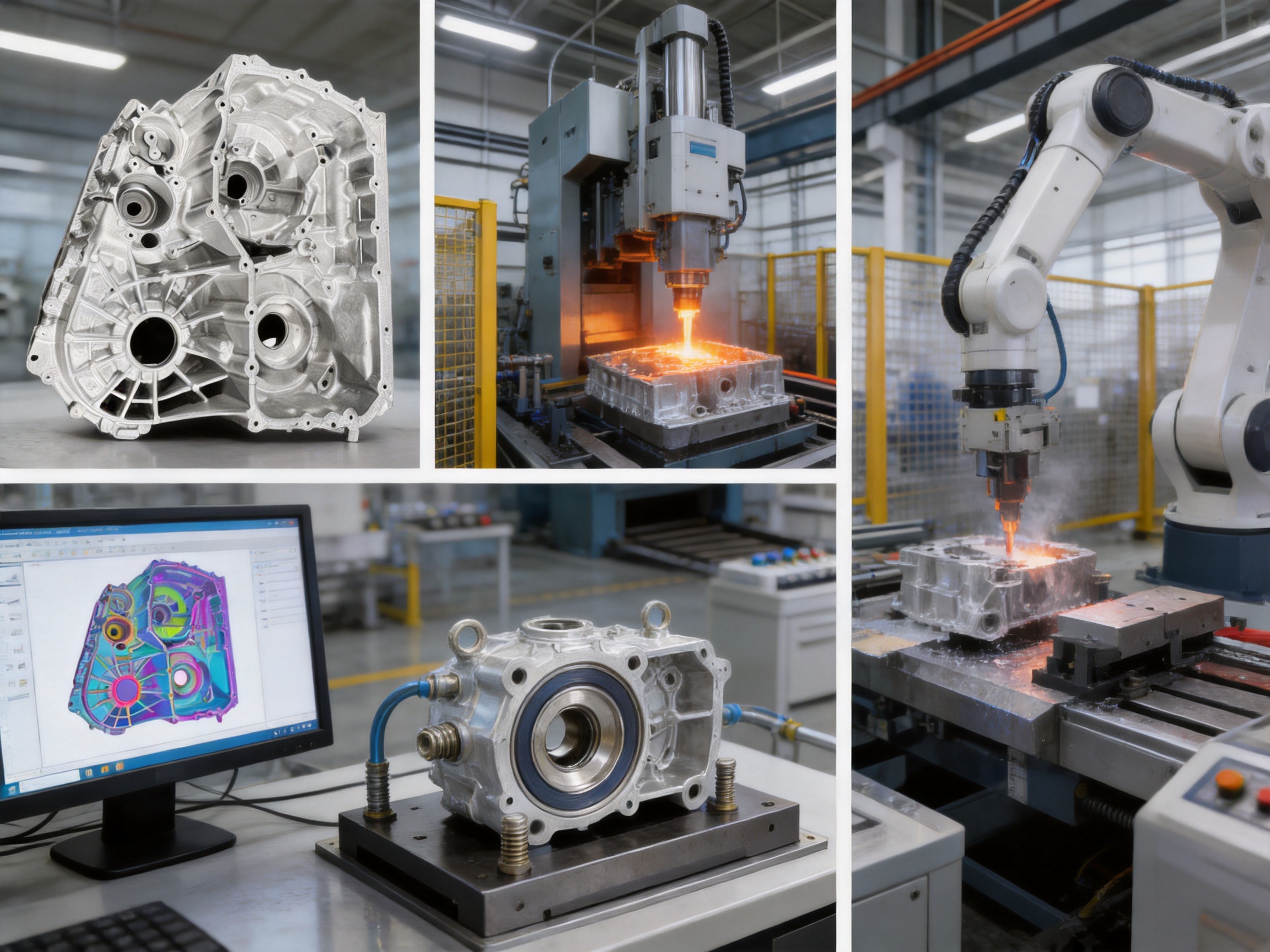
Mold-flow analysis allows engineers to evaluate how molten aluminum will fill the die cavity. It can provide insight into filling time, flow fronts, air entrapment, temperature distribution, solidification behavior, pressure requirements, and potential defect areas. This virtual evaluation helps identify design or process problems before the mold is manufactured.
For a large and intricate housing, the analysis may guide the placement of gates, runners, overflows, vents, cooling lines, and ejector components. It can also support decisions about injection speed, intensification pressure, die temperature, and vacuum assistance where applicable. By visualizing the filling process in advance, the engineering team can improve the likelihood of complete filling and reduce the risk of cold shuts, porosity, and incomplete features.
Mold-flow analysis does not replace physical testing, but it makes development more efficient. It allows alternative solutions to be compared at an early stage, when design changes are less costly. This is an important competitive advantage for complex automotive components because it can reduce tooling revisions and support faster project launch.
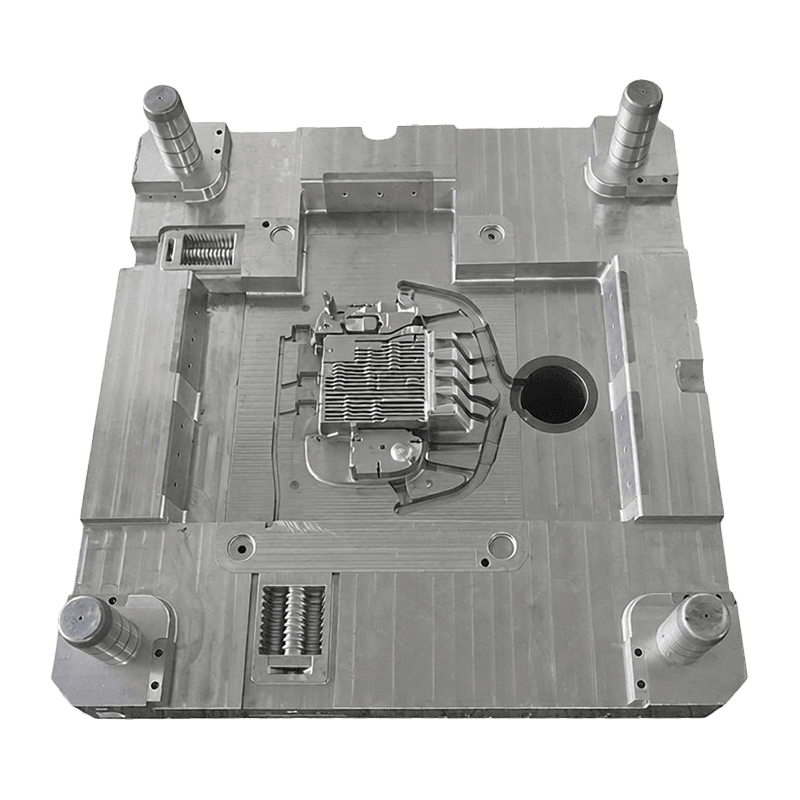
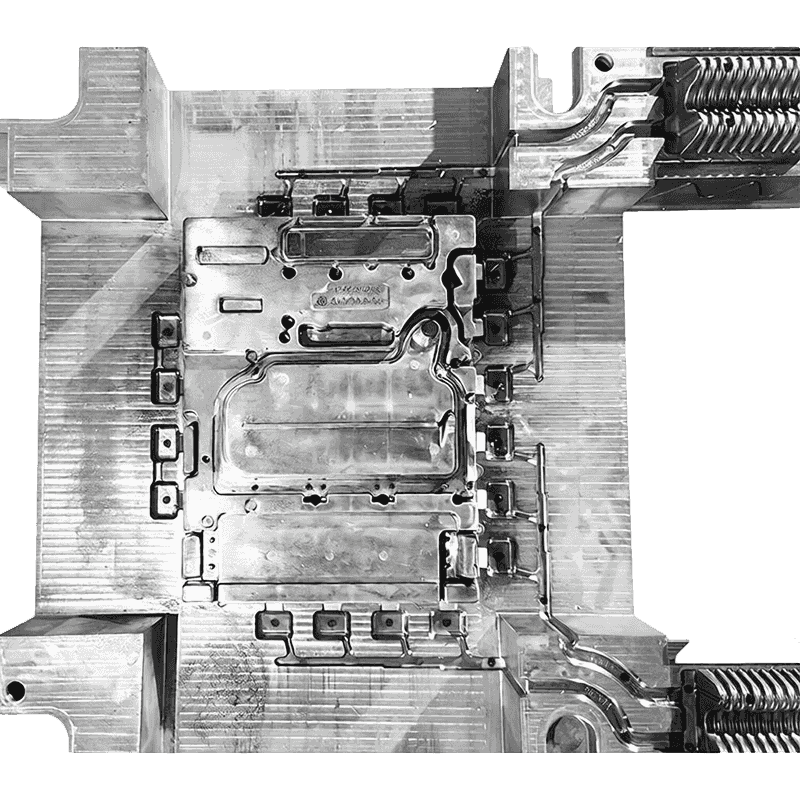
The die-casting mold must reproduce the housing’s external shape and internal functional features with high accuracy. It must also withstand repeated thermal and mechanical cycling. Mold components may include core inserts, slides, lifters, cooling circuits, ejector systems, guide elements, runners, gates, overflows, and venting features.
High-precision CNC machining is used to produce mold bases, inserts, cavities, and other tooling elements. Electrical discharge machining can support the production of deep, narrow, or complex features that are difficult to machine conventionally. Careful fitting and assembly are necessary to ensure proper parting, alignment, venting, and core movement.
Mold life and production stability depend on appropriate steel selection, heat treatment, cooling design, surface condition, maintenance, and process control. For a housing with complex channels and multiple moving mold elements, preventive maintenance is especially important. Wear or misalignment can affect flash, dimensions, sealing interfaces, and part release.
During die casting, molten aluminum alloy is injected into the prepared mold under high pressure. The process must fill the cavity quickly enough to prevent premature solidification while limiting turbulence and air entrapment. Pressure and speed profiles are selected according to the part geometry, alloy behavior, wall thickness, and quality requirements.
Die temperature is controlled to support stable filling and solidification. Excessive temperature may increase cycle time, soldering, or dimensional variation, while insufficient temperature may contribute to incomplete filling or cold shuts. Cooling channels in the die help manage thermal balance and maintain repeatable production conditions.
After solidification, the casting is ejected and separated from the runner and overflow system. Automated or semi-automated trimming can remove excess material efficiently and improve production consistency. Operators and quality personnel may conduct visual checks for flash, surface defects, incomplete filling, and other obvious conditions before the part proceeds to further operations.
Trimming removes gates, runners, overflows, and excess flash left by the die-casting process. Automated trimming lines can improve repeatability, reduce labor variation, and provide better control for higher-volume automotive production. Deburring is necessary around openings, edges, bolt holes, and machined regions to prevent interference during assembly and to protect operators and downstream equipment.
Trimming must be controlled carefully. Excessive removal can damage functional features, while insufficient removal can leave material that interferes with assembly or creates a sealing problem. The trimming method is selected according to the casting geometry and the location of critical surfaces.
Die casting produces the near-net shape, but many housing interfaces require high-precision machining. CNC machining may be used for bearing seats, shaft openings, motor mounting surfaces, transmission flanges, threaded holes, sealing grooves, fluid ports, and other critical areas.
Machining accuracy supports gear alignment, bearing installation, sealing, fastener consistency, and interchangeability. Fixtures must locate the casting reliably and support it without introducing distortion. Datum structures are selected to maintain the relationship between multiple surfaces and ensure that machining reflects the product’s functional coordinate system.
Process capability should be monitored for critical dimensions. Tool wear, fixture condition, cutting parameters, coolant management, and chip removal can all influence the finished part. Regular in-process measurement helps detect drift before it affects a large batch of components.
After machining, the housing must be cleaned to remove chips, cutting fluid, casting residue, and other contaminants. Internal channels and cavities require special attention because trapped particles could enter the transmission or restrict fluid flow. Cleaning procedures may include washing, air blowing, filtration, brushing, and visual or endoscopic inspection depending on the feature geometry.
Surface preparation may also be used according to customer requirements and the intended application. The selected treatment should be compatible with aluminum alloy, transmission oil, coolant, sealing materials, and environmental conditions. The objective is to provide a clean, stable, and assembly-ready component.
Because the housing contains oil and coolant passages, leak testing is a key quality-control step. Test methods are selected according to the circuit and customer specification. The housing may be tested for pressure retention, air leakage, or fluid leakage in separate functional areas.
Testing helps identify casting porosity, machining damage, sealing-surface defects, blocked passages, and assembly-interface problems. A clear test record provides traceability and helps manufacturers analyze recurring issues. For high-reliability automotive applications, leak testing is often combined with dimensional inspection and visual examination before final release.
A complex automotive die casting requires more than final inspection. Quality must be built into every stage, from design and mold development through material preparation, casting, machining, testing, packing, and shipment. Ningbo Dinghong Mould Co., Ltd. operates with ISO 9001 and IATF 16949 quality management system certifications, supporting standardized processes for automotive and industrial manufacturing.
ISO 9001 provides a structured framework for quality management, customer requirements, process control, corrective action, and continuous improvement. IATF 16949 is specifically associated with automotive quality management and emphasizes risk management, defect prevention, traceability, process capability, and customer-specific requirements. These systems are valuable for customers seeking a stable supplier for safety- and performance-sensitive components.
Quality control for the 160S housing can include incoming alloy verification, process-parameter monitoring, first-article inspection, dimensional measurement, surface inspection, leak testing, internal cleanliness checks, and final audit. Depending on the project, additional methods may include coordinate measuring machine inspection, X-ray or computed tomography evaluation, hardness testing, metallographic analysis, and mechanical validation.
Traceability supports efficient problem solving. Production records may connect a finished housing to its casting batch, machine, mold condition, process parameters, operator or work cell, machining program, inspection data, and shipment information. If an abnormality is detected, this information helps isolate the cause and prevent recurrence.
Preventive quality is particularly important for die casting because many defects originate from interactions between design, mold condition, alloy temperature, injection parameters, and cooling behavior. Monitoring these factors allows the manufacturer to move from reactive sorting toward process capability and continuous improvement.
Ningbo Dinghong Mould Co., Ltd. has developed from a mold-manufacturing background into an integrated supplier offering mold design, mold manufacturing, die casting, finishing, and related trade services. The company was established in 2013, following the earlier establishment of Yuejin Mould in 1998. Its location in Daqi Street, Beilun District, Ningbo, places it within an important Chinese die-casting and automotive manufacturing region and near Beilun Port.
The company operates approximately 15,000 square meters of plant space and has experience serving automotive, household appliance, telecommunication, new-energy, photovoltaic, electrical, motorcycle, pump and valve, fitness equipment, robotic, and other industries. This cross-industry experience can support the development of transferable capabilities in mold engineering, aluminum alloy casting, machining, inspection, and production management.
Its production resources include high-precision CNC machining centers, EDM equipment, die-casting machines, automated trimming lines, and testing equipment. The combination of tooling and production resources is strategically valuable. A supplier that controls both mold manufacturing and die casting can respond more efficiently to design adjustments, tooling improvements, process issues, and customer feedback.
In complex housing projects, mold and casting decisions are closely connected. A change in gate location may affect machining allowance. A modification to a cooling channel may influence mold insert construction. A local wall-thickness adjustment may require changes to filling simulation and trimming. Integrated technical communication reduces the risk of gaps between separate suppliers and supports more efficient project coordination.
The 160S Super Hybrid Housing offers several advantages compared with conventional, less integrated, or less precisely manufactured alternatives. These advantages arise from the product’s structure, material, manufacturing process, and intended system compatibility.
The housing accommodates or supports the motor, electronic control system, planetary gear set, cooling system, and hydraulic system within a coordinated architecture. Higher integration can reduce the number of separate parts, external connections, mounting brackets, and potential leakage points. It can also improve assembly efficiency and reduce tolerance accumulation.
High rigidity helps maintain gear and bearing alignment under torque, speed, vibration, and thermal loading. This can contribute to improved transmission durability, reduced noise, and more stable power transfer. Competitor housings with lower stiffness may require additional reinforcement or may experience greater deformation under comparable operating conditions.
Built-in oil and water channels support controlled heat removal and lubrication. Integrated fluid passages can provide a more compact solution than extensive external piping, while reducing the number of external connections that may require sealing and protection.
High-strength aluminum alloy and optimized die-cast geometry help reduce mass while preserving the structural performance needed by the transmission. The compact configuration supports improved vehicle space utilization and contributes to the lightweight goals of hybrid vehicle design.
Precision-machined interfaces, controlled joint surfaces, and integrated structural features support dependable sealing. Reduced interface count can simplify the sealing strategy and lower the potential for oil or coolant leakage.
The housing is designed for P1+P2 dual-motor systems and a three-speed transmission mechanism. This makes it suitable for a class of hybrid powertrains that require close coordination between electric drive units, mechanical gearing, hydraulic control, and thermal management.
A manufacturer with mold design, mold production, die casting, machining, trimming, testing, and quality-management capabilities can provide more coordinated project support than a supplier limited to one process. Integrated support can simplify communication, improve design feedback, and reduce the time needed to address manufacturing challenges.
Automotive customers often require product-specific interfaces, mounting dimensions, fluid connections, material requirements, inspection plans, and validation procedures. A successful supplier must therefore be able to work from customer drawings, three-dimensional models, technical specifications, samples, or jointly developed designs.
Design collaboration may begin with a feasibility review. Engineers evaluate whether the proposed geometry can be filled, ejected, trimmed, machined, inspected, and tested efficiently. They may recommend changes to draft, fillets, wall thickness, ribs, channel geometry, parting lines, or datum structures. The objective is not to change the product’s function, but to improve manufacturability and long-term process stability.
Tooling development follows the approved product concept. Mold-flow results can be discussed with the customer to explain expected filling behavior and proposed process solutions. Prototype or trial castings may be inspected for dimensional accuracy, porosity, surface condition, machining performance, and leak-tightness. Feedback from these trials can guide final mold adjustments and production parameter development.
Customization is also possible in areas such as surface finish, machining scope, cleanliness standard, marking, packaging, inspection documentation, and logistics. These details may be important when the housing is supplied directly to an assembly line or integrated into a larger transmission module.
For a hybrid vehicle manufacturer, the value of the 160S housing extends beyond the individual component price. A well-designed housing can influence the transmission’s assembly time, fluid-management layout, service reliability, NVH behavior, vehicle packaging, and energy efficiency.
Functional integration can reduce the number of assembly steps and simplify supply-chain management. Fewer separate components may mean fewer part numbers, less inventory, and fewer opportunities for incorrect assembly. Compact packaging can assist vehicle platform development, particularly when multiple powertrain variants must share a common underbody or engine compartment.
Reliable thermal management can support consistent operation under demanding conditions, including prolonged high-load driving, steep gradients, high ambient temperatures, and repeated acceleration. Strong structural performance can help maintain gear alignment and reduce the risk of durability problems during the vehicle’s service life.
Lightweight construction can contribute to broader vehicle efficiency goals. Although the effect of one housing is part of a larger system, reductions in transmission mass can support overall vehicle mass reduction. The resulting benefits may include improved energy consumption, acceleration response, handling balance, and packaging flexibility.
For new-energy vehicle programs, the ability to develop and manufacture complex aluminum alloy components is also strategically important. Suppliers with experience in mold-flow analysis, high-pressure die casting, CNC machining, and leak testing can help vehicle manufacturers accelerate the transition from conventional powertrain components to integrated hybrid and electric-drive structures.
When evaluating a supplier for a hybrid transmission housing, buyers should consider more than the quoted unit price. The supplier’s engineering capability, mold-development process, machine capacity, quality certifications, inspection resources, production traceability, and experience with similar components can have a major effect on project risk.
Important technical questions may include the following:
What aluminum alloy and material-control procedures are used?
How is mold filling analyzed before tool construction?
Which dimensions are designated as critical-to-function characteristics?
How are internal channels inspected and cleaned?
What leak-testing method and acceptance criteria are applied?
How are casting porosity and internal defects evaluated?
What machining equipment and fixture strategy are used?
How are mold maintenance and process changes documented?
What traceability information accompanies each production batch?
How are nonconforming parts isolated, analyzed, and corrected?
A capable supplier should be able to answer these questions with documented procedures and practical examples. The goal is to establish confidence that the component will remain consistent not only during initial sampling but also during repeated mass production.
Aluminum die casting can support resource-efficient vehicle manufacturing because aluminum is lightweight and can be recycled. Lower vehicle mass may contribute to reduced operating energy consumption, while recovered aluminum can be returned to manufacturing streams when managed appropriately. Efficient mold design and automated production can also help reduce material waste and improve productivity.
Integrated housing design may reduce the amount of material used in separate brackets, pipes, covers, and adapters. Shorter assembly processes can reduce handling and energy use. Stable die-casting parameters can reduce scrap rates, and process monitoring can identify deviations before large quantities of material are affected.
Sustainability also includes product durability. A housing that delivers reliable service over a long operating life helps reduce replacement demand and the associated consumption of material, energy, and logistics resources. Strong structural performance, effective thermal management, and reliable sealing therefore support both technical and environmental objectives.
Manufacturers can further improve resource efficiency through preventive mold maintenance, optimized cycle times, controlled alloy recycling, efficient cooling systems, and data-driven process improvement. These measures contribute to responsible production without compromising the performance requirements of automotive components.
The 160S Super Hybrid Housing is a precision aluminum alloy die-cast structural component for a three-speed dedicated hybrid transmission. It supports and integrates major systems including the motor, electronic control system, planetary gear set, cooling system, and hydraulic system.
The housing is designed to be compatible with a P1+P2 dual-motor arrangement and a three-speed transmission mechanism. Final compatibility should always be confirmed against the customer’s transmission design, interfaces, and technical specifications.
Aluminum alloy provides low density, useful strength, good thermal conductivity, corrosion resistance, and suitable castability. These properties help create a lightweight and compact housing while maintaining the structural and thermal performance required by hybrid powertrains.
High rigidity helps preserve the alignment of gears, shafts, bearings, motors, and other internal components. Stable alignment can improve gear meshing accuracy, reduce vibration and noise, limit deformation, and support long-term fatigue durability.
Integrated channels can support lubrication and cooling within the housing, shorten fluid paths, reduce external piping, improve packaging, and reduce the number of external connection points. They also require careful mold design, casting control, cleaning, machining, and leak testing.
Automotive housings can generally be customized according to approved customer drawings, three-dimensional models, material requirements, mounting interfaces, channel layouts, machining requirements, inspection standards, and packaging specifications. A feasibility review is recommended before tooling begins.
The principal processes include product and mold design, mold-flow analysis, precision mold manufacturing, high-pressure aluminum die casting, trimming, deburring, CNC machining, cleaning, leak testing, dimensional inspection, and final quality control.
Mold-flow analysis predicts filling behavior, temperature distribution, air entrapment, solidification, and potential defect areas. It helps engineers optimize gates, runners, vents, overflows, cooling, and injection parameters before the mold is manufactured.
Sealing performance is supported by accurate casting, precision-machined joint surfaces, controlled grooves and flanges, correct fastener locations, clean internal passages, and pressure or leak testing. Inspection criteria should be established according to the transmission design and customer requirements.
Ningbo Dinghong Mould Co., Ltd. has ISO 9001 and IATF 16949 quality management system certifications. These frameworks support standardized process management, defect prevention, traceability, corrective action, and continuous improvement.
The manufacturer provides molds and aluminum alloy die-cast products for automotive, new-energy, photovoltaic, telecommunications, household appliance, electrical, motorcycle, pump and valve, fitness equipment, robotic, and other industries.
Useful information includes the three-dimensional model, two-dimensional drawings, alloy requirement, annual volume, critical dimensions, leak-testing requirements, machining scope, surface-finish expectations, inspection standards, packaging requirements, and delivery schedule.
The 160S Super Hybrid Housing is an example of how modern die-cast aluminum components have evolved into multifunctional powertrain structures. Designed for three-speed DHT systems and P1+P2 dual-motor applications, it combines structural support, thermal management, lubrication integration, sealing interfaces, and packaging efficiency in one coordinated component.
Its high rigidity helps protect gear alignment and transmission stability. Its aluminum alloy construction supports lightweight vehicle design. Integrated oil and water channels improve the potential for efficient thermal management, while compact architecture can reduce external connections and assembly complexity. Reliable sealing, strong fatigue durability, thermal stability, and NVH-oriented structural design further support the demanding requirements of hybrid vehicle operation.
The product’s competitive value is closely linked to the manufacturing capabilities behind it. Mold-flow analysis, precision tooling, high-pressure die casting, automated trimming, CNC machining, cleaning, leak testing, and quality traceability must operate as one controlled process. Ningbo Dinghong Mould Co., Ltd. combines mold engineering, die casting, finishing, inspection, and automotive quality-management experience to support this type of complex component.
For vehicle manufacturers and transmission developers, the housing offers more than a lightweight enclosure. It provides a foundation for integrated hybrid powertrain performance, dependable fluid management, accurate mechanical alignment, efficient assembly, and long-term operating reliability. As hybrid systems continue to demand greater integration and higher power density, precision-engineered aluminum alloy housings will remain an important part of advanced automotive manufacturing.
1. International Organization for Standardization. ISO 9001 Quality Management Systems—Requirements.
2. International Automotive Task Force. IATF 16949 Quality Management System Requirements for Automotive Production and Relevant Service Parts Organizations.
3. American Foundry Society. Die Casting Engineering and Process Control Principles.
4. European Aluminium. Aluminum in Automotive Powertrain and Structural Applications.
5. Society of Automotive Engineers. Hybrid and Electric Vehicle Powertrain Engineering Principles.
6. ASM International. Aluminum Alloy Casting and Solidification Technology.
7. Automotive Industry Action Group. Automotive Production Part Approval and Quality Planning Principles.
8. General engineering references on mold-flow analysis, high-pressure die casting, CNC machining, leak testing, and transmission housing design.

The casting simulation process has become an integral part of the fast-paced development process. In this case, the dev...
READ MOREMetal Injection Molding vs Die Casting: Start With the Part A buyer often arrives at this comparison with two very diff...
READ MORE1 Introduction The commercial application of aluminum alloy die castings can be traced back to 1915. After a century of ...
READ MOREBefore a part ever reaches production, every buyer eventually asks the same question: should this component be injectio...
READ MORE

Sun Yuejun: +86-13806631860
Wang Shiyong: +86-15958891460 / 15058297768
Dove Yao: +86-18625086675


Copyright © Ningbo Dinghong Mould Co., Ltd. Rights Reserved. Custom Precision Die Casting Aluminum Alloy Parts Manufacturers
