
 English
 Español
 русский
 Français


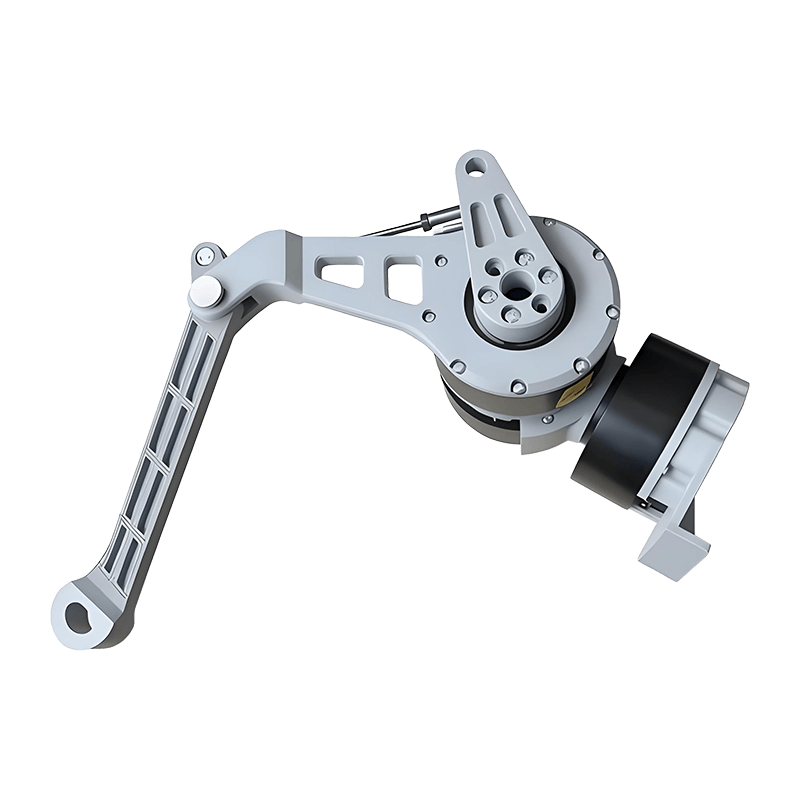

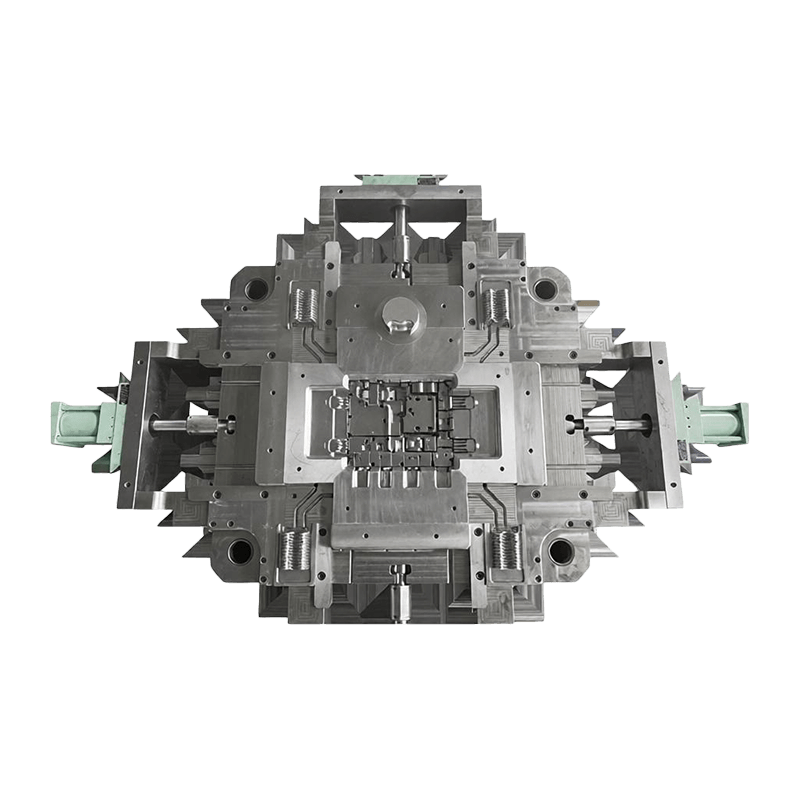
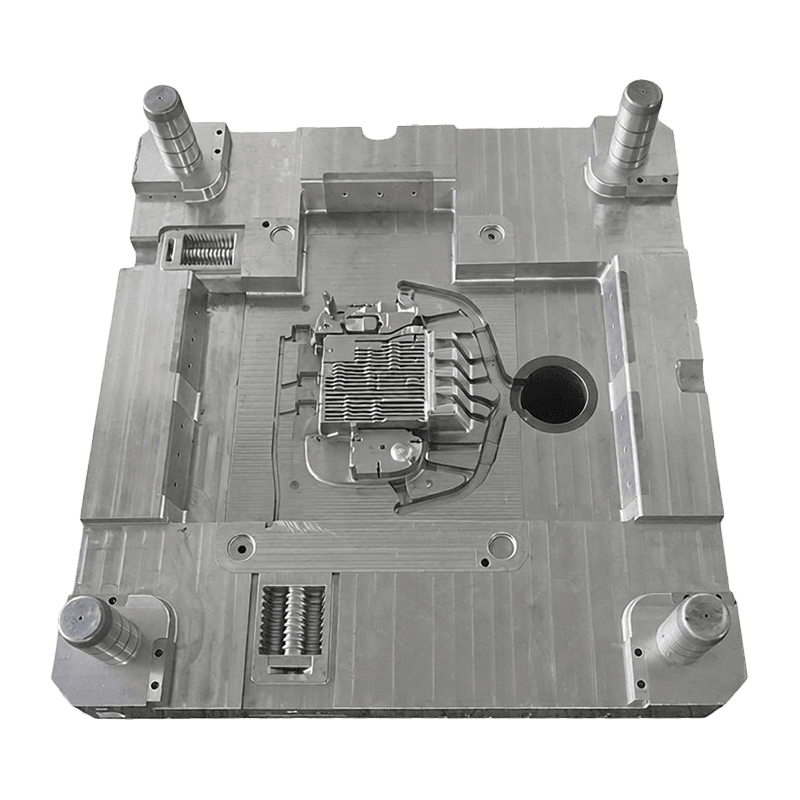
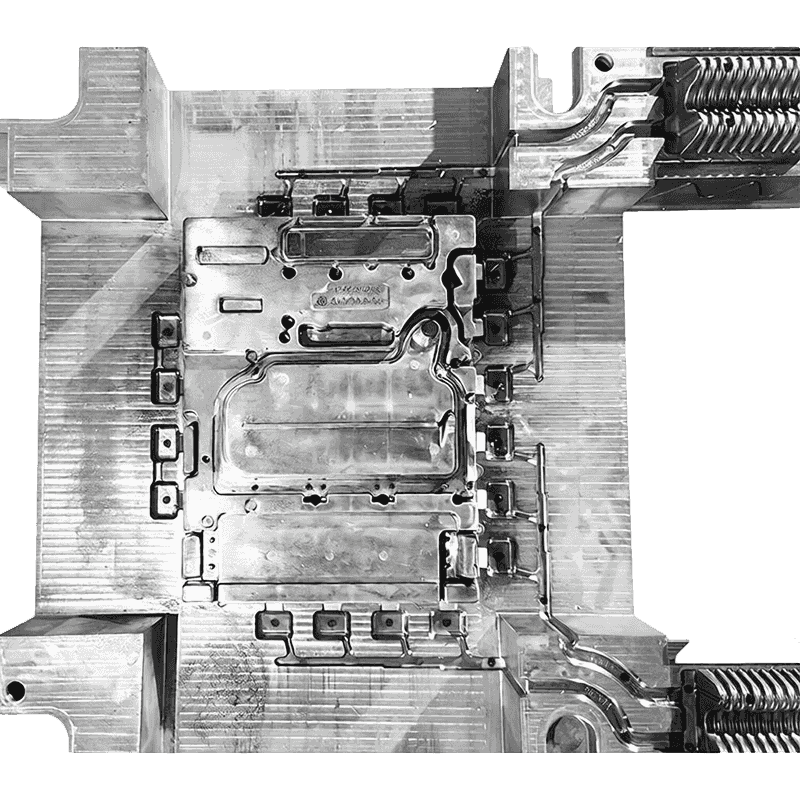

Materials & Manufacturing Yes, Aluminum Die Casting Parts are consistently lighter than Cast Iron Parts when engin...
READ MORE
Content
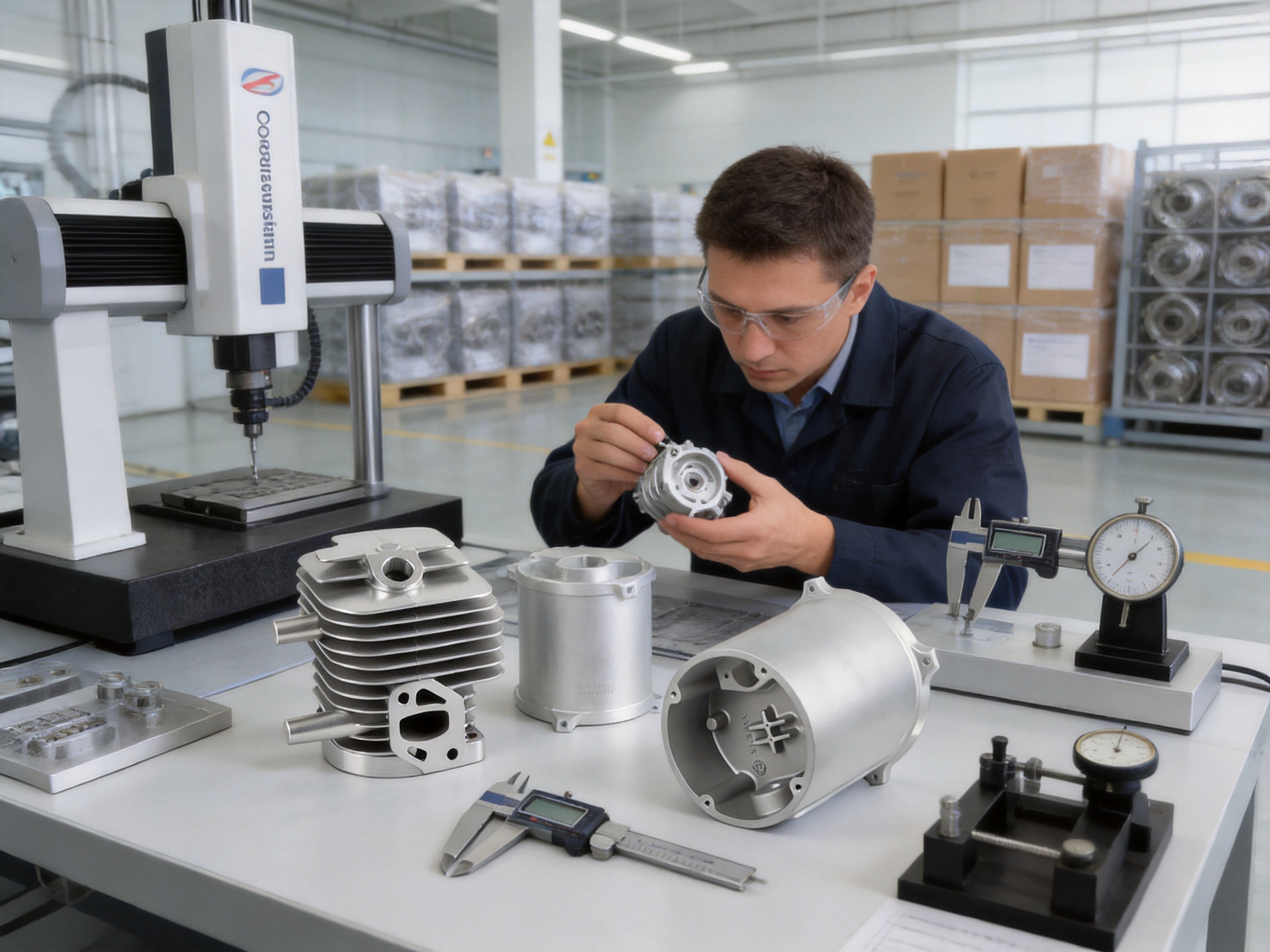
Motorcycles depend on compact, strong, and accurately manufactured components to deliver reliable performance, responsive handling, efficient power transmission, and long service life. Among the many production technologies used in the motorcycle industry, aluminum alloy die casting is especially important because it combines dimensional accuracy, repeatability, lightweight construction, and efficient large-volume production. Die casting motorcycle parts are used across engine, transmission, running, control, and electrical systems, where every component must satisfy demanding requirements for strength, fit, surface quality, and functional reliability.
Modern motorcycle manufacturers and component buyers increasingly require more than a simple cast metal product. They need a complete manufacturing partner capable of interpreting technical drawings, optimizing part structures, designing and building molds, controlling casting parameters, performing secondary machining, inspecting critical dimensions, and delivering consistent batches. A supplier with integrated capabilities can reduce development risks, shorten communication cycles, improve product consistency, and support OEM and ODM projects from initial design through production.
Ningbo Dinghong Mould Co., Ltd. provides die casting molds and aluminum alloy die casting products for motorcycle applications, together with related automotive, electrical, telecommunications, appliance, pump and valve, robotic, fitness equipment, photovoltaic, and new-energy products. Its manufacturing capabilities cover mold design, mold manufacturing, die casting, finishing, quality control, and product delivery. This integrated structure makes it possible to develop motorcycle components according to customer drawings, samples, performance requirements, and production-volume expectations.
Die casting is a metal forming process in which molten aluminum alloy is injected into a precision metal mold under controlled pressure. The metal fills the cavity rapidly, reproduces the cavity geometry, and solidifies into a near-net-shape component. Once the casting is removed, it may undergo trimming, deburring, machining, surface treatment, inspection, assembly, or other finishing operations.
Compared with many conventional manufacturing methods, die casting is well suited to motorcycle components that require complex shapes, thin walls, integrated ribs, mounting points, bosses, channels, and accurate interfaces. The process can reduce the number of individual pieces needed in an assembly and may allow several functions to be incorporated into one casting. This can support lighter designs, simplified assembly, and improved production efficiency.
Motorcycle components are generally classified according to their functions into five major systems: the engine system, transmission system, running system, control system, and electrical system. The exact parts vary by motorcycle model, powertrain configuration, vehicle size, and design philosophy. However, the core architecture remains broadly similar across many motorcycles.
Die casting motorcycle parts may include covers, housings, brackets, supports, cases, mounting structures, protective components, and other aluminum alloy products. The suitable alloy, wall thickness, mold design, machining allowance, heat-management strategy, and inspection plan depend on the individual part’s purpose. A component exposed to vibration or impact may require a different design approach from a decorative cover or a component used to protect electrical equipment.
The engine is one of the most demanding areas for motorcycle component manufacturing. Engine-related castings must often accommodate heat, vibration, repeated loading, lubricants, fasteners, and close assembly relationships. Aluminum alloy is frequently selected because it offers a useful balance of low density, castability, thermal conductivity, and mechanical performance.
Die casting can be used for engine covers, side covers, protective housings, brackets, and other structural or semi-structural components. These parts may contain internal ribs, bolt holes, sealing faces, bearing seats, or passages that require carefully controlled mold design and secondary machining. Stable production is essential because poor dimensional consistency can result in leakage, misalignment, difficult assembly, or excessive vibration.
For engine-related components, the mold must provide appropriate filling behavior and effective cooling. The location of gates, overflows, vents, and cooling channels can influence surface quality, internal soundness, and cycle time. Mold-flow analysis helps engineers study the movement of molten metal before manufacturing the tool. Potential filling imbalance, air entrapment, weld lines, shrinkage risks, and local hot spots can be addressed during design rather than after repeated production trials.
Transmission systems require components that maintain precise relationships between shafts, covers, gears, bearings, and fastening points. Die cast housings and covers can provide a lightweight enclosure with integrated mounting features. Their geometry may include stepped surfaces, reinforcing ribs, inspection openings, and machined interfaces.
Because transmission components are often assembled with other precision parts, casting alone may not provide the final accuracy required. CNC machining can be used for critical bores, threaded holes, sealing surfaces, datum faces, and other interfaces. The combination of near-net-shape die casting and targeted machining can reduce material waste while achieving the necessary tolerances.
The running system includes structural and supporting elements associated with the frame, suspension, wheels, braking system, and other components that influence vehicle stability and movement. Depending on the design and load conditions, die cast aluminum components may be used for brackets, supports, housings, covers, and connection parts.
These products must be designed with attention to load paths, mounting strength, fatigue conditions, vibration, and impact exposure. Proper rib placement and smooth transitions can help improve structural performance while avoiding unnecessary mass. Abrupt changes in wall thickness should be minimized where possible because they may contribute to uneven solidification and internal defects.
A reliable supplier does not treat a running-system casting as only a visual product. It evaluates the relationship between the part’s functional requirements, mold structure, alloy behavior, machining plan, and inspection criteria. This engineering approach helps the customer obtain a component that is suitable for actual motorcycle assembly rather than merely a casting that meets an external appearance requirement.
The control system includes components connected with steering, braking, operating controls, and rider interaction. These parts may require accurate mounting locations, smooth surfaces, ergonomic compatibility, and stable performance under repeated use. Die casting can provide attractive and functional shapes while integrating attachment points and reinforcing features.
When control-system parts are visible on the finished motorcycle, appearance becomes an additional consideration. Consistent surface texture, clean parting lines, controlled trimming, and suitable finishing can improve the perceived quality of the vehicle. At the same time, the component must retain the dimensional accuracy required for assembly and operation.
Motorcycle electrical systems may include housings, covers, brackets, protective enclosures, and mounting components for sensors, control modules, connectors, lamps, and other devices. Die cast aluminum can offer a combination of structural protection, heat dissipation, and lightweight construction.
Electrical housings often require flat sealing surfaces, accurate connector openings, mounting bosses, and controlled wall thickness. Depending on the application, the surface may require machining, coating, polishing, or another finishing treatment. The mold design must account for small openings, thin sections, draft angles, ejection requirements, and the protection of functional interfaces.
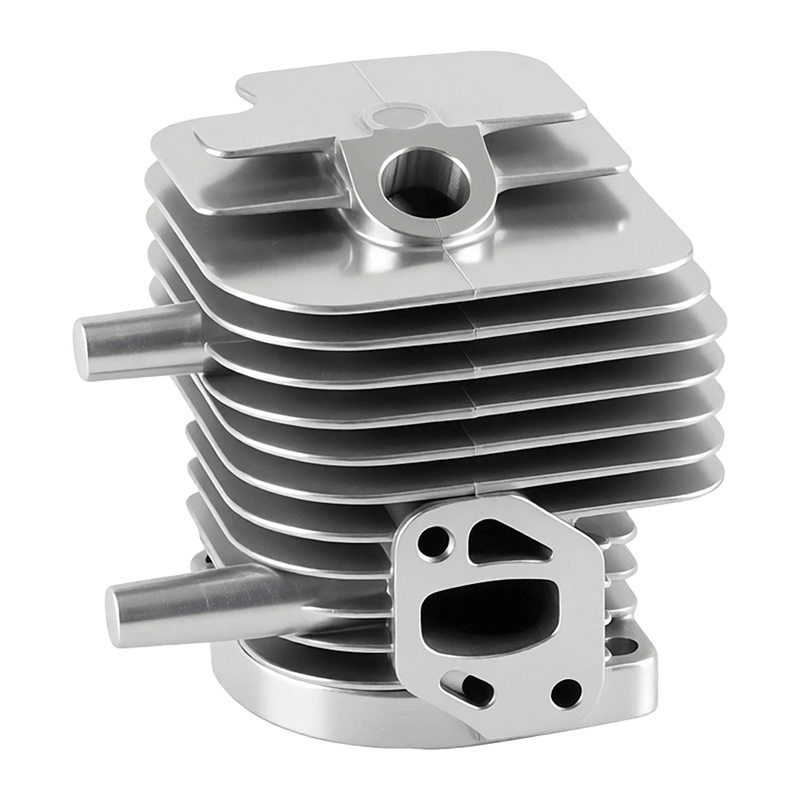
Die Casting Parts For Motorcycle
Reducing vehicle weight is a continuing objective in motorcycle engineering. Lower weight can support improved fuel economy, acceleration, maneuverability, braking response, and rider comfort. Aluminum alloy die casting allows manufacturers to create components that are lighter than many iron or steel alternatives while retaining useful strength and stiffness for the intended application.
Weight reduction should not be pursued by simply making every wall thinner. A reliable design uses ribs, curved transitions, local reinforcement, and integrated mounting structures to place material where it is most effective. Die casting provides the geometric freedom needed to create these features efficiently and consistently.
Motorcycle components often need to combine several functions within a compact envelope. A die cast part may include mounting bosses, reinforcing ribs, cable supports, protective walls, locating features, and access openings in a single component. This integration can reduce the number of separate parts, fasteners, and assembly steps.
Fewer components can simplify inventory management and reduce the possibility of assembly errors. It may also create a cleaner product structure and improve service accessibility. However, integrated designs require careful mold engineering because complex geometry can make filling, ejection, cooling, and machining more difficult. This is why early cooperation between the customer’s design team and the mold manufacturer is valuable.
Once a die casting mold has been properly designed, tested, and validated, it can produce a large number of substantially consistent parts. This repeatability is important for motorcycle manufacturers that need stable fit and function across production batches. Consistent part geometry also supports more predictable machining, assembly, and quality inspection.
Repeatability depends on more than the mold itself. It is influenced by alloy control, metal temperature, injection parameters, mold temperature, spray practice, cycle time, machine condition, trimming accuracy, machining tools, and operator procedures. A supplier with standardized management and documented process controls is better positioned to maintain stable output over time.
Die casting produces components close to their final form, which can reduce the amount of material removed during machining compared with manufacturing a complete component from a solid billet. The resulting material efficiency can support lower production costs and shorter machining cycles, particularly for complex housings and covers.
Material efficiency also depends on the design of runners, overflows, gates, and trimming operations. These features are necessary for successful casting but should be engineered carefully. Where appropriate, recyclable process material can be managed according to the selected alloy and production requirements.
Die casting can produce a relatively smooth and consistent surface suitable for many visible and functional motorcycle components. A well-designed mold, controlled filling process, and appropriate finishing method can deliver a surface that supports painting, powder coating, polishing, plating, or other specified treatments.
Appearance requirements should be defined clearly at the beginning of a project. Different areas of the same component may have different standards for visible marks, parting lines, ejector marks, machining traces, or minor cosmetic variation. A professional supplier can help establish practical acceptance criteria based on the component’s location and function.
Motorcycle programs often require regular and repeatable production over an extended period. Die casting is suitable for such applications because automated or semi-automated production can provide efficient cycle times and consistent output. Automated trimming and other downstream operations can further reduce manual handling and improve production stability.
Motorcycle parts are not isolated products. They are components within a larger vehicle system, and their performance depends on fit, material, surface treatment, dimensional accuracy, and supply consistency. Selecting a supplier solely according to unit price may create hidden costs when tooling modifications, unstable quality, delayed delivery, or machining problems appear later.
A capable supplier should be able to review product drawings, identify manufacturability concerns, recommend suitable draft and wall-thickness strategies, consider shrinkage and distortion, and explain how the component will be inspected. It should also have the equipment and experience to convert the approved design into a stable production process.
Integrated manufacturing is particularly valuable for motorcycle die casting parts because the mold and casting process are closely connected. A mold manufacturer that also operates die casting and finishing capabilities can receive direct feedback from production. This feedback can improve tool design, reduce trial-and-error cycles, and make corrective actions more efficient.
The process begins with a review of the customer’s drawings, three-dimensional data, samples, specifications, and intended application. Engineers examine the component’s functional requirements, material expectations, critical dimensions, tolerance zones, visible surfaces, assembly interfaces, and estimated production volume.
At this stage, the supplier may identify design features that could affect casting quality or tool life. Examples include insufficient draft, isolated thick sections, sharp internal corners, deep narrow cavities, difficult ejection areas, and inaccessible machining surfaces. Early recommendations can prevent expensive mold changes after tool construction.
For OEM and ODM projects, the supplier may participate in product development and propose adjustments intended to improve manufacturability without compromising the customer’s functional requirements. Engineering communication should be based on documented drawings and revision control so that every party works from the same approved information.
Mold-flow analysis is an important engineering tool for complex die casting parts. It enables designers to visualize how molten metal may fill the cavity, where air could become trapped, how different sections may solidify, and where thermal concentrations could develop.
The analysis can support decisions concerning gate location, runner layout, overflow placement, venting, cooling channels, wall transitions, and local reinforcement. It does not eliminate the need for physical trials, but it provides a stronger basis for mold design and may reduce the number of corrections required during sampling.
For motorcycle components with thin walls or complex internal structures, a carefully reviewed filling pattern can be especially important. A design that looks acceptable in a three-dimensional model may still create practical casting difficulties if the metal must travel too far, change direction abruptly, or fill sections at significantly different times.
After the product design is confirmed, engineers develop the die casting mold. The mold must provide the required cavity shape, parting arrangement, runner and gate system, venting, cooling, ejection, and maintenance access. Tool steel selection and machining quality influence mold durability and dimensional stability.
High-precision CNC machining centers are used to manufacture mold components and other precision tooling elements. Electrical discharge machining can produce intricate details, deep features, and geometries that are difficult to create using conventional cutting tools. The combination of CNC machining and EDM supports accurate reproduction of complex mold surfaces.
Mold assembly requires careful fitting and verification. The moving and fixed halves must align properly, ejector systems must operate smoothly, and cooling circuits must be checked for functionality. Before production release, the mold is tested to confirm filling, ejection, trimming conditions, dimensions, and visual quality.
During die casting, the selected aluminum alloy is melted and prepared according to controlled process requirements. The molten metal is injected into the mold at high speed and pressure. The mold extracts heat from the metal, allowing the component to solidify into the designed shape.
Important process variables include alloy condition, metal temperature, mold temperature, injection speed, pressure, filling time, intensification behavior, lubrication or release-agent application, and cycle time. Stable control of these variables helps reduce variation and supports consistent product quality.
Machine selection should correspond to the component’s projected area, volume, geometry, and production requirements. The casting machine must provide sufficient injection capability and clamping force while maintaining stable operation. Operators and process engineers monitor the condition of equipment and tooling to identify abnormalities before they affect a large batch.
After casting, excess material from runners, gates, overflows, and flash must be removed. Automated trimming lines can improve consistency and reduce labor intensity, especially when the part geometry and production volume are suitable for automation.
Deburring removes sharp edges and residual flash that could interfere with assembly, handling, appearance, or safety. The trimming method must be selected according to the component’s shape. Excessive force or inaccurate tooling can damage functional surfaces, so trimming dies and process settings should be verified carefully.
Many motorcycle die casting parts require secondary machining. CNC machining can provide accurate holes, bores, threads, sealing faces, mounting surfaces, bearing seats, and locating features. Machining allowances must be considered during the original casting and mold design.
Good process planning establishes reliable datums and ensures that the part is held securely without deformation. Cutting tools, fixture design, coolant management, and tool wear monitoring all influence the final result. Where a part has several critical relationships, machining operations should be sequenced to maintain positional accuracy.
Additional operations may include drilling, tapping, milling, grinding, polishing, leak testing, assembly, or surface treatment. The exact process depends on the part’s drawing and intended use. A supplier that can coordinate these operations internally can simplify project management and reduce the number of external handoffs.
Motorcycle components may require surface finishing for appearance, corrosion resistance, wear performance, or compatibility with other parts. Possible treatments include cleaning, polishing, powder coating, painting, plating, or other customer-specified processes.
Surface preparation is essential. Casting residues, burrs, oil, and contaminants must be removed before coating or finishing. The supplier should control the appearance and coverage requirements according to the customer’s specification, including color, gloss, texture, thickness, and acceptable visual limits where applicable.
Quality inspection may cover dimensions, appearance, material condition, machining accuracy, surface treatment, and functional performance. Inspection tools can include calipers, micrometers, height gauges, coordinate measuring equipment, gauges, thread gauges, leak-testing equipment, and other testing instruments appropriate to the product.
Critical dimensions should be identified in advance and linked to the part’s functional requirements. Inspection results should be recorded according to the supplier’s quality procedures. If a deviation is detected, the supplier should investigate the cause, isolate affected material, and implement corrective action.
Quality cannot be added only at the end of production. It should be built into product design, mold design, process planning, equipment maintenance, operator training, and inspection. This approach is supported by standardized management systems such as ISO 9001 and automotive-oriented quality systems such as IATF 16949.
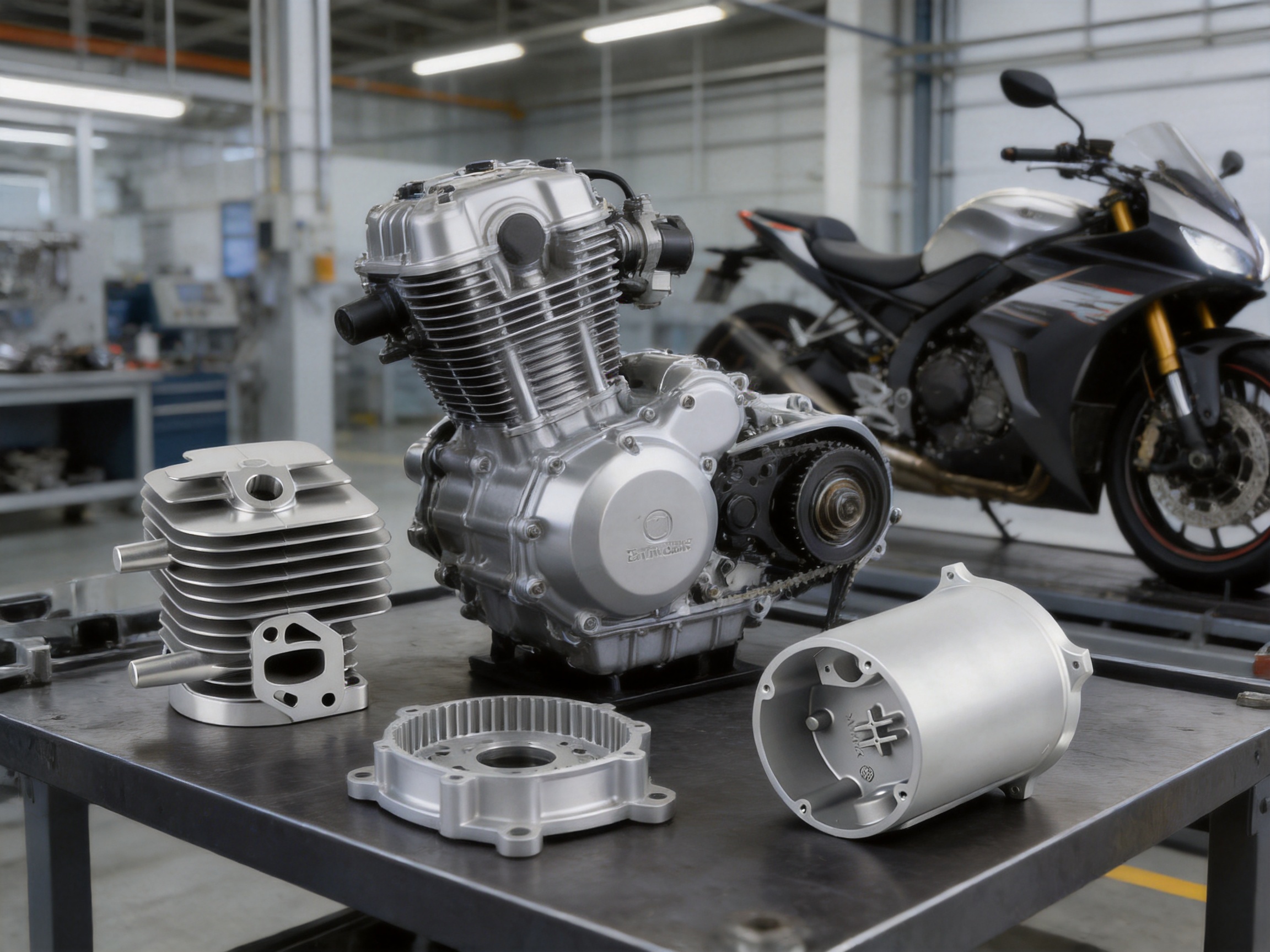
Ningbo Dinghong Mould Co., Ltd. combines mold design, mold manufacturing, die casting, finishing, and trade within one manufacturing organization. This integration supports direct communication between design engineers, tooling personnel, casting operators, machining teams, and quality personnel.
When a casting issue is related to a tool feature, the teams can evaluate the relationship more directly. When a machining concern originates from a casting condition, the issue can be reviewed across the complete process instead of being passed between unrelated suppliers. This can improve response speed and support more practical solutions.
The company has an experienced design team supported by advanced software and engineering systems. Engineering experience is valuable when translating customer requirements into a production-ready mold. It helps the supplier anticipate issues involving parting lines, draft, shrinkage, ejection, cooling, machining, and inspection.
Experience also supports effective communication with customers. A supplier should be able to explain why a design change is being recommended, what benefit it may provide, and whether it affects appearance, cost, tool life, or performance. Clear technical communication is especially important when the customer is developing a new motorcycle platform or a revised component.
The company operates a manufacturing facility of approximately 15,000 square meters. Its equipment includes high-precision CNC machining centers, EDM equipment, die casting machines, automated trimming lines, and other production and testing equipment.
This equipment base supports the complete manufacturing chain from tooling to finished aluminum alloy components. High-precision machining contributes to mold accuracy, EDM supports complex details, die casting machines provide the forming capability, and automated trimming improves downstream consistency.
Ningbo Dinghong Mould Co., Ltd. has obtained ISO 9001 and IATF 16949 quality management system certifications. These systems provide a structured framework for process control, documentation, corrective action, supplier management, customer communication, and continual improvement.
For motorcycle customers, standardized procedures can be particularly valuable when the product is supplied over a long period or used across multiple vehicle variants. Controlled revisions, traceable inspection records, and defined production procedures help reduce uncertainty during repeat orders.
The company manufactures automotive parts, household appliance parts, telecommunications parts, and other aluminum alloy products. It also provides components for new-energy, photovoltaic, electrical, motorcycle, pump and valve, fitness equipment, robotic, and related industries.
Cross-industry experience can strengthen manufacturing knowledge because different applications impose different requirements. Automotive and motorcycle products may emphasize repeatability and functional accuracy, telecommunications products may require compact housings and appearance quality, while pump and valve products may require careful attention to sealing and pressure-related interfaces. Experience across these areas can support broader problem-solving capability.
With mold design, tooling, casting, and finishing handled within an integrated organization, customers can communicate with a coordinated technical team. This may reduce delays caused by transferring information between separate companies and can make design reviews more productive.
The mold has a direct influence on casting quality. When the same organization designs and manufactures the mold and also produces the casting, it can maintain stronger feedback between tool performance and product results. This relationship can support more efficient corrections during sampling and production.
A customer working with several independent suppliers may need to coordinate mold manufacturing, casting, trimming, machining, finishing, inspection, packaging, and logistics separately. An integrated supplier can consolidate more of these activities, reducing the number of interfaces that the customer must manage.
OEM projects require production according to customer drawings and specifications. ODM projects may require greater participation in product development, design improvement, and manufacturing optimization. A supplier with engineering, tooling, and production resources can support either model, depending on the customer’s level of involvement.
When several process stages are managed under one production system, scheduling and capacity can be coordinated more effectively. This does not remove the need for careful planning, but it can help reduce delays caused by poor handoffs or conflicting priorities among different subcontractors.
Uniform wall thickness generally supports more consistent filling and solidification. Sudden changes between thin and thick sections may create local thermal differences, shrinkage risk, or distortion. Where thickness changes are necessary, gradual transitions and appropriate reinforcement should be considered.
Draft angles help the casting release from the mold without damage. The required draft depends on the surface depth, texture, alloy, mold design, and customer requirements. Adequate draft can improve tool life and reduce ejection problems.
Ribs can improve stiffness without adding excessive mass. They should be designed with appropriate thickness, height, spacing, and transition radii. Poorly designed ribs may create thick intersections or difficult filling conditions, so they must be reviewed together with the casting process.
Sharp internal corners can increase stress concentration and complicate metal flow. Proper fillets and smooth transitions can improve structural behavior and mold durability. The appropriate radius depends on the part’s function, geometry, and machining requirements.
Critical surfaces that will be machined must include suitable allowances. Excessive allowance increases machining time and material use, while insufficient allowance may prevent the surface from being cleaned or brought to the required dimension. The allowance should be determined according to casting capability, tolerance requirements, and the selected machining process.
Parting lines should be positioned in locations that do not interfere with assembly, sealing, appearance, or operator handling. Ejector marks should also be considered during product design, especially for visible motorcycle components. Early agreement on acceptable locations can avoid later cosmetic disputes.
Housings and covers that retain oil, coolant, air, or other media may require sealing surfaces and leak testing. The casting design, machining plan, surface condition, and inspection method must be considered together. If a leak-tight requirement exists, it should be stated clearly in the technical documentation.
Quality control begins with incoming material and continues through every manufacturing stage. Aluminum alloy composition and material condition should conform to the agreed specification. Tooling should be inspected and maintained so that cavity dimensions, cooling performance, and ejection remain stable.
During die casting, process parameters should be monitored to identify changes that could affect product quality. Operators should watch for abnormalities such as excessive flash, incomplete filling, surface defects, deformation, unstable cycle times, or unusual machine behavior. Early detection can prevent large quantities of nonconforming products.
After trimming, the part should be checked for residual flash, damage, and correct removal of runners and overflows. During machining, fixtures and tools should be controlled to maintain dimensional accuracy. Tool wear can gradually affect hole size, surface finish, and positional accuracy, so an appropriate tool replacement or verification plan is necessary.
Final inspection should reflect the customer’s drawing and functional requirements. Not every dimension has the same importance. Critical dimensions, assembly interfaces, sealing areas, and safety-related features should receive appropriate inspection attention. Records should be retained according to the quality system and customer requirements.
Continuous improvement is another important aspect of quality. When a defect occurs, the objective should not be limited to correcting one batch. The supplier should identify the underlying cause, determine whether similar products could be affected, and improve the relevant design, tooling, process, training, or inspection control.
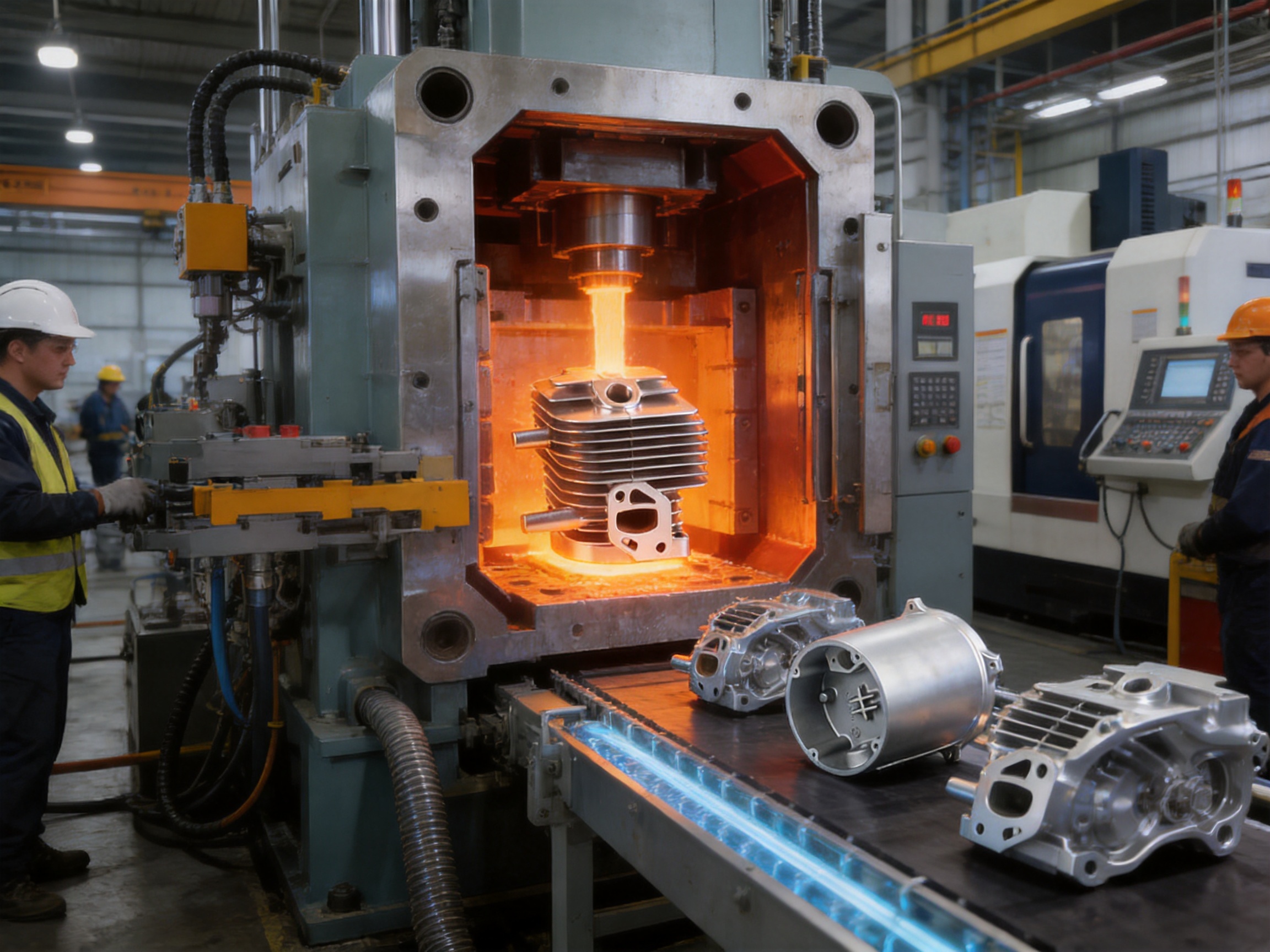
Die casting motorcycle parts are used by vehicle manufacturers, motorcycle assembly companies, component brands, repair and replacement-part suppliers, and engineering firms developing new two-wheeler products. Customers may require prototype tooling, low-volume trial parts, mass-production molds, replacement tooling, or long-term supply programs.
For a new project, the customer should provide available three-dimensional data, two-dimensional drawings, material requirements, surface-finish expectations, annual volume, inspection standards, and packaging requirements. If some information is not yet available, an experienced supplier can help identify the missing decisions and establish a development plan.
For replacement or reverse-engineered parts, the supplier may need physical samples, dimensional data, photographs, performance information, or assembly details. The objective is not simply to copy the external shape. The replacement component must also be manufacturable, sufficiently strong, compatible with related components, and suitable for repeatable production.
For global customers, export experience and communication capability are important. Ningbo Dinghong Mould Co., Ltd. serves markets in China, South America, Southeast Asia, and other international regions, with plans to expand into additional markets. Its location in Ningbo, near Beilun Port, provides access to an important manufacturing and shipping area for international business.
Customers can evaluate potential suppliers using several practical questions. Does the supplier design and manufacture molds internally? Can it provide mold-flow analysis? Does it operate suitable die casting machines and machining equipment? Can it handle trimming and surface treatment? Are its quality systems documented and certified? Can it provide inspection reports and process feedback?
It is also useful to review the supplier’s experience with similar materials, geometries, production volumes, and industries. A supplier may be capable of producing simple castings but less prepared for thin-wall housings, complex covers, precision mounting structures, or components requiring extensive machining.
Communication during the quotation stage can reveal much about technical capability. A strong supplier asks relevant questions about tolerances, performance, appearance, assembly, and expected production life. It should be willing to identify risks instead of accepting every design without review. A realistic quotation should explain tooling scope, secondary operations, inspection requirements, packaging, and expected development stages.
Customers should also consider long-term support. Motorcycle programs may require engineering changes, service parts, repeat tooling, additional production capacity, or modifications for different models. A supplier capable of maintaining technical records and supporting product revisions can provide greater value throughout the product life cycle.
Die casting motorcycle parts are components formed by injecting molten metal, commonly an aluminum alloy, into a precision mold under controlled pressure. They may be used in engine, transmission, running, control, and electrical systems.
Aluminum alloy offers low density, useful strength, good castability, thermal conductivity, and suitability for complex shapes. These properties make it appropriate for lightweight housings, covers, brackets, supports, and other motorcycle components.
Yes. An integrated supplier can design and manufacture the mold, perform die casting, trim and machine the parts, apply finishing treatments, and complete quality inspection. This can simplify communication and improve control between tooling and production.
Yes. OEM production is based on customer drawings, specifications, samples, and quality requirements. The supplier may also recommend manufacturability improvements after reviewing the design.
OEM parts are manufactured according to the customer’s established design and specifications. ODM projects generally involve greater supplier participation in product development, design optimization, mold engineering, and manufacturing recommendations.
Many parts require secondary machining for holes, threads, bores, sealing faces, bearing seats, datum surfaces, or other precision interfaces. The extent of machining depends on the component’s drawing and functional requirements.
Mold-flow analysis helps engineers evaluate filling behavior, potential air entrapment, weld-line locations, solidification patterns, thermal concentrations, and other risks before the mold is manufactured. It supports more informed decisions about gates, runners, vents, overflows, and cooling channels.
Ningbo Dinghong Mould Co., Ltd. has obtained ISO 9001 and IATF 16949 quality management system certifications. These systems support documented procedures, process control, corrective action, and continual improvement.
Yes. Depending on the specification, components may receive cleaning, polishing, painting, powder coating, plating, or other surface treatments. Surface quality and treatment requirements should be defined during the quotation and engineering stages.
Useful information includes three-dimensional files, two-dimensional drawings, material requirements, annual or monthly volume, critical tolerances, surface-finish expectations, leak or strength requirements, inspection standards, packaging needs, and delivery expectations.
Defect reduction depends on product design, mold-flow analysis, correct gate and vent design, stable alloy preparation, controlled machine parameters, mold-temperature management, suitable trimming, effective inspection, and continuous process improvement.
Yes. With controlled specifications, documented quality procedures, suitable packaging, and reliable logistics, die casting motorcycle parts can be supplied to international customers. Export experience and proximity to a major port can also support international delivery.
Die casting motorcycle parts provide an effective solution for producing lightweight, accurate, complex, and repeatable components. They support the engine, transmission, running, control, and electrical systems of modern motorcycles and can be adapted to many different vehicle designs and production volumes.
The strongest results come from treating die casting as a complete engineering and manufacturing process rather than a single forming operation. Product design, mold-flow analysis, tooling, alloy control, injection parameters, trimming, machining, surface treatment, inspection, and delivery must work together. Supplier integration is therefore a major advantage for customers seeking dependable quality and efficient project management.
Ningbo Dinghong Mould Co., Ltd. combines mold design, mold manufacturing, die casting, finishing, testing, and quality management to support OEM and ODM motorcycle component projects. Its experienced design team, mold-flow capabilities, CNC machining centers, EDM equipment, die casting machines, automated trimming lines, standardized quality systems, and broad industrial experience provide a strong foundation for manufacturing aluminum alloy motorcycle parts.
By cooperating with a technically capable and quality-focused manufacturer, motorcycle companies can improve product consistency, reduce development risks, optimize component structures, and establish a dependable long-term supply relationship. For customers seeking custom die casting motorcycle parts, the combination of engineering support, modern equipment, integrated production, and controlled quality is essential to achieving reliable performance in the finished vehicle.
1. Aluminum Association, Aluminum Standards and Data, industry reference materials on aluminum alloy properties and applications.
2. International Organization for Standardization, ISO 9001, Quality Management Systems—Requirements.
3. International Automotive Task Force, IATF 16949, Quality Management System Requirements for Automotive Production and Relevant Service Parts Organizations.
4. American Foundry Society, technical publications on nonferrous metal casting, die casting processes, and casting quality control.
5. NADCA, Product Specification Standards for Die Castings, guidelines for die casting design, tolerances, materials, and production practices.
6. ASM International, casting technology references covering aluminum alloys, mold design, solidification, machining, and surface finishing.
Materials & Manufacturing Yes, Aluminum Die Casting Parts are consistently lighter than Cast Iron Parts when engin...
READ MOREDie casting automotive parts are made by forcing molten metal into a steel mold under high pressure, where it fills t...
READ MOREBefore a part ever reaches production, every buyer eventually asks the same question: should this component be injectio...
READ MORETwo quotations for the same aluminum controller housing can differ by 20% or more, even when both suppliers list the sa...
READ MORE

Sun Yuejun: +86-13806631860
Wang Shiyong: +86-15958891460 / 15058297768
Dove Yao: +86-18625086675


Copyright © Ningbo Dinghong Mould Co., Ltd. Rights Reserved. Custom Precision Die Casting Aluminum Alloy Parts Manufacturers
