
 English
 Español
 русский
 Français

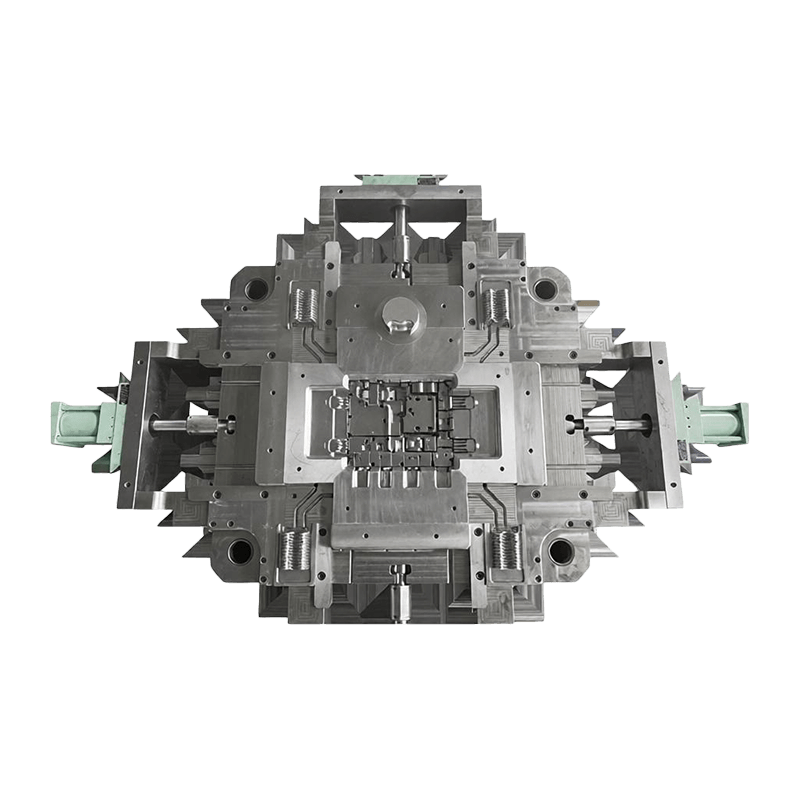

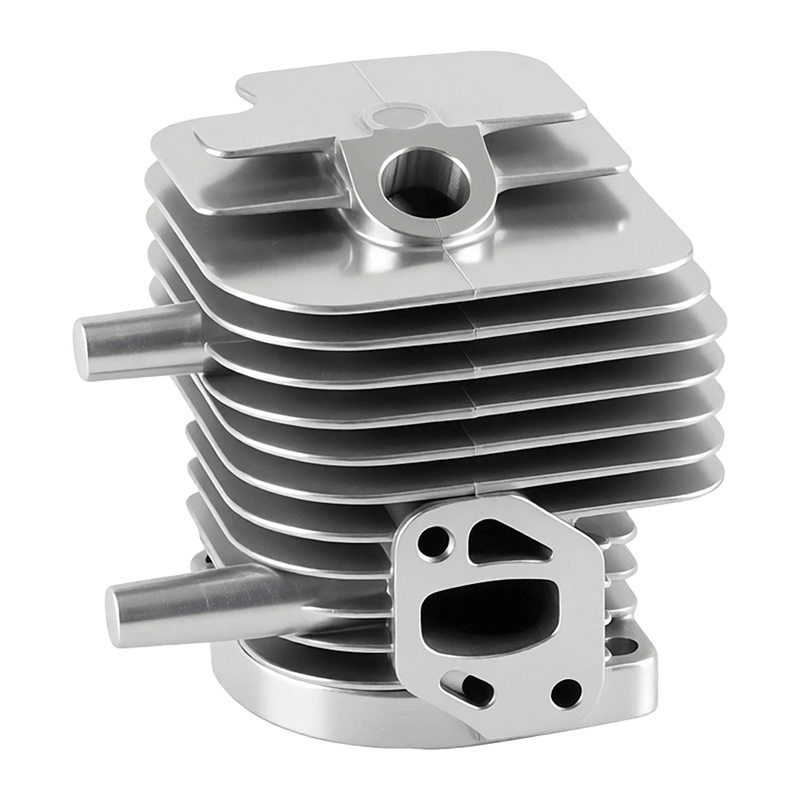
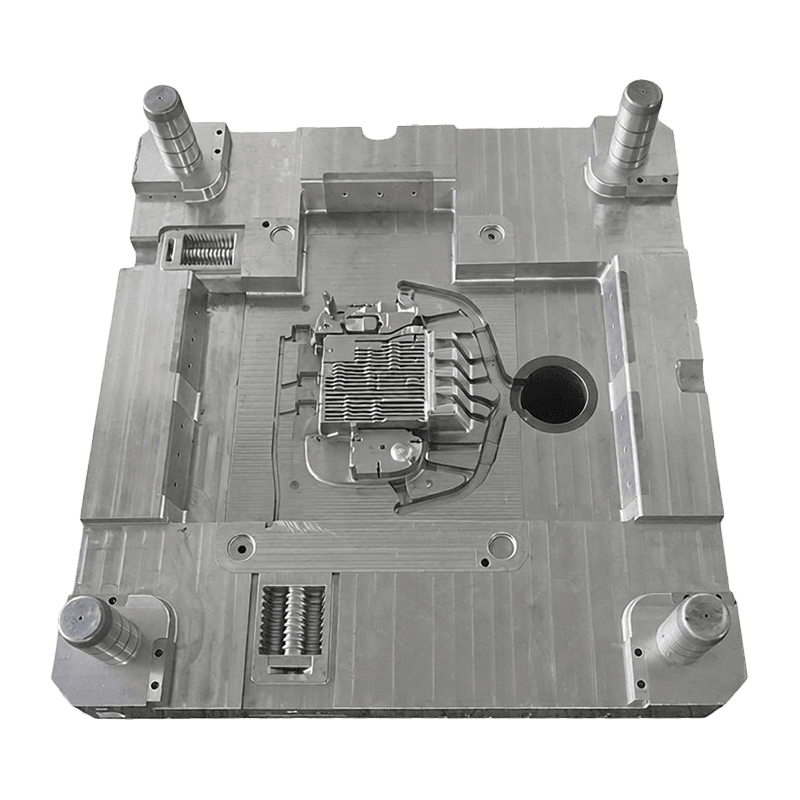
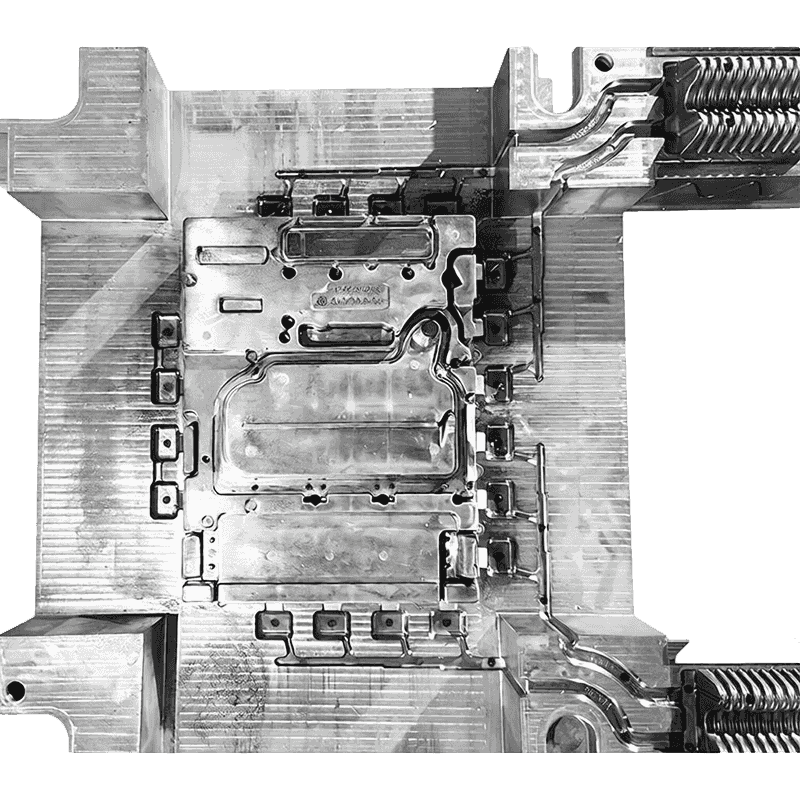
Die casting automotive parts are made by forcing molten metal into a steel mold under high pressure, where it fills t...
READ MORE
Content
Modern automotive systems depend on compact mechanical components that can operate reliably under variable loads, vibration, heat, dust, moisture, and repeated movement. Although a shaft bearing plate may appear simple compared with a complete transmission or engine assembly, its performance can influence alignment, friction, service intervals, and the overall durability of the equipment. A poorly designed plate can allow excessive movement, accelerate wear, permit contaminants to enter the bearing area, or require frequent replacement. A properly engineered plate helps maintain stable shaft support while contributing to efficient and dependable operation.
The T0089151-M2 Shaft Bearing Plate is developed for demanding automotive and die-casting applications where both radial and axial forces must be managed in a confined installation space. Its design combines a high-hardness, wear-resistant working surface with a structure intended to resist pollutant ingress. Compared with conventional sliding-bearing plates and ordinary steel plates, the product is positioned as a longer-lasting and more maintenance-efficient solution. Under comparable operating conditions, its service life is approximately 40% longer than that of ordinary steel plates.
This article examines the functional value of the T0089151-M2 bearing plate, its advantages over conventional alternatives, and the manufacturing capabilities that support its consistency. It also explains how mold design, die casting, finishing, inspection, and quality management contribute to the production of dependable automotive components.
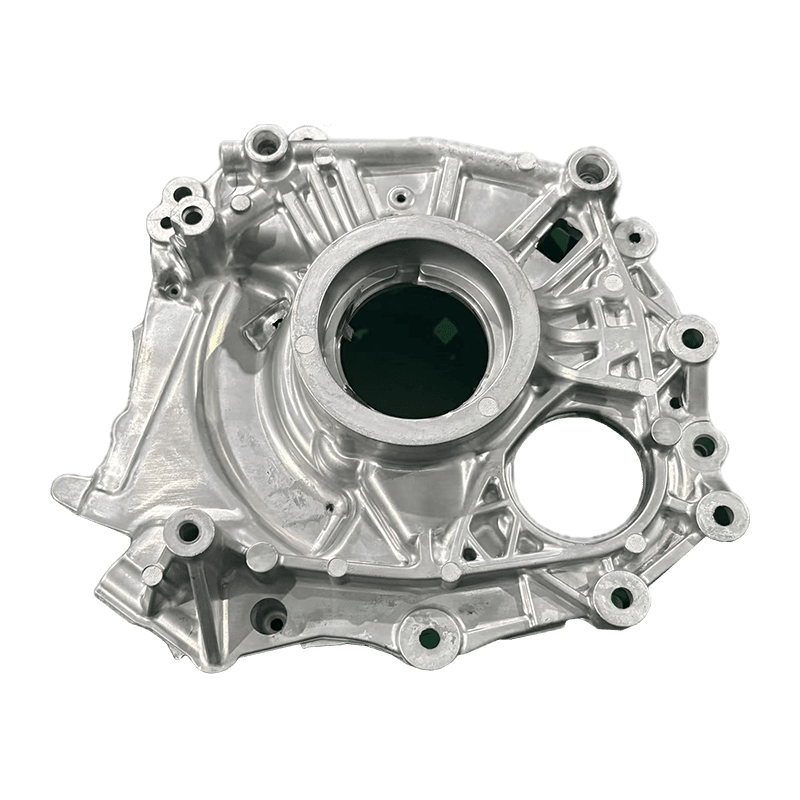
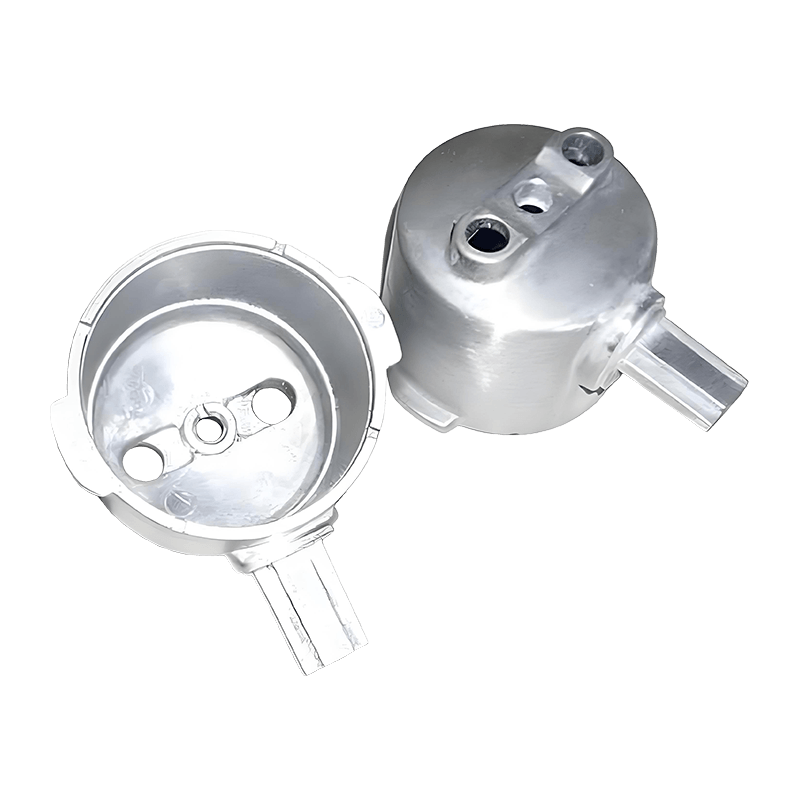
T0089151-M2 Shaft Bearing Plate
A shaft bearing plate is used to support or guide a rotating or oscillating shaft within a mechanical assembly. Depending on the application, the component may help control shaft position, distribute contact pressure, limit friction, and protect surrounding parts from excessive mechanical stress. In automotive systems, these requirements can become more demanding because components are exposed to frequent load changes and repeated operating cycles.
Radial loads act perpendicular to the shaft axis. They can be generated by belt tension, gear engagement, rotating imbalance, external vibration, or the weight of connected components. Axial loads act along the shaft axis and may result from helical gears, thermal expansion, assembly forces, hydraulic pressure, or changes in the direction of movement. A bearing plate that must handle both types of forces needs stable geometry, suitable surface hardness, and dependable resistance to deformation and wear.
Conventional sliding-bearing plates may perform adequately in moderate conditions, but their limitations become more noticeable when operating loads increase or when contamination is present. Soft or insufficiently hardened surfaces may develop grooves, scoring, or deformation. As clearance changes, the shaft may move away from its intended position. This can increase noise, vibration, friction, and stress on adjacent components.
The T0089151-M2 Shaft Bearing Plate is designed to address these challenges through a combination of load-bearing capability, surface durability, and contamination resistance. Its ability to withstand radial and axial loads simultaneously makes it suitable for assemblies in which space, weight, and reliability are important design considerations.
The T0089151-M2 Shaft Bearing Plate belongs to the die-casting fuel automotive parts category and is manufactured for precision mechanical applications. Its primary functional characteristics include simultaneous radial and axial load support, a high-hardness wear-resistant surface, an extended service life, and a design that helps resist dust and other contaminants.
The component is intended for use in systems where the bearing area may be exposed to harsh operating conditions. Such conditions can include dust, suspended particles, oil residues, vibration, temperature variation, repeated starts and stops, and long operating cycles. The product’s contamination-resistant design helps reduce the possibility of pollutant ingress into the working interface.
While the exact alloy, dimensional tolerances, surface specifications, and installation details should be confirmed against the customer’s engineering drawings, the product is manufactured within a broader capability covering aluminum alloy die-casting products, automotive components, molds, finishing, and precision inspection. This provides a practical foundation for adapting the bearing plate to specific vehicle platforms or mechanical assemblies.
| Product Attribute | Application Value |
|---|---|
| Product name | T0089151-M2 Shaft Bearing Plate |
| Product category | Die casting fuel automotive parts |
| Primary load capability | Designed to withstand radial and axial loads simultaneously |
| Working surface | High-hardness, wear-resistant surface |
| Comparative service life | Approximately 40% longer than ordinary steel plates under comparable conditions |
| Environmental protection | Dust and contamination-resistant design |
| Manufacturing support | Mold design, mold flow analysis, die casting, finishing, trimming, inspection, and quality control |
| Typical industries | Automotive, new-energy, electrical, machinery, and related precision equipment applications |
The value of the bearing plate is not limited to the material or shape of the finished part. The quality of a die-cast automotive component depends on the relationship between part design, mold construction, alloy behavior, process control, finishing, and inspection. A well-designed part produced through a poorly controlled process may still suffer from porosity, dimensional variation, surface defects, or premature wear. For this reason, product performance must be considered together with the manufacturing system behind it.
One of the most important advantages of the T0089151-M2 bearing plate is its ability to withstand radial and axial loads at the same time. In practical applications, loads rarely occur in isolation. A shaft may experience lateral force from a rotating assembly while also being pushed or pulled along its axis. A component that is designed only for one load direction can become unstable when exposed to combined loading.
Combined-load capability helps maintain the position of the shaft and distribute force more evenly across the working area. This can reduce localized contact pressure and minimize the risk of premature surface damage. It also helps the assembly remain stable during changes in speed, direction, or operating load.
Compared with a basic sliding plate that mainly accommodates radial movement, a combined-load bearing plate can provide broader functional support. It may reduce the need for additional components used solely to resist axial displacement, depending on the architecture of the customer’s assembly. Reducing the number of separate elements can simplify installation and may support a more compact design.
Load performance is affected by many factors, including shaft diameter, contact area, operating speed, lubrication, temperature, alignment, applied force, and mounting accuracy. The bearing plate should therefore be evaluated as part of the complete assembly rather than as an isolated component. Nevertheless, a plate designed for combined loading gives engineers a stronger starting point when developing compact and highly integrated automotive mechanisms.
In applications with repeated acceleration and deceleration, combined-load support can be especially valuable. Rapid changes in motion may create temporary force peaks that are not apparent during static inspection. A component with suitable hardness and stable geometry is better positioned to absorb these changes without developing rapid wear or excessive clearance.
The surface of a bearing component is the area most directly exposed to friction, contact pressure, vibration, and sliding or oscillating movement. Surface hardness is therefore a major factor in service life. A high-hardness, wear-resistant surface helps resist indentation, scoring, abrasion, and deformation during repeated operation.
Ordinary steel plates may provide acceptable performance in low-demand situations, but their service life can be limited when the working interface is exposed to continuous friction or contamination. As wear develops, the original geometry of the contact area changes. The resulting clearance may allow greater shaft movement, which can increase vibration and place additional stress on surrounding components.
The T0089151-M2 bearing plate is specified with a high-hardness wear-resistant surface intended to maintain its working condition over an extended period. Based on the supplied product information, its service life is approximately 40% longer than that of ordinary steel plates under comparable operating conditions. This comparison should be understood as application-dependent because actual service life is influenced by load, speed, lubrication, alignment, temperature, cleanliness, and maintenance practice.
A longer-lasting surface can create several practical benefits. First, it can help preserve the original fit between the shaft and bearing area. Second, it can reduce the frequency of replacement. Third, it may limit secondary damage caused by worn components, such as shaft scoring, uneven force distribution, and increased vibration. Finally, it can support more predictable maintenance planning for fleets, production equipment, and industrial systems.
Wear resistance is not achieved by hardness alone. Excessive hardness without suitable toughness may lead to cracking or chipping under impact. A dependable bearing plate must balance surface durability with structural integrity and dimensional stability. This is why mold design, material selection, casting parameters, finishing procedures, and inspection results all influence the final performance of the product.
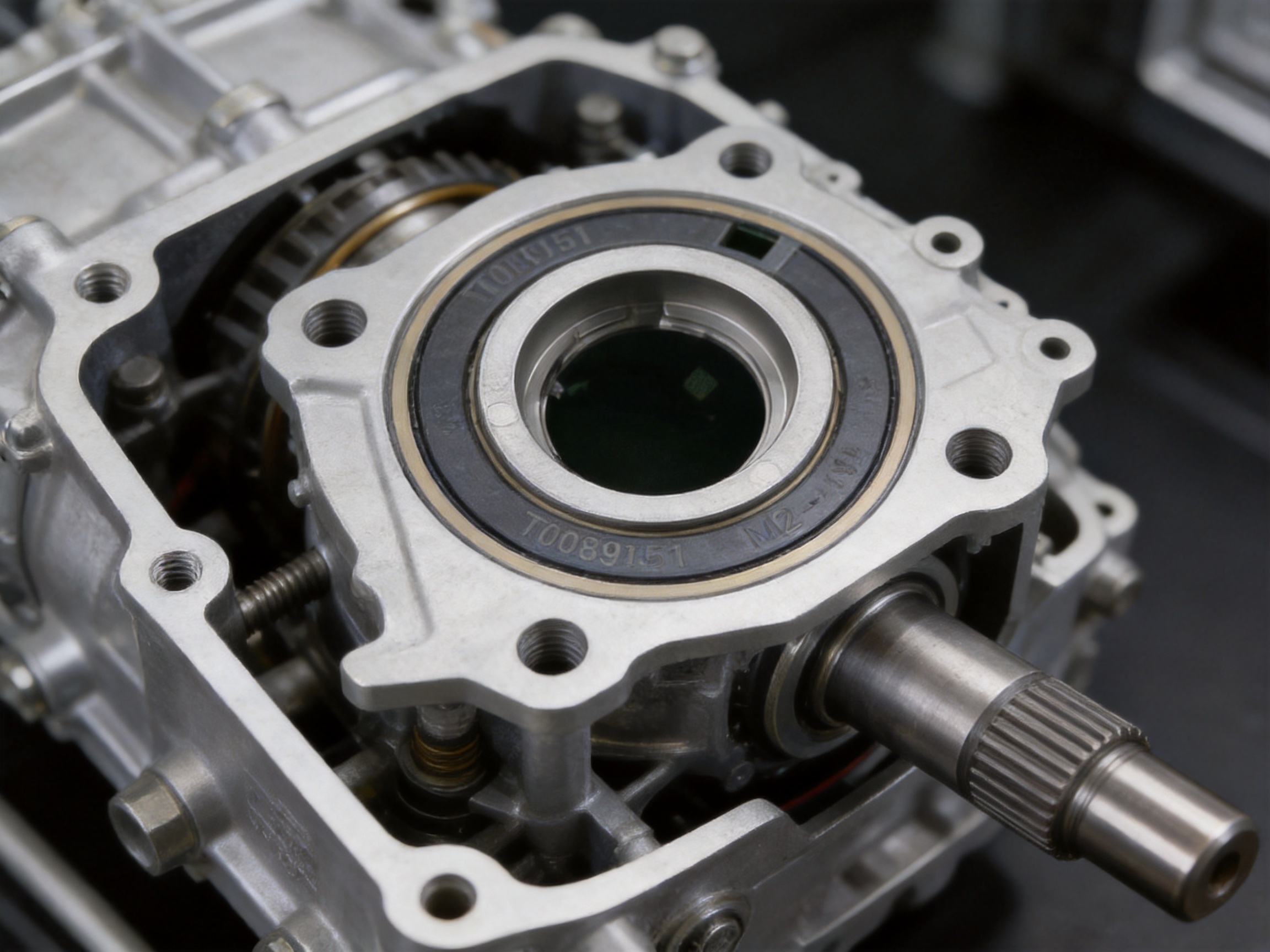
Dust, metal particles, moisture, oil residue, and other pollutants can significantly affect a bearing interface. Contaminants may enter through gaps, damaged seals, poor assembly practices, or exposure to an unclean working environment. Once inside the contact area, hard particles can act as abrasive media and accelerate wear. Fine dust can also mix with lubricant and form a damaging paste that increases friction.
The T0089151-M2 bearing plate incorporates a dust and contamination-resistant design to help prevent pollutant ingress. This feature is particularly relevant to automotive applications, off-road equipment, production machinery, and other systems that may operate in environments where complete cleanliness cannot be guaranteed.
Contamination resistance can support several aspects of component reliability. It can help protect the working surface from abrasive particles, preserve lubricant performance, and reduce the risk of unexpected friction increases. It can also help maintain more stable operating characteristics over the maintenance cycle.
The design should be considered together with the customer’s sealing and installation system. No individual component can eliminate all environmental risks if the complete assembly has an exposed opening, damaged seal, incorrect clearance, or poor maintenance procedure. However, a bearing plate designed to resist pollutant ingress provides an important additional line of protection.
For vehicle manufacturers and equipment operators, contamination resistance may be especially useful when the cost of unplanned maintenance is high. A component that continues to operate reliably in a dusty or polluted environment can reduce downtime and provide greater confidence in the complete system. It may also help extend the interval between inspections, although the recommended maintenance schedule should always be determined through application testing and engineering evaluation.
Maintenance cost is determined by more than the purchase price of an individual component. It may include labor, equipment downtime, replacement parts, transportation, inspection, and the risk of damage to related components. A bearing plate with an extended working life can therefore provide value throughout the entire product lifecycle.
The T0089151-M2 bearing plate is designed to support a longer maintenance cycle than ordinary steel plates. Its wear-resistant surface helps slow the development of contact damage, while its contamination-resistant structure helps protect the working interface. Together, these features can contribute to more stable performance between maintenance events.
For automotive manufacturers, a longer maintenance cycle may support warranty management and customer satisfaction. For commercial fleets, it can reduce the frequency of service interruptions. For industrial users, it can help align component replacement with planned shutdowns rather than emergency repairs.
Longer service life also has a potential sustainability benefit. When a component lasts longer, fewer replacement parts may be required over the life of the equipment. This can reduce material consumption, packaging requirements, transportation activity, and waste. The environmental benefit depends on the full manufacturing and operating lifecycle, but durability is an important part of responsible product design.
Lifecycle value should always be confirmed through application-specific testing. Engineers may evaluate wear depth, friction behavior, temperature rise, dimensional stability, contamination tolerance, and load performance under simulated operating conditions. The manufacturer can support this evaluation by reviewing drawings, operating parameters, inspection requirements, and test criteria before mass production.
The main competitive advantage of the T0089151-M2 product is its combination of functions. A conventional plate may offer basic support, but the T0089151-M2 is designed to address combined loading, surface wear, environmental contamination, and maintenance frequency in one component.
Compared with a basic sliding-bearing plate, it offers broader load-handling capability because it can withstand radial and axial loads simultaneously. Compared with an ordinary steel plate, its high-hardness surface is intended to improve wear resistance and deliver an approximately 40% longer service life under comparable conditions. Compared with a design that leaves the contact zone vulnerable to contaminants, its protective structure is intended to reduce pollutant ingress.
| Evaluation Area | Conventional Basic Plate | T0089151-M2 Shaft Bearing Plate |
|---|---|---|
| Load direction | May be optimized mainly for one primary load direction | Designed to withstand radial and axial loads simultaneously |
| Surface durability | Can be limited by ordinary surface hardness | High-hardness, wear-resistant working surface |
| Service-life expectation | Reference level for ordinary steel plates | Approximately 40% longer than ordinary steel plates under comparable conditions |
| Environmental protection | May provide limited protection from dust and pollutants | Dust and contamination-resistant design |
| Maintenance planning | Potentially shorter replacement interval | Extended maintenance cycle potential |
| Application suitability | Moderate-duty environments | Harsh operating conditions and demanding automotive assemblies |
This comparison does not mean that every application will produce identical results. Performance depends on operating conditions and the design of the complete assembly. However, the product’s combination of load capacity, wear resistance, and contamination protection gives it a meaningful advantage where reliability and service life are priorities.
The performance of a bearing plate begins with the accuracy of its mold and the stability of its casting process. Die casting is well suited to high-volume production of complex metal components because it can produce repeatable shapes with efficient material use and relatively short cycle times. For automotive parts, die casting can also support integration of functional features, mounting structures, ribs, bosses, and other geometric details.
Ningbo Dinghong Mould Co., Ltd. provides an integrated manufacturing capability covering mold design, mold manufacturing, die casting, finishing, and trade. This integrated structure allows the company to coordinate different stages of production rather than treating the mold and finished part as unrelated products.
In the early design stage, engineers can review the customer’s drawings and application requirements to assess wall thickness, draft angles, radii, parting lines, gate locations, ejector positions, overflow arrangements, and machining allowances. These details affect metal flow, filling behavior, solidification, dimensional stability, and the final appearance of the component.
Mold-flow analysis is used to visualize and optimize mold designs in advance. By studying the predicted movement of molten metal, engineers can identify potential filling imbalance, air entrapment, shrinkage concentration, weld-line risk, and other process concerns before the mold is manufactured. Early analysis can reduce design revisions, improve development efficiency, and support more reliable production planning.
A well-designed mold also helps maintain consistent part geometry over repeated cycles. The mold must withstand thermal cycling, injection pressure, mechanical movement, and repeated ejection. Its cooling arrangement must support suitable temperature control, while its moving components must operate accurately and reliably. These requirements are particularly important for bearing plates because small dimensional deviations may affect alignment or installation.
Tooling quality has a direct influence on the quality and economics of die-cast parts. A mold with poor alignment, inadequate cooling, unstable inserts, or insufficient surface finish may create defects that are difficult to correct during later processing. A properly manufactured mold helps establish repeatable geometry and stable production conditions from the beginning.
The company’s mold manufacturing activities are supported by high-precision CNC machining centers, EDM equipment, and related production resources. CNC machining allows complex mold components to be produced according to controlled digital data. Electrical discharge machining supports the creation of intricate cavities, narrow slots, sharp internal features, and geometries that may be difficult to produce through conventional cutting.
Tooling production generally involves multiple steps, including material preparation, rough machining, heat treatment where required, precision machining, EDM, polishing, assembly, trial fitting, and verification. Each step contributes to the final accuracy of the mold. The production team must also consider wear-prone areas, replaceable inserts, maintenance access, and the expected production volume.
For a product such as the T0089151-M2 bearing plate, the mold must support the required contact geometry and dimensional repeatability. The parting line must be planned carefully so that flash does not interfere with installation or function. Ejection must avoid distortion, while cooling must help control shrinkage and residual stress. These considerations demonstrate why mold engineering is a central part of bearing plate quality rather than merely a preliminary activity.
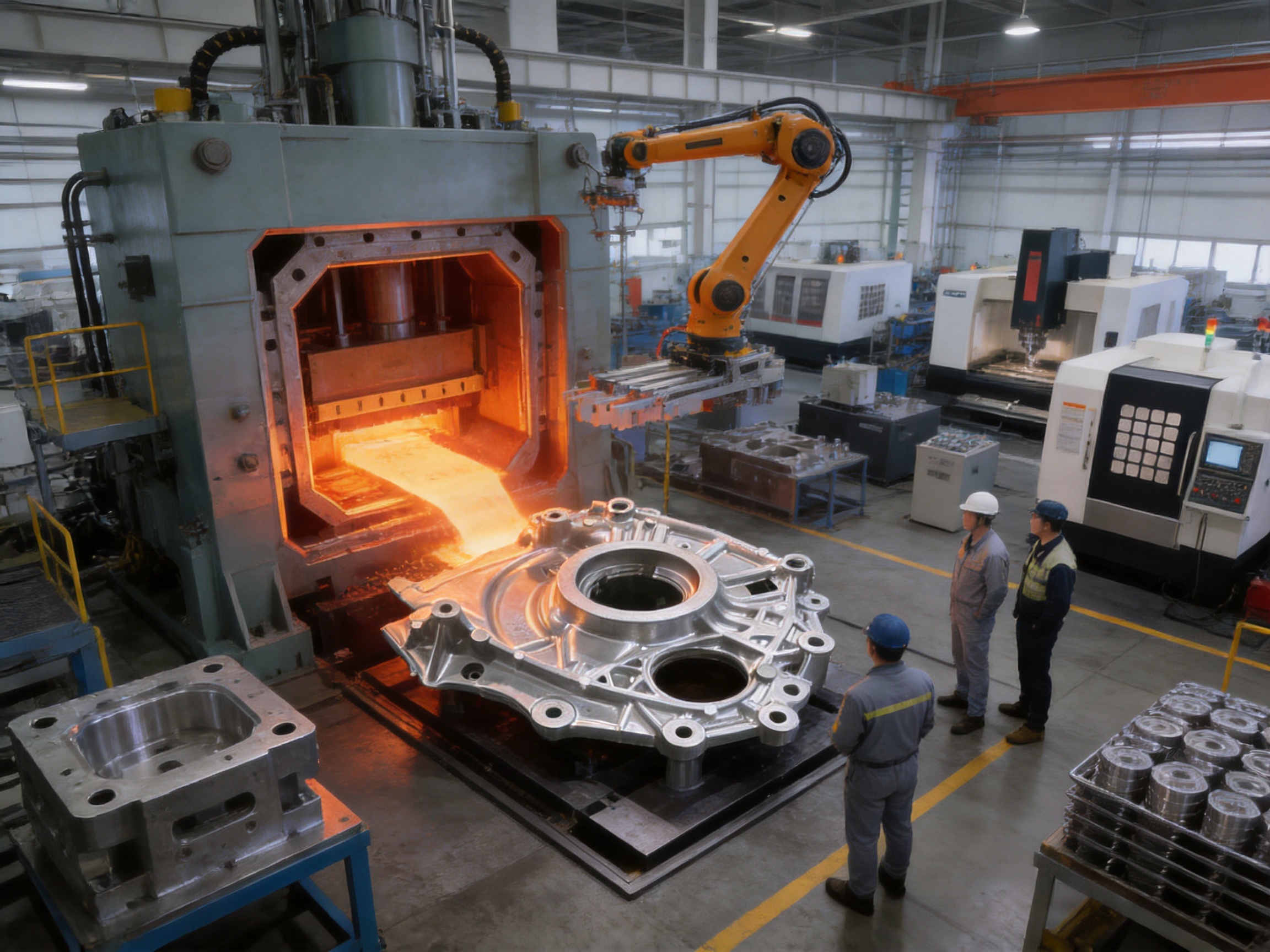
After the mold is completed, the die-casting process must be controlled consistently. Important variables may include metal temperature, mold temperature, injection speed, filling pressure, holding conditions, cycle time, lubrication, cooling, and ejection timing. Changes in these variables can influence surface appearance, internal integrity, dimensions, and mechanical behavior.
Stable process parameters help reduce variation between production batches. Operators and engineers monitor the condition of the equipment, the mold, and the cast parts to identify trends before they become significant defects. Preventive maintenance is also important because worn ejector pins, damaged cavities, blocked cooling channels, or unstable hydraulic systems can affect product quality.
Automated trimming lines support the removal of gates, runners, flash, and other excess material. Automation can improve repeatability and reduce variation caused by manual operations. It can also make production more efficient when large quantities of parts are required. However, automated equipment must be set up and verified according to the geometry of the specific component.
Finishing may include deburring, surface treatment, machining of functional areas, cleaning, and visual preparation. The required finishing route depends on the customer’s drawing and the role of each surface. Installation surfaces and bearing interfaces may require tighter dimensional control than nonfunctional exterior surfaces.
The company’s production capability extends beyond casting to finishing and inspection, allowing process decisions to be coordinated with the final application. This is valuable when a part requires a combination of cast geometry and precisely controlled functional features. It also creates a clearer path for investigating quality issues because mold, casting, trimming, and finishing data can be reviewed together.
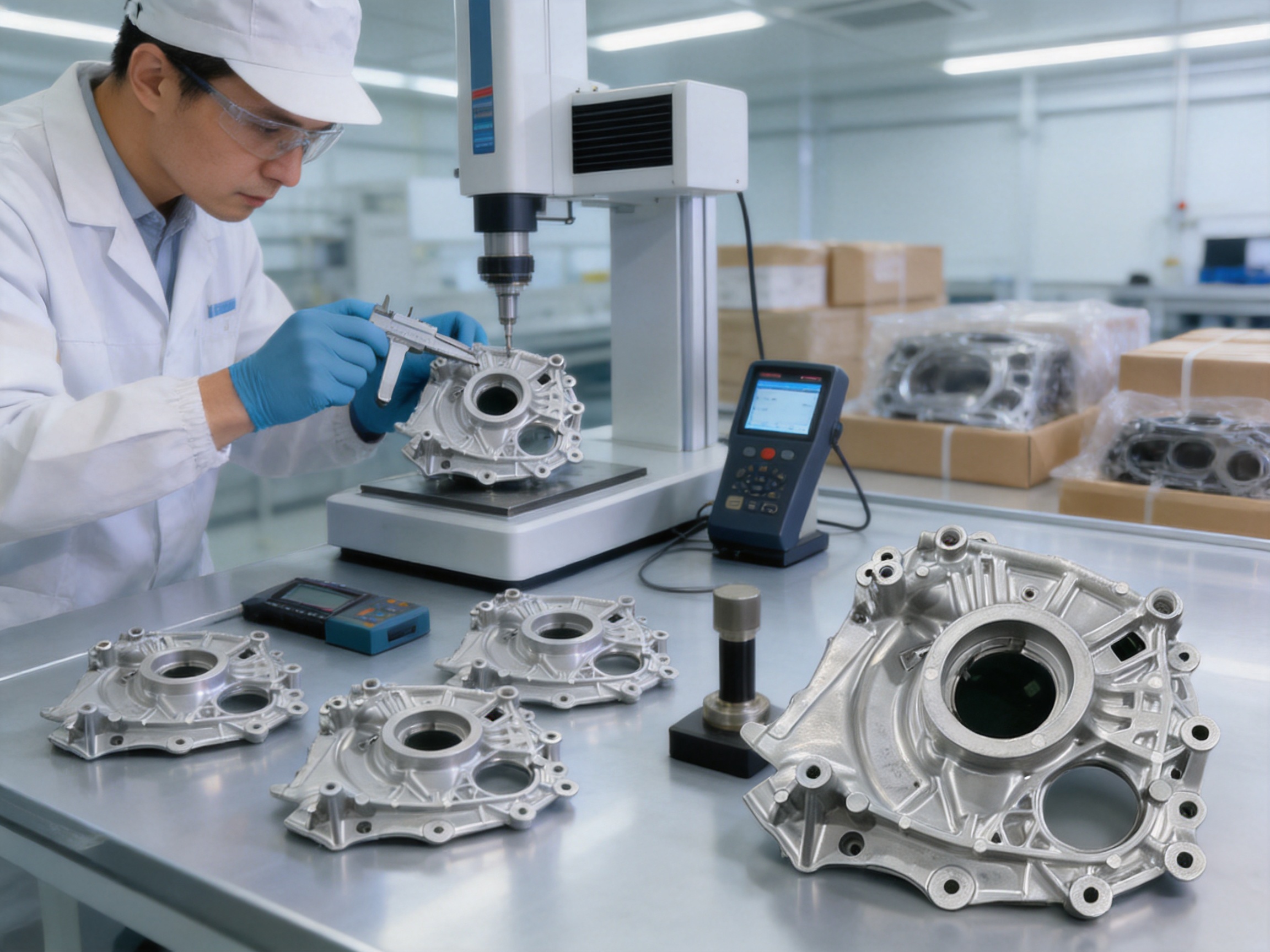
Quality assurance for an automotive bearing plate should begin with incoming materials and continue through every major production stage. Inspection may include dimensional checks, visual examination, surface evaluation, functional verification, and process documentation. The specific inspection plan should be based on the customer’s drawings, technical standards, and risk assessment.
Dimensional inspection verifies critical features such as mounting holes, bearing locations, thickness, flatness, concentricity, and positional relationships. These characteristics can influence assembly alignment and load distribution. Surface inspection helps identify flash, cracks, dents, porosity indications, machining marks, and other conditions that could affect performance or appearance.
Process inspection is equally important. A part may meet a final dimensional requirement while still containing internal defects or process instability that could affect long-term durability. Depending on the application, additional methods may include density evaluation, hardness testing, leak testing, metallographic analysis, or other non-destructive and destructive examinations.
Ningbo Dinghong Mould Co., Ltd. operates with advanced testing equipment and comprehensive quality-control procedures. The company has obtained ISO 9001 and IATF 16949 quality management system certifications. ISO 9001 establishes a structured quality management framework, while IATF 16949 is specifically associated with quality requirements for the automotive supply chain.
Certification does not replace product-specific engineering or testing, but it demonstrates the company’s commitment to documented processes, traceability, corrective action, risk management, and continuous improvement. For customers sourcing automotive parts, a structured quality system can simplify supplier evaluation and support more consistent communication during product development and mass production.
Automotive customers often require more than a standard catalog item. They may need a part adapted to a particular shaft, housing, installation envelope, load condition, or vehicle platform. An integrated supplier can support these requirements by coordinating product design, mold design, process development, and production planning.
The company’s experienced design team uses advanced software and engineering systems to develop mold and product solutions. Mold-flow analysis allows potential process problems to be reviewed before tooling construction. This can help shorten development cycles and reduce the risk of expensive modifications after the mold has been completed.
During project discussions, important information may include the customer’s 2D drawings, 3D models, material requirements, annual volume, sample schedule, operating temperature, load range, shaft speed, lubrication method, sealing arrangement, surface requirements, and inspection standards. The more complete the technical information, the more accurately the bearing plate can be evaluated and adapted.
Design-for-manufacturing review is another important activity. A feature that is useful in a prototype may be difficult or expensive to reproduce in high-volume die casting. Engineers can suggest adjustments to draft, fillets, wall thickness, machining allowances, or gating arrangements to improve manufacturability without compromising function.
Such cooperation can benefit both parties. The customer receives a more realistic manufacturing solution, while the supplier gains a clear understanding of the functional requirements. The result is a better balance between product performance, tool life, production efficiency, and cost control.
Ningbo Dinghong Mould Co., Ltd. was established in 2013, following the establishment of Yuejin Mould in 1998. The company is located in Daqi Street, Beilun District, Ningbo, Zhejiang Province, near Beilun Port. Its facility covers approximately 15,000 square meters of plant space and includes resources for mold manufacturing, die casting, trimming, finishing, and testing.
The location near Beilun Port provides a practical logistics advantage for international supply. Efficient transportation is important for automotive customers that require scheduled deliveries, export documentation, and coordinated shipment planning. The company’s sales network covers China, South America, Southeast Asia, and other international markets, with plans to expand further into Europe and additional regions.
The production environment includes high-precision CNC machining centers, EDM equipment, die-casting machines, automated trimming lines, and testing equipment. This combination supports a broad range of products rather than a single isolated component. The company manufactures automotive parts, household appliance parts, telecommunication parts, and other aluminum alloy products.
Its wider industry experience includes new-energy, photovoltaic, telecommunications, electrical, motorcycle, pump and valve, fitness equipment, robotic, and other applications. Experience across multiple sectors can strengthen problem-solving because different industries bring different requirements related to weight, strength, heat, sealing, appearance, precision, and production volume.
For the T0089151-M2 bearing plate, the value of this infrastructure is reflected in the ability to manage both tooling and production. Customers can discuss mold construction, casting feasibility, finishing, quality control, and shipment planning through one manufacturing organization.
The T0089151-M2 bearing plate is categorized for die-casting fuel automotive parts, but its functional characteristics may also be relevant to other mechanical assemblies requiring compact support for radial and axial loads. Potential application areas should be confirmed through engineering review rather than assumed solely from the product name.
When evaluating the product for a vehicle or machine, engineers should examine the expected radial force, axial force, rotational or oscillating speed, operating temperature, lubrication method, contamination level, shaft material, mating surface, installation tolerance, and expected service interval. These factors determine whether the product is suitable for a specific design.
Assembly accuracy is particularly important. Even a wear-resistant plate can perform poorly if it is installed at an angle, exposed to excessive shaft misalignment, or subjected to an unexpected load path. Housing flatness, shaft alignment, fastener torque, clearance, and sealing should be verified as part of the complete installation process.
The product may be considered for original equipment manufacturing, replacement programs, export vehicle assemblies, industrial machinery, and other applications where reliable mechanical support is required. Customized versions may also be discussed where the customer requires a different geometry, mounting pattern, surface specification, or inspection standard.
Before production approval, customers should request samples or first-article parts and conduct application-specific tests. These may include endurance cycling, combined-load testing, contamination exposure, temperature cycling, dimensional stability evaluation, and post-test surface inspection. Testing confirms that the part performs correctly in the intended assembly rather than only meeting general product descriptions.
Choosing a bearing plate supplier involves more than comparing unit quotations. Automotive customers must consider tooling reliability, process repeatability, quality certification, engineering support, delivery capability, communication, and long-term cooperation. A low initial price may not represent the lowest total cost if the supplier cannot maintain dimensional consistency or respond quickly to technical issues.
Ningbo Dinghong Mould Co., Ltd. combines a history of mold production with die-casting and finishing capabilities. This provides a stronger foundation for customers seeking an integrated supplier. The company can participate in the process from mold-flow analysis and tooling development to casting, trimming, testing, and export delivery.
The company’s ISO 9001 and IATF 16949 certifications support a documented approach to quality management. Its design team and manufacturing equipment support product development, while its inspection resources help verify finished parts. The combination of technical personnel, production equipment, and management systems is particularly relevant for automotive buyers that require consistent documentation and supplier accountability.
Another advantage is the company’s experience with multiple aluminum alloy product categories. Although each component must be evaluated individually, experience with automotive, appliance, telecommunications, electrical, and other parts can provide useful manufacturing knowledge. It can also support efficient communication when customers are developing several related components or complete assemblies.
The company’s commitment to long-term customer relationships is consistent with the needs of automotive supply chains. These relationships typically involve product updates, tooling maintenance, quality improvement, forecast changes, engineering changes, and ongoing delivery coordination. A supplier that can support these activities is more valuable than one focused only on a single production order.
The cost of a shaft bearing plate should be evaluated through total value rather than unit price alone. Tooling, casting yield, finishing time, inspection, packaging, transportation, replacement frequency, downtime, and warranty exposure all contribute to the real cost of ownership.
A plate with a longer service life may reduce replacement consumption over the equipment lifecycle. Its contamination-resistant design may lower the risk of premature wear, while combined-load capability may reduce the need for supplementary components in certain assemblies. These benefits can offset a higher initial manufacturing cost when the application is demanding.
Production efficiency is also important. Die casting can provide repeatable shapes and efficient high-volume output when the mold and process are properly developed. Automated trimming can reduce labor variation and support consistent cycle times. Mold-flow analysis can help prevent costly tooling revisions and improve the likelihood of a smooth transition to mass production.
Customers should compare suppliers using a complete commercial and technical evaluation. Relevant questions include whether the quotation includes tooling, sampling, inspection, packaging, and documentation; whether the supplier can support engineering changes; whether quality records are available; and whether production capacity can meet future demand.
For a component used in a critical mechanical assembly, dependable quality can be more important than the lowest nominal price. A stable supplier relationship helps customers manage forecasts, improvements, and potential disruptions more effectively.
A structured validation plan can help customers confirm the suitability of the T0089151-M2 Shaft Bearing Plate. The first stage is a design review covering dimensions, material, load requirements, installation method, surface specifications, and environmental conditions.
The second stage is sample evaluation. Initial samples should be measured against the approved drawing, visually inspected, and checked for installation fit. If the part includes machined or functional surfaces, those areas should receive special attention during inspection.
The third stage is functional testing. The customer may evaluate radial and axial load performance, friction, temperature behavior, vibration, noise, wear, and dimensional change. Testing should reflect the actual operating profile as closely as possible, including start-stop cycles and load transitions.
The fourth stage is environmental testing. Exposure to dust, oil, moisture, temperature variation, and other relevant contaminants can demonstrate whether the protective design performs as expected. The results should be compared with an established reference component where appropriate.
The final stage is production validation. The customer and supplier should confirm process capability, inspection frequency, packaging, traceability, and change-control procedures before mass production. This staged approach reduces risk and creates a clear record of product acceptance.
The T0089151-M2 Shaft Bearing Plate is designed for automotive and related mechanical applications that require shaft support and resistance to combined radial and axial loads. Its specific use should be confirmed against the customer’s drawings and operating conditions.
The product is designed to withstand radial and axial loads simultaneously, while conventional sliding-bearing plates may be optimized mainly for a single primary load direction. It also combines a high-hardness wear-resistant surface with contamination-resistant design features.
No. The stated service-life advantage is approximately 40% longer than ordinary steel plates under comparable conditions. Actual results depend on load, speed, lubrication, alignment, temperature, contamination, installation, and maintenance. Application-specific testing is recommended.
The bearing plate uses a dust and contamination-resistant design intended to help prevent pollutants from entering the working area. The complete assembly must still use suitable seals, clearances, installation procedures, and maintenance practices.
Customization should be discussed with the manufacturer based on the customer’s drawings, 3D models, material requirements, load conditions, mounting arrangement, surface specifications, and annual volume. Possible project adjustments may involve geometry, tooling, finishing, inspection, or packaging requirements.
The manufacturing system includes mold design, mold-flow analysis, mold manufacturing, CNC machining, EDM, die casting, automated trimming, finishing, and inspection. These processes are coordinated to support repeatable part quality.
Ningbo Dinghong Mould Co., Ltd. has obtained ISO 9001 and IATF 16949 quality management system certifications. These certifications support structured quality management, process control, documentation, and continuous improvement.
Useful information includes 2D drawings, 3D models, material requirements, annual demand, prototype quantity, load conditions, operating temperature, speed, lubrication method, sealing arrangement, surface requirements, packaging expectations, and inspection standards.
The product is designed for harsh operating conditions and includes a dust and contamination-resistant structure. Suitability must still be confirmed through application review and, when necessary, environmental and endurance testing.
Mold-flow analysis helps engineers visualize how molten metal fills the cavity and identify potential issues such as air entrapment, uneven filling, shrinkage, and weld lines before the mold is built. This supports more efficient tooling development and process optimization.
Depending on the customer’s requirements, checks may include dimensional inspection, visual inspection, surface evaluation, hardness testing, functional verification, internal integrity assessment, and process documentation. The inspection plan should be agreed before production.
Customers can provide their technical drawings and application requirements for engineering review. The supplier can then evaluate manufacturability, tooling needs, process requirements, sampling, inspection, and production planning.
The T0089151-M2 Shaft Bearing Plate is designed for mechanical systems where dependable shaft support, wear resistance, and environmental protection are important. Its ability to withstand radial and axial loads simultaneously provides an advantage over simpler bearing plates that address only one primary load direction. Its high-hardness working surface is intended to resist wear, and its service life is approximately 40% longer than that of ordinary steel plates under comparable conditions.
The product’s dust and contamination-resistant design further supports use in harsh operating environments. By helping limit pollutant ingress, it can contribute to more stable operation and a longer maintenance cycle. These characteristics make the component relevant to automotive assemblies and other precision mechanical applications where downtime, excessive wear, and premature replacement must be controlled.
Product performance is supported by the manufacturing system behind it. Ningbo Dinghong Mould Co., Ltd. integrates mold design, mold-flow analysis, mold manufacturing, die casting, automated trimming, finishing, and inspection. Its approximately 15,000-square-meter facility, precision machining resources, EDM equipment, die-casting machines, testing equipment, and experienced engineering team provide a solid foundation for custom automotive components.
The company’s ISO 9001 and IATF 16949 certifications, together with its experience serving automotive, appliance, telecommunications, electrical, new-energy, photovoltaic, motorcycle, pump and valve, robotic, and other industries, support a structured approach to quality and customer cooperation. For buyers seeking a reliable source of precision die-cast automotive parts, the combination of product performance and integrated manufacturing capability offers a practical basis for long-term supply.
Before final adoption, the bearing plate should be validated in the intended assembly under representative load, speed, temperature, lubrication, contamination, and service conditions. With appropriate engineering review and production control, the T0089151-M2 Shaft Bearing Plate can help manufacturers develop durable, compact, and maintenance-efficient mechanical systems.
1. Ningbo Dinghong Mould Co., Ltd. Product information for the T0089151-M2 Shaft Bearing Plate.
2. Ningbo Dinghong Mould Co., Ltd. Corporate information, manufacturing capabilities, and quality management overview.
3. International Organization for Standardization. ISO 9001, Quality Management Systems: Requirements.
4. International Automotive Task Force. IATF 16949, Quality Management System Requirements for Automotive Production and Relevant Service Parts Organizations.
5. American Society for Testing and Materials. General principles for mechanical testing, dimensional verification, and material evaluation.
6. Standard engineering principles for bearing selection, combined radial and axial loading, surface wear, contamination control, and maintenance planning.
7. General die-casting engineering practices covering mold-flow analysis, cavity filling, solidification, trimming, finishing, and process inspection.
Die casting automotive parts are made by forcing molten metal into a steel mold under high pressure, where it fills t...
READ MOREBefore a part ever reaches production, every buyer eventually asks the same question: should this component be injectio...
READ MORETwo quotations for the same aluminum controller housing can differ by 20% or more, even when both suppliers list the sa...
READ MOREMetal Injection Molding vs Die Casting: Start With the Part A buyer often arrives at this comparison with two very diff...
READ MORE

Sun Yuejun: +86-13806631860
Wang Shiyong: +86-15958891460 / 15058297768
Dove Yao: +86-18625086675


Copyright © Ningbo Dinghong Mould Co., Ltd. Rights Reserved. Custom Precision Die Casting Aluminum Alloy Parts Manufacturers
