
 English
 Español
 русский
 Français

Die casting automotive parts are made by forcing molten metal into a steel mold under high pressure, where it fills t...
READ MORE
Content
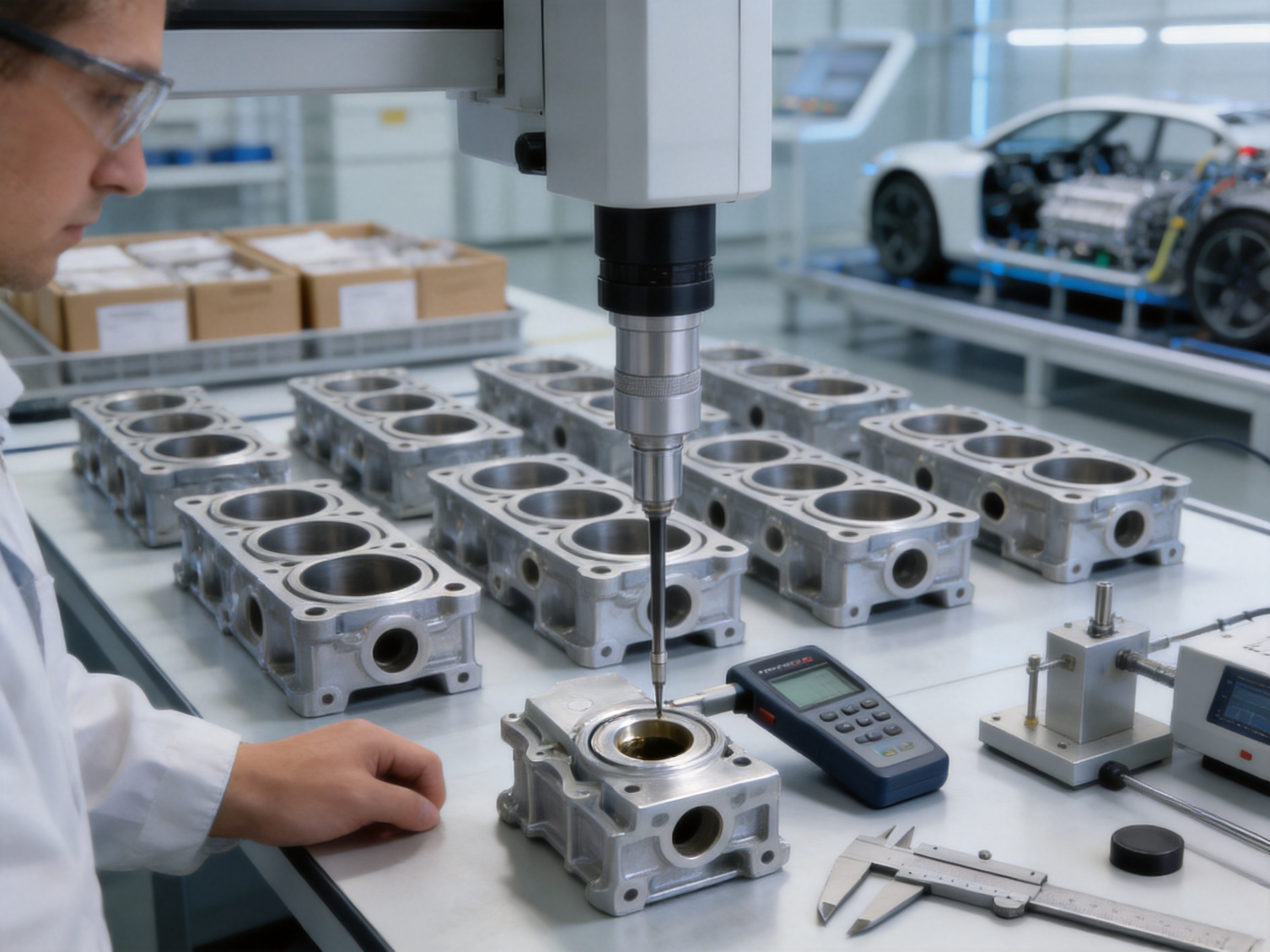
In modern automotive and new energy vehicle manufacturing, the cylinder head is a highly demanding component. It must support accurate assembly, maintain dimensional stability under changing temperatures, provide reliable sealing, and withstand exposure to vibration, pressure, lubricants, coolant, and corrosive operating environments. When a cylinder head is relocated or redesigned to suit a new vehicle platform, the requirements become even more complex. The component must fit within revised packaging constraints while preserving the functional performance expected from a high-quality aluminum alloy die-casting.
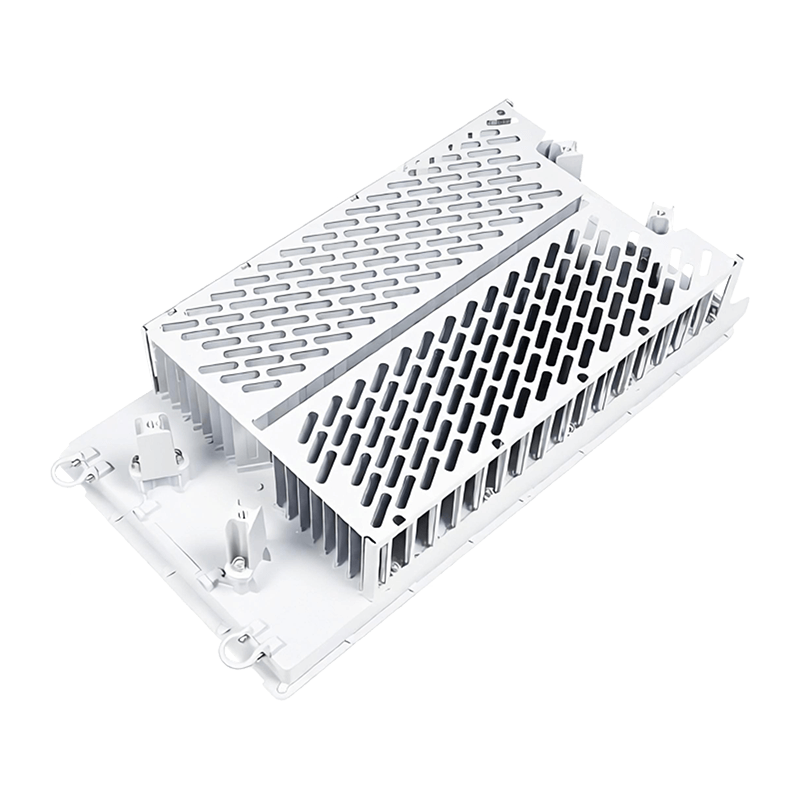
The Die Casting Hongtai Relocation Cylinder Head is developed for this type of demanding application. It combines the lightweight characteristics of aluminum alloy with the efficiency and repeatability of precision die casting. Its design and manufacturing approach emphasize uniform coating thickness, superior dimensional accuracy, high material density, enhanced sealing performance, corrosion resistance, refined edge details, and reliable adaptability to complex cavities. These characteristics make the product suitable for new energy vehicle components and other advanced automotive systems where consistency, weight reduction, and functional reliability are essential.
Manufactured by Ningbo Dinghong Mould Co., Ltd., the relocation cylinder head benefits from an integrated production system covering mold design, mold manufacturing, die casting, trimming, finishing, inspection, and delivery. This integrated capability allows the manufacturer to control the relationship between part design, tooling performance, casting parameters, surface treatment, and final quality. Rather than treating the die-cast part as an isolated product, the company manages the complete process from the initial engineering concept through batch production.
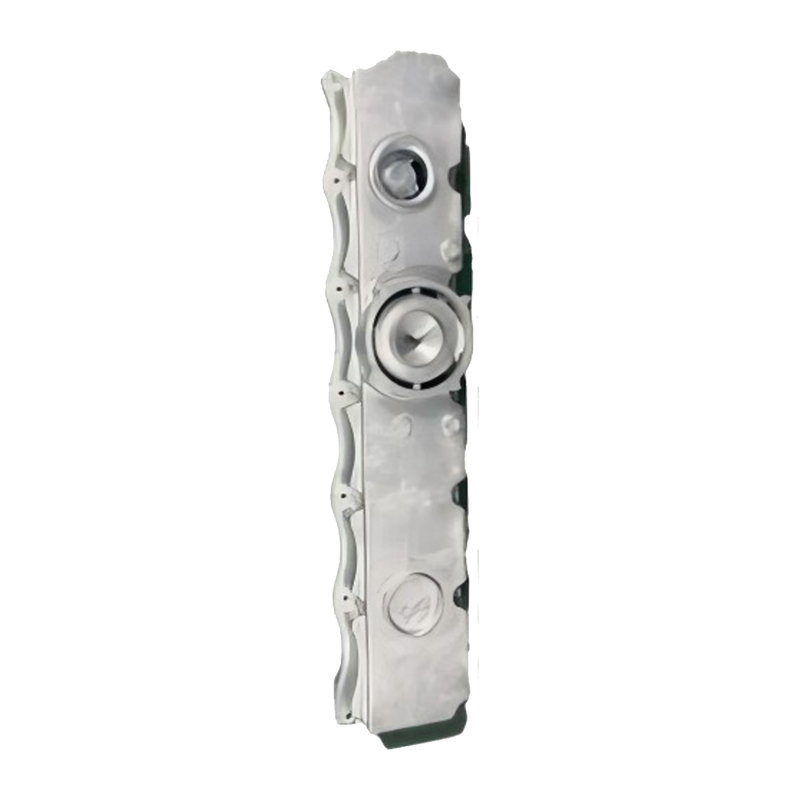
Die casting Hongtai Relocation Cylinder Head
The relocation cylinder head is an aluminum alloy die-cast component developed for applications in which the position, structure, or installation arrangement of the cylinder head must be adapted to a revised system layout. Relocation may be required because of changes in the powertrain, battery arrangement, thermal-management architecture, compact vehicle packaging, service access, or integration with other vehicle modules. Such changes can significantly affect the shape of the component, the location of mounting points, the path of internal passages, and the requirements for sealing surfaces.
A relocation cylinder head must therefore achieve more than basic shape reproduction. It must accurately maintain key datums, mounting interfaces, sealing areas, internal cavities, and functional openings. Small deviations in these areas may lead to assembly interference, uneven gasket compression, leakage, excessive machining requirements, or reduced service life. Precision die casting provides an effective method for producing complex aluminum alloy parts with stable geometry and efficient material utilization.
The product is particularly relevant to new energy parts manufacturing because electric and hybrid vehicle systems place strong emphasis on compactness, weight efficiency, thermal management, and production consistency. Although vehicle architectures may differ from conventional internal combustion platforms, many aluminum alloy structural and thermal-management components still require the same fundamental qualities: a controlled surface, high dimensional precision, dependable sealing, corrosion resistance, and repeatable production.
By combining a carefully engineered die-casting mold with controlled filling, solidification, trimming, finishing, and inspection processes, the relocation cylinder head can be produced in a form that supports efficient assembly and stable field performance. The product is also suitable for customers that require a component to be customized for a particular platform rather than selected from a standard catalog.
Surface coating is an important factor in the performance and appearance of aluminum alloy components. An uneven coating can create local differences in corrosion protection, surface hardness, friction behavior, or visual quality. It may also affect dimensional relationships at assembly interfaces. The relocation cylinder head is designed and processed to support uniform control of coating thickness across the relevant surfaces.
Uniform coating control begins with the geometry of the casting. Sharp transitions, inaccessible recesses, deep cavities, and irregular edges can make surface treatment difficult. Proper mold design and suitable finishing operations help reduce unwanted variations before the coating stage. When the casting surface is consistent, subsequent treatment can be applied more evenly and monitored more effectively.
For customers, this advantage can support improved corrosion protection and more predictable assembly performance. It can also reduce the risk of local coating buildup that could interfere with mating parts, fasteners, or sealing elements. In high-volume production, consistent coating thickness contributes to stable appearance and more reliable process control from batch to batch.
Dimensional accuracy is one of the most important advantages of precision die casting. The relocation cylinder head contains multiple interfaces that may require close coordination with adjacent parts. These include mounting bosses, bolt holes, sealing faces, internal passages, locating features, and machined connection points. Maintaining the relationship between these features is essential for smooth assembly.
The accuracy of the final part depends on many factors, including mold construction, material behavior, thermal conditions, machine settings, ejection design, trimming, machining, and inspection. Dinghong’s integrated manufacturing model allows these factors to be reviewed as part of one production system. Mold-flow analysis can be used during development to study filling behavior, potential air entrapment, solidification patterns, and areas that may require design adjustment.
Accurate cast geometry can reduce the amount of corrective machining required after casting. It can also help customers maintain more consistent assembly tolerances and reduce the possibility of rework. For a relocated component, where the surrounding system may already have limited installation clearance, precise geometry is especially valuable.
High density is closely related to the integrity and reliability of a die-cast aluminum component. A dense casting is better positioned to provide stable mechanical performance, improved sealing behavior, and dependable resistance to operating stresses. The cylinder head may be exposed to pressure changes, vibration, thermal cycling, and repeated loads around mounting and sealing zones. Internal defects or excessive porosity can reduce the reliability of these areas.
Process control is therefore essential. The mold must support an appropriate filling pattern, effective venting, suitable overflow arrangements, and controlled solidification. Die-casting machine parameters must be matched to the alloy, part geometry, wall thickness, and production requirements. Trimming and subsequent operations must be performed without damaging critical surfaces or creating unnecessary stress concentrations.
The product’s high-density characteristics support the goal of producing a stable and dependable component. While final performance must always be confirmed through customer-specific validation, a controlled die-casting process provides a strong foundation for achieving consistent density and reliable structural behavior.
Sealing performance is a primary concern for cylinder heads and related automotive components. A sealing surface must maintain sufficient flatness, finish, and dimensional stability so that a gasket, sealant, or mating component can function correctly. Leakage may result from surface irregularities, deformation, poor alignment, inadequate compression, or damage during machining and assembly.
The relocation cylinder head is manufactured with attention to sealing areas and their relationship to the overall casting. Stable mold performance helps maintain the intended geometry, while finishing and machining processes can prepare critical surfaces for final assembly. The combination of high density and controlled dimensions contributes to reliable sealing behavior.
Improved sealing can provide several practical benefits. It may help reduce the risk of fluid leakage, protect internal systems from contamination, and support more stable operation over the service life of the vehicle. It can also reduce the likelihood of assembly-related quality issues, especially when the part is produced in high volumes and must interface consistently with standardized gaskets and fasteners.
Automotive components may be exposed to humidity, road contaminants, cleaning agents, coolant, lubricants, temperature changes, and other corrosive factors. Aluminum alloys naturally form a protective oxide layer, but additional surface treatment and coating control may be required for specific applications. The relocation cylinder head is designed with corrosion resistance as one of its performance considerations.
Corrosion resistance depends not only on the coating but also on the condition of the substrate. A clean, well-finished, and consistent casting surface is easier to treat effectively. Reducing surface defects, maintaining stable edge conditions, and controlling coating thickness can improve the reliability of the protective system.
For vehicle manufacturers and component integrators, improved corrosion resistance can help maintain appearance, dimensional stability, and functional performance in challenging environments. It may also support longer maintenance intervals and reduce the risk of premature deterioration around fasteners, sealing regions, and exposed edges.
Edges and transition areas are often more difficult to produce than broad, open surfaces. Poorly controlled edges may show flash, burrs, incomplete filling, excessive radii, or inconsistent coating. These issues can create assembly hazards, interfere with adjacent components, or require additional manual correction.
The relocation cylinder head is manufactured to provide refined edge detailing performance. Proper mold parting-line planning, overflow design, ejection planning, and trimming methods help create cleaner and more consistent edges. Where required, additional finishing can be applied to remove flash and prepare the part for downstream assembly.
Good edge quality improves handling safety and may reduce the need for labor-intensive deburring. It also supports a cleaner appearance and more predictable interaction with gaskets, clips, brackets, hoses, electrical components, and other nearby parts. This is particularly useful in compact new energy vehicle assemblies, where components may be installed with limited clearance.
Modern automotive components frequently contain internal cavities, ribs, bosses, channels, curved surfaces, and multiple functional openings. These features help reduce weight, improve stiffness, guide fluid or air flow, and allow the component to fit within a restricted package. However, they also make casting more difficult.
The relocation cylinder head is designed to adapt to complex cavity structures through specialized tooling and process engineering. Mold-flow analysis provides an opportunity to evaluate how molten aluminum may move through the cavity before physical production begins. Engineers can review filling balance, potential joining areas, air entrapment risks, cooling behavior, and locations that may require modifications.
Complex cavity adaptability gives designers greater freedom to optimize the part for vehicle integration. It allows the manufacturer to consider lightweight structures and functional features without relying on excessive machining or multiple assembled pieces. Consolidating features into one die-cast component may reduce the number of parts, joints, fasteners, and assembly operations required by the customer.
Stable production efficiency is important for both original equipment manufacturers and component distributors. A product may meet its technical requirements during prototype development but still be unsuitable for mass production if cycle times, tooling life, inspection requirements, or yield rates are inconsistent.
Die casting is well suited to repeated production because the mold can reproduce the same basic geometry over many cycles. When supported by automated trimming, standardized operating procedures, preventive maintenance, and process monitoring, it can provide a dependable production rhythm. Dinghong’s manufacturing resources include die-casting equipment, automated trimming lines, CNC machining centers, EDM equipment, and testing facilities that support this objective.
Stable efficiency can help customers plan production schedules, reduce interruptions, and control unit costs. It also supports the delivery of consistent batches, which is essential when a cylinder head is used in a vehicle platform with synchronized assembly operations.
Batch consistency means that parts manufactured at different times continue to meet the same dimensional, visual, and functional expectations. This is particularly important for automotive applications, where components may pass through multiple production stages and be assembled at different plants or dates.
Consistency is supported by standardized mold maintenance, controlled machine settings, inspection procedures, traceable production records, and clear acceptance criteria. Quality management systems such as ISO 9001 and IATF 16949 provide a framework for documenting and improving these activities. Dinghong’s certification background reflects its commitment to formal quality management and automotive-oriented production control.
For customers, strong batch consistency can reduce incoming inspection concerns, simplify assembly-line adjustments, and lower the risk of unexpected variation. It also supports long-term supply relationships because the supplier can maintain defined standards as production continues.
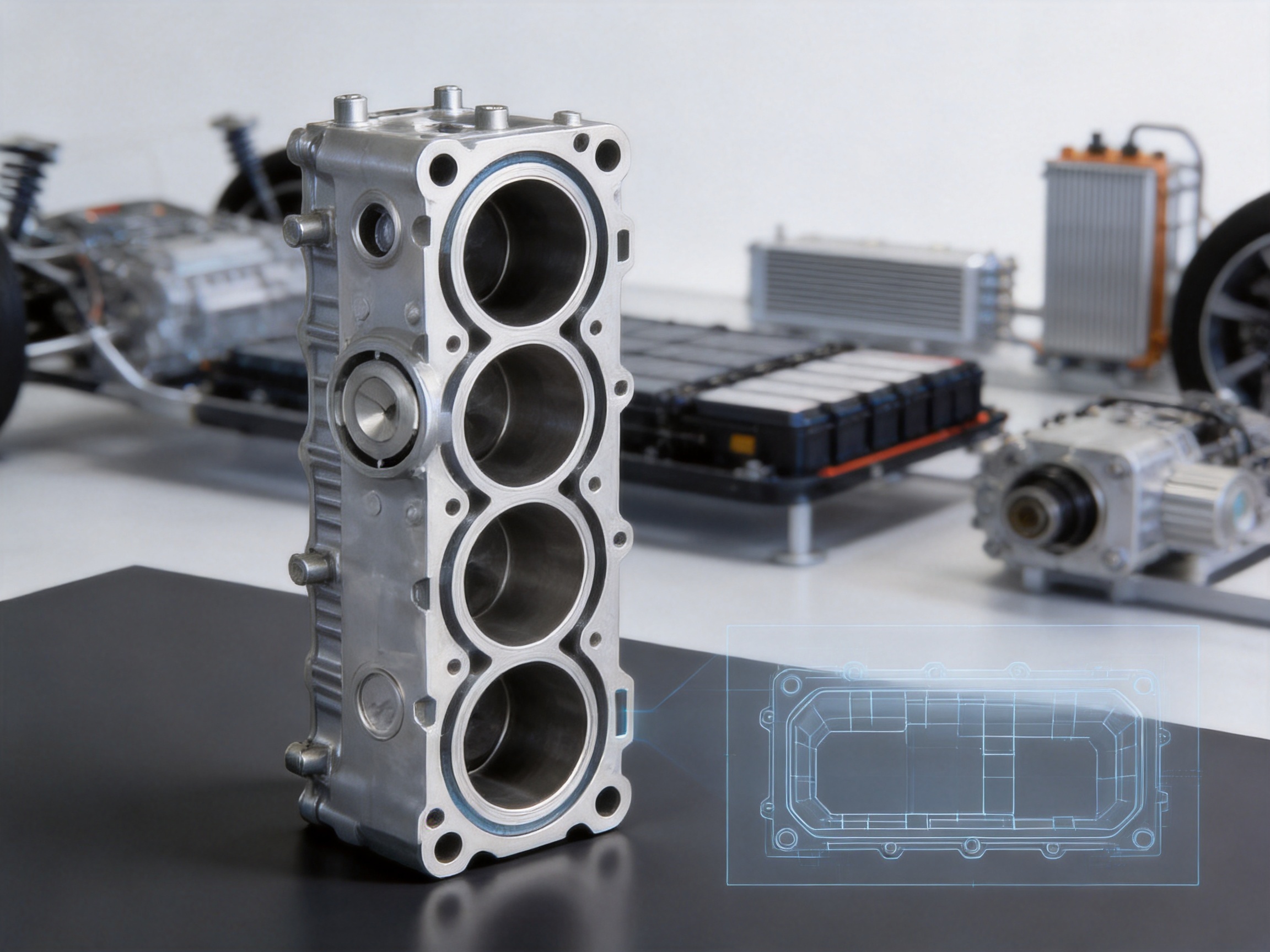
A successful die-cast cylinder head begins with a design that balances functional performance and manufacturability. The component must satisfy the customer’s installation, sealing, strength, thermal, and appearance requirements while also allowing reliable mold filling, ejection, trimming, and inspection.
Engineers evaluate draft angles, wall thickness distribution, ribs, bosses, fillets, parting lines, slides, ejector locations, and machining allowances. These details influence both the cost and the quality of the final part. A design that appears simple in a three-dimensional model may present significant challenges during casting if it includes deep undercuts, abrupt wall changes, isolated hot spots, or difficult-to-vent cavities.
Dinghong’s experience in mold design and mold manufacturing allows these factors to be considered early. Early engineering review can help prevent costly modifications after the mold has been completed. It can also improve the transition from prototype development to stable mass production.
Mold-flow analysis is an important tool for evaluating a proposed die-casting design. It provides a visual and analytical way to study the movement of molten material through the cavity. Engineers can use the results to identify potential filling imbalances, weld lines, air pockets, premature solidification, and thermal concentrations.
For a relocation cylinder head with complex cavities, mold-flow analysis can help determine gate locations, runner arrangements, overflow positions, venting strategies, and cooling requirements. It may also assist in comparing alternative design concepts before physical tooling is built.
This approach improves development efficiency because decisions can be based on engineering analysis rather than relying only on trial and error. It does not eliminate the need for physical trials and validation, but it helps make those trials more focused and productive. The result is a better opportunity to achieve stable filling and high-density casting performance.
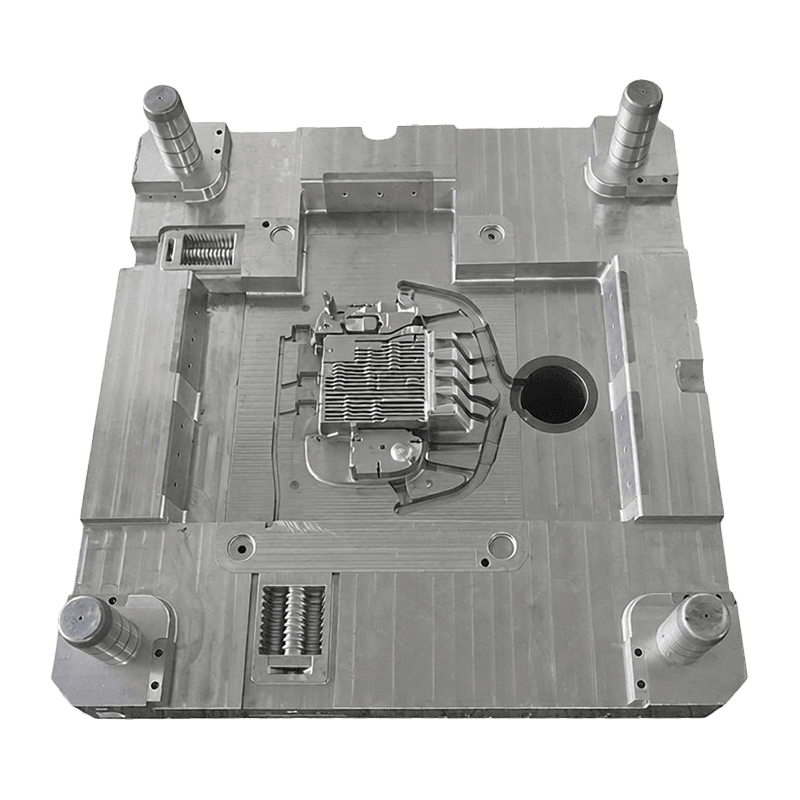
The quality of a die-cast component is strongly influenced by the accuracy and durability of its mold. Mold components must be machined to precise dimensions, assembled correctly, and maintained throughout their service life. Wear, misalignment, thermal damage, or surface deterioration can affect flash, dimensions, parting lines, and cavity quality.
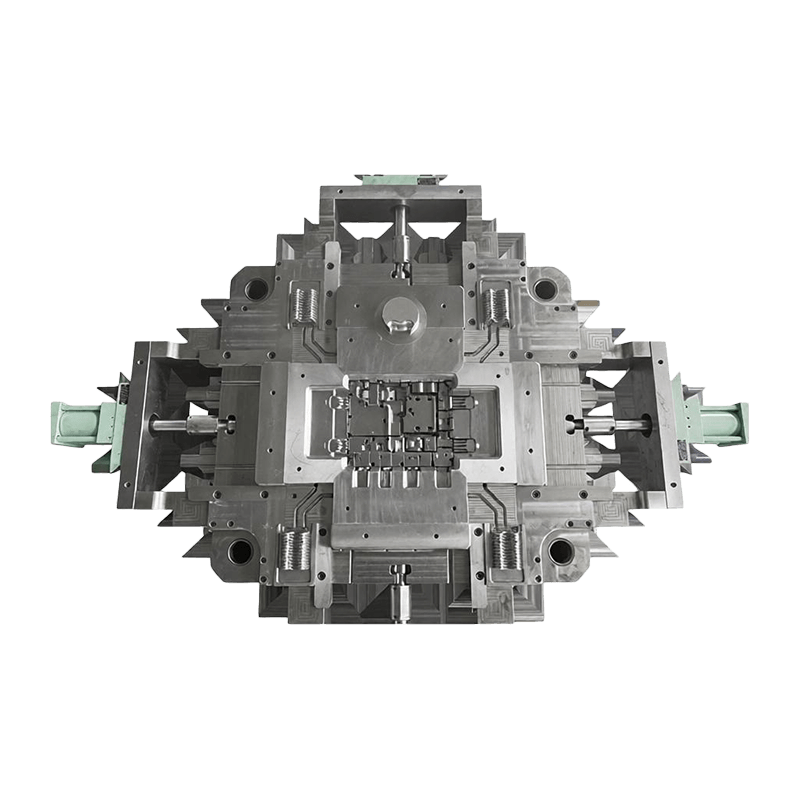
Dinghong operates high-precision CNC machining centers and EDM equipment for mold manufacturing. CNC machining supports accurate production of complex surfaces and structural features, while electrical discharge machining is useful for detailed areas and geometries that are difficult to produce by conventional cutting methods.
After machining, the mold must be inspected, fitted, tested, and adjusted. Attention to cooling channels, ejector movement, slide operation, parting surfaces, and venting areas helps improve the stability of the die-casting cycle. Proper mold construction also supports longer tooling life and more predictable maintenance.
Aluminum alloy selection is based on the application’s requirements for weight, castability, strength, corrosion resistance, machinability, and surface treatment. Material preparation must be controlled to reduce contamination and maintain stable alloy composition. Correct handling of ingots, recycled material, and melt cleanliness contributes to reliable casting quality.
Before production, the alloy and process conditions are reviewed against the customer’s specifications. Where required, material testing and documentation can be used to support traceability. A disciplined material process helps reduce variation between production batches.
During melting and holding, temperature control is important because excessively high or low temperatures can influence filling, solidification, surface quality, and defect formation. The melt must be maintained within an appropriate process range for the selected alloy and part design.
Stable holding conditions help ensure that each shot begins with material of consistent temperature and quality. Operators and process engineers monitor the production environment and follow defined procedures for charging, holding, transfer, and cleaning. These steps are essential for supporting high-density die-cast parts.
In the die-casting stage, molten aluminum alloy is injected into the mold at high speed and pressure. The machine, mold, and process parameters must work together to fill the cavity before the material solidifies. Injection speed, pressure, timing, intensification, lubrication, and cooling all influence the result.
For the relocation cylinder head, process settings are developed according to the cavity structure, wall thickness, gate design, and required surface quality. The objective is to achieve complete filling, reduce internal defects, and maintain a repeatable cycle. Stable machine operation helps ensure that parts produced at the beginning and end of a batch remain comparable.
Cooling behavior affects dimensions, density, mechanical performance, and cycle time. Areas that cool too quickly may create incomplete filling or undesirable joining conditions, while areas that retain heat for too long may develop shrinkage-related issues or cause dimensional instability.
Mold cooling design and process control help manage these effects. Engineers consider the distribution of cooling channels, the thickness of different sections, and the position of functional features. Controlled solidification supports a more stable casting structure and reduces the risk of distortion after ejection.
After ejection, the casting may include runners, overflows, gates, and flash that must be removed. Dinghong’s automated trimming lines support efficient and repeatable removal of excess material. Automation can improve consistency and reduce the variation associated with manual trimming.
Trimming must be performed carefully because excessive removal may damage functional edges, while insufficient removal may interfere with assembly or coating. The trimming process is therefore matched to the mold design and the part’s critical features. Additional deburring and edge finishing can be applied where necessary.
Although die casting can produce a near-net-shape component, some surfaces may require CNC machining to achieve final dimensional accuracy, flatness, hole size, surface finish, or sealing performance. Machining operations may include drilling, milling, tapping, facing, reaming, or other customer-defined processes.
High-precision CNC equipment helps ensure that machined features remain aligned with the original casting datums. Correct fixture design is important because the casting must be located securely without distortion. The machining sequence is developed to protect critical surfaces and maintain the required relationship between holes, mounting points, and sealing areas.
Surface finishing and coating are then applied according to the application requirements. The objective is to produce a clean, consistent surface with appropriate protection and appearance. Coating thickness and coverage can be monitored as part of the quality-control plan.
Inspection is performed throughout the production process rather than only at the final stage. Incoming material checks, first-piece approval, in-process measurements, visual inspection, dimensional inspection, and final product evaluation all contribute to quality assurance.
Depending on customer requirements, inspection may include coordinate measurement, gauge testing, surface evaluation, leak testing, hardness testing, coating measurement, or internal defect analysis. The specific inspection plan is established according to the product’s function and critical characteristics.
A comprehensive quality system helps connect inspection results with corrective action. If a trend is identified, engineers can review mold condition, machine parameters, trimming performance, machining fixtures, or coating operations. This feedback loop supports continuous improvement and stable batch production.
Ningbo Dinghong Mould Co., Ltd. was established in 2013, following the earlier establishment of Yuejin Mould in 1998. The company is located in Daqi Street, Beilun District, Ningbo, Zhejiang Province, near Beilun Port. This location provides access to an important manufacturing and logistics region with established automotive, mold, die-casting, and export industries.
The company occupies approximately 20 mu of land and operates approximately 15,000 square meters of plant space. Its production scope covers mold design, mold manufacturing, die casting, finishing, and trade. This range of capabilities allows the company to manage multiple stages of a customer project within one organization.
Dinghong primarily manufactures automotive parts, household appliance parts, telecommunication parts, and other aluminum alloy products. Its broader application experience includes automotive, new energy, photovoltaic, telecommunications, electrical, motorcycle, pump and valve, fitness equipment, robotic, and related industries.
The company’s facility includes high-precision CNC machining centers, EDM equipment, die-casting machines, automated trimming lines, and testing equipment. These resources support the production of complex molds and precision aluminum alloy components. An integrated facility can also improve communication between design engineers, toolmakers, casting operators, machining technicians, and quality personnel.
Dinghong has obtained ISO 9001 and IATF 16949 quality management system certifications. ISO 9001 provides a general framework for controlled processes, customer focus, documentation, and continual improvement. IATF 16949 is specifically associated with automotive quality management and emphasizes risk control, defect prevention, traceability, and process consistency.
The company’s sales network covers China, South America, Southeast Asia, and other international markets. Its international experience supports communication with customers that require technical documentation, production coordination, quality records, packaging standards, and delivery planning across different regions.
Another important strength is the company’s experienced design team and use of advanced software, equipment, and systems. Mold-flow analysis supports the visualization and optimization of mold designs before manufacturing. This capability can help customers evaluate a product concept, identify potential casting risks, and select a more reliable tooling solution.
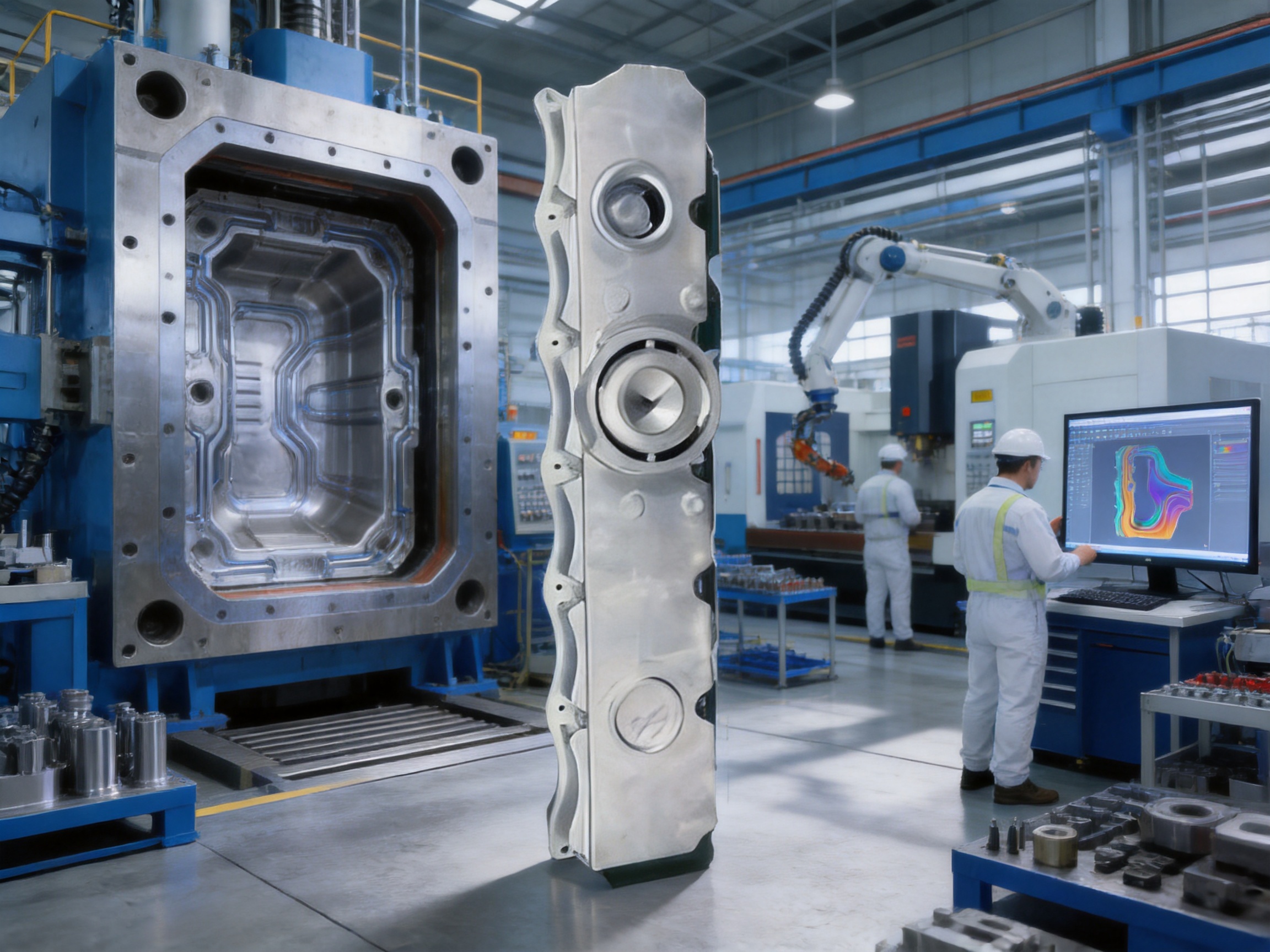
One advantage of an integrated manufacturer is that responsibility is concentrated within one coordinated production system. When mold design, tooling, die casting, trimming, machining, and finishing are divided among unrelated suppliers, technical information may be lost between stages. Changes may take longer to implement, and it may be more difficult to identify the source of a quality issue.
With an integrated supplier, mold designers can communicate directly with casting engineers, while machining and quality teams can provide feedback during development. This cooperation can improve manufacturability, reduce unnecessary design changes, and shorten the response time when a customer requests a modification.
The relocation cylinder head benefits from this approach because its performance depends on the interaction between many processes. Dimensional accuracy is affected by both mold construction and machining. Sealing performance depends on casting density, surface preparation, and final flatness. Coating consistency depends on substrate condition and finishing. Edge quality depends on mold parting, trimming, and deburring. Managing these relationships together provides a stronger basis for stable results.
Compared with suppliers that focus only on basic casting, Dinghong offers a broader technical route from mold development to finished product delivery. Compared with suppliers that rely heavily on manual processing, its CNC machining, automated trimming, and inspection resources support greater repeatability. Compared with suppliers that lack automotive quality systems, its ISO 9001 and IATF 16949 certifications provide a more formal framework for production control.
| Evaluation Area | Relocation Cylinder Head Manufacturing Approach | Customer Benefit |
|---|---|---|
| Dimensional control | Precision mold design, CNC machining, process monitoring, and inspection | Improved assembly fit and reduced rework risk |
| Complex geometry | Mold-flow analysis, engineered gating, venting, slides, and cavity planning | Greater design flexibility for compact vehicle systems |
| Surface treatment | Controlled finishing and uniform coating-thickness management | More consistent corrosion protection and appearance |
| Sealing interfaces | Stable casting geometry, high-density production, and precision machining | Improved sealing reliability and reduced leakage risk |
| Edge quality | Automated trimming with additional deburring or finishing where required | Cleaner edges, safer handling, and easier assembly |
| Batch consistency | Standardized processes supported by ISO 9001 and IATF 16949 systems | More predictable incoming quality and production planning |
| Project coordination | Integrated mold, casting, machining, finishing, and inspection capabilities | Faster technical communication and simplified supplier management |
New energy vehicle development often requires parts that combine multiple functions in a compact package. Space is limited, weight targets are strict, and thermal management is increasingly important. Aluminum alloy die casting is well suited to these requirements because it supports lightweight construction, complex geometry, feature integration, and efficient high-volume production.
A relocation cylinder head may be required when a vehicle platform changes the location of related systems. The revised component must work within the new layout without sacrificing installation accuracy or service reliability. Its geometry may need to accommodate different brackets, passages, cables, sensors, connectors, or adjacent housings. Die casting allows these features to be incorporated into a carefully designed component rather than assembled from numerous separate pieces.
Part consolidation may reduce the number of fasteners and joints. Fewer interfaces can simplify assembly and reduce potential leakage paths. It may also lower the total number of components that must be purchased, stored, inspected, and installed. These benefits depend on appropriate engineering validation, but they illustrate why precision aluminum die casting remains important in advanced vehicle manufacturing.
The product’s corrosion resistance and coating control are also valuable in new energy applications. Battery and electrical systems often require protection from moisture and environmental exposure. Even when a specific cylinder head is not directly part of a battery enclosure, it may be located near thermal-management lines, power electronics, motors, or other systems where surface durability matters.
Strong batch consistency is equally important. New energy vehicle programs can involve rapid production ramp-ups and global supply chains. A component supplier must be able to support prototype development, pilot production, and high-volume manufacturing while maintaining documented quality standards. Dinghong’s experience in tooling, die casting, and automotive quality management provides a foundation for this type of cooperation.
The relocation cylinder head can be developed according to customer drawings, three-dimensional models, technical specifications, and application requirements. During the initial review, engineers may evaluate material, wall thickness, draft, sealing areas, mounting interfaces, machining allowances, coating requirements, inspection standards, and packaging conditions.
Customers may also specify critical-to-quality characteristics. These can include flatness, hole position, thread accuracy, surface roughness, coating thickness, leakage limits, internal density, appearance standards, and traceability requirements. Clearly defining these characteristics helps ensure that the manufacturing process is designed around the actual function of the part.
Prototype or trial production can be used to verify the design before full-scale manufacturing. Trial parts may be inspected for dimensions, surface condition, assembly fit, coating behavior, and other characteristics. Feedback from the customer can then be incorporated into mold adjustments or process improvements.
Technical communication is especially important for relocated components because the part may be designed to replace or adapt an earlier version. The customer and supplier should confirm which features are retained, which are changed, and which interfaces are newly introduced. This approach reduces the risk of producing a component that is geometrically correct but functionally incompatible with the surrounding system.
Quality management is not limited to rejecting defective parts. It involves designing processes that prevent defects, identifying risks before production, and using data to improve performance. For the relocation cylinder head, this includes reviewing the product design, mold design, process parameters, inspection methods, and customer feedback.
Preventive maintenance is important for die-casting molds and equipment. Regular inspection of cavity surfaces, parting lines, ejector systems, slides, cooling channels, and venting features can help prevent gradual deterioration from affecting product quality. Equipment maintenance also supports stable pressure, temperature, cycle time, and trimming performance.
Process documentation provides a common reference for operators and engineers. Standard operating procedures can define material handling, machine setup, first-piece approval, inspection frequency, trimming requirements, coating controls, packaging, and nonconformance handling. Clear documentation helps reduce variation caused by inconsistent work methods.
Continuous improvement may include reducing cycle time, improving yield, optimizing material flow, reducing machining allowances, improving coating uniformity, strengthening inspection efficiency, and reducing handling damage. These improvements can benefit both product quality and overall manufacturing cost.
For customers, a supplier’s improvement culture is valuable because vehicle programs often continue for many years. The initial production process may be effective, but ongoing optimization can improve stability and competitiveness as demand increases. A supplier that can respond constructively to engineering feedback is more likely to support a long-term partnership.
When evaluating the relocation cylinder head, customers should provide complete technical information whenever possible. Important documents may include part drawings, three-dimensional data, alloy requirements, surface-treatment specifications, inspection standards, annual demand, expected delivery schedule, and packaging requirements.
The customer should identify all critical interfaces. These may include gasket surfaces, bolt holes, locating points, fluid passages, sensor openings, bracket connections, and areas with restricted installation clearance. Marking these features clearly allows the supplier to prioritize them during mold design, machining, and inspection.
Production volume also influences tooling and process decisions. A low-volume development project may require a different approach from a high-volume automotive program. Expected annual demand, target cycle time, tool life, spare-part planning, and future design changes should be considered during the quotation and engineering stages.
Inspection and testing requirements should be agreed before mass production. If the customer requires leak testing, coating measurement, coordinate inspection, internal defect analysis, or special documentation, these activities must be included in the process plan. Early agreement avoids delays and ensures that the final product is evaluated according to meaningful criteria.
Packaging is another practical consideration. Aluminum alloy castings may be damaged by impact, abrasion, moisture, or improper stacking. Protective separators, suitable containers, and clear labeling help maintain product quality during storage and transportation. For international shipments, packaging must also support long-distance handling and environmental changes.
A relocation cylinder head is a cylinder-head component whose position, mounting arrangement, passages, or surrounding geometry has been adapted for a revised vehicle or equipment layout. It is designed to fit a new packaging requirement while preserving the necessary sealing, dimensional, structural, and functional characteristics.
Aluminum alloy offers a useful combination of low weight, castability, corrosion resistance, thermal performance, and machinability. It can be formed into complex geometries through die casting and can support integrated features that might otherwise require several separate components.
The main advantages include controllable coating thickness, superior dimensional accuracy, high density, enhanced sealing performance, corrosion resistance, refined edge details, adaptability to complex cavities, stable production efficiency, and strong batch consistency.
Mold-flow analysis helps engineers study how molten aluminum fills the cavity and solidifies. It can reveal potential filling imbalances, air-entrapment risks, joining areas, thermal concentrations, and other issues before the mold is manufactured. This supports more efficient tooling development and process optimization.
Yes. The component can be developed according to customer drawings, three-dimensional models, material requirements, coating specifications, dimensional tolerances, inspection standards, and application conditions. Technical review is recommended before tooling begins.
The manufacturing system includes mold design, mold manufacturing, high-precision CNC machining, EDM processing, die casting, automated trimming, finishing, coating-related control, and quality inspection. These capabilities support the complete development and production cycle.
Batch consistency is supported through controlled material handling, standardized machine parameters, mold maintenance, automated trimming, CNC machining, in-process inspection, final inspection, traceability, and formal quality-management procedures. ISO 9001 and IATF 16949 systems provide an additional framework for process control and continual improvement.
The component is categorized as a new energy part and is suitable for applications requiring lightweight aluminum alloy construction, precise installation, complex cavity adaptation, corrosion resistance, reliable sealing, and stable high-volume production. Final suitability should be confirmed through application-specific engineering validation.
Customers should provide part drawings or three-dimensional models, material requirements, surface-treatment specifications, annual demand, target delivery schedule, inspection standards, packaging requirements, and information about critical interfaces. Details about the vehicle platform and intended operating environment are also helpful.
Ningbo Dinghong Mould Co., Ltd. has obtained ISO 9001 and IATF 16949 quality management system certifications. These certifications support structured quality control, process documentation, risk management, defect prevention, and continual improvement.
The Die Casting Hongtai Relocation Cylinder Head is a precision aluminum alloy component developed for demanding automotive and new energy applications. Its key strengths include controllable coating thickness, accurate dimensions, high density, reliable sealing, corrosion resistance, refined edge details, complex-cavity adaptability, stable production efficiency, and consistent batch quality.
These product advantages are supported by an integrated manufacturing system that combines engineering analysis, mold design, precision tooling, high-pressure die casting, automated trimming, CNC machining, finishing, and inspection. Mold-flow analysis helps optimize the design before tooling, while advanced equipment and formal quality systems support repeatable production after the mold enters service.
Ningbo Dinghong Mould Co., Ltd. brings experience in automotive, new energy, appliance, telecommunications, electrical, photovoltaic, motorcycle, pump and valve, robotic, and other aluminum alloy applications. Its ISO 9001 and IATF 16949 certifications, technical team, production equipment, testing resources, and international market experience provide a strong foundation for customized die-casting projects.
For customers seeking a lightweight, accurately manufactured, corrosion-resistant, and production-efficient relocation cylinder head, this product offers a practical combination of design flexibility and manufacturing control. Through early technical cooperation and clearly defined quality requirements, the component can be adapted to specific platform needs and supported from prototype development through long-term batch production.
1. ISO 9001, Quality Management Systems—Requirements.
2. IATF 16949, Quality Management System Requirements for Automotive Production and Relevant Service Parts Organizations.
3. NADCA Product Specification Standards for Die Castings.
4. ASM Handbook, Volume 15: Casting.
5. ASM Handbook, Volume 2: Properties and Selection—Nonferrous Alloys and Special-Purpose Materials.
6. Aluminum Association, Aluminum Standards and Data.
7. Davis, J. R., Aluminum and Aluminum Alloys, ASM International.
8. Campbell, J., Complete Casting Handbook: Metal Casting Processes, Metallurgy, Techniques and Design.
9. General principles of automotive aluminum die-casting design, mold engineering, machining, surface treatment, and quality inspection.
10. Technical information supplied for the precision aluminum alloy relocation cylinder head and its manufacturing system.

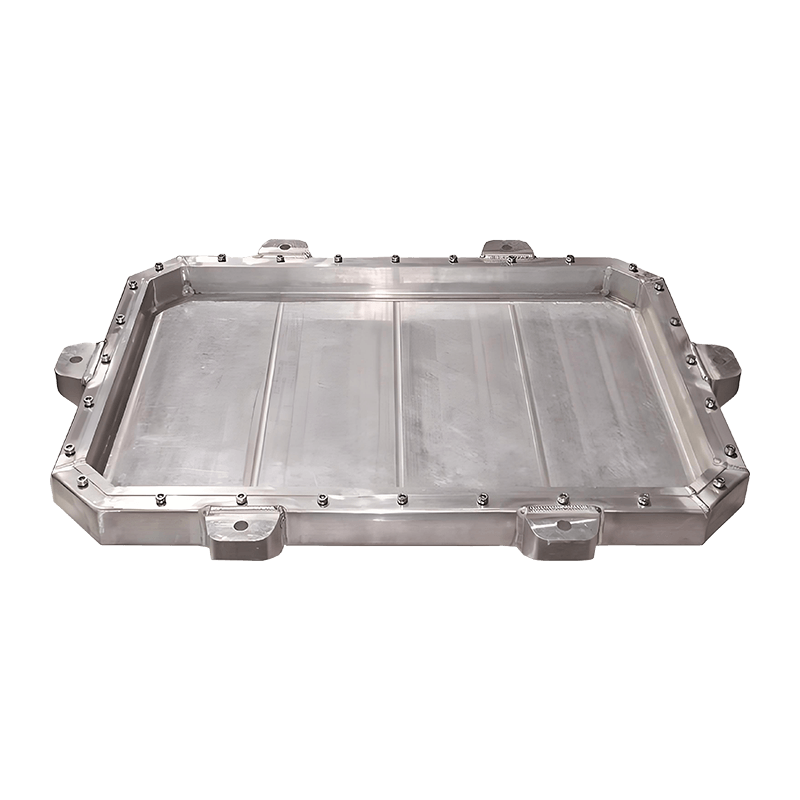
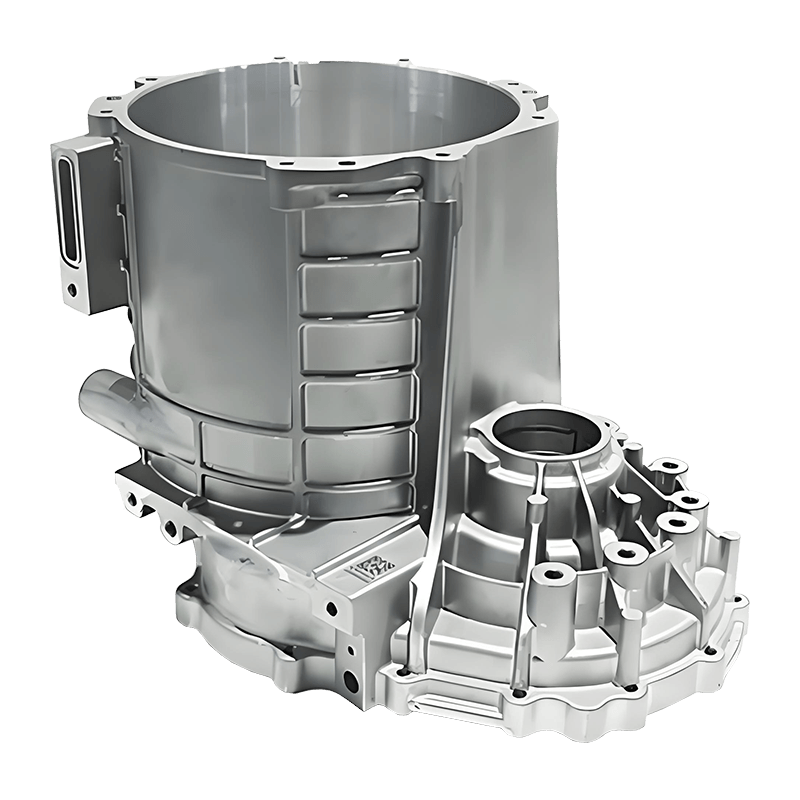
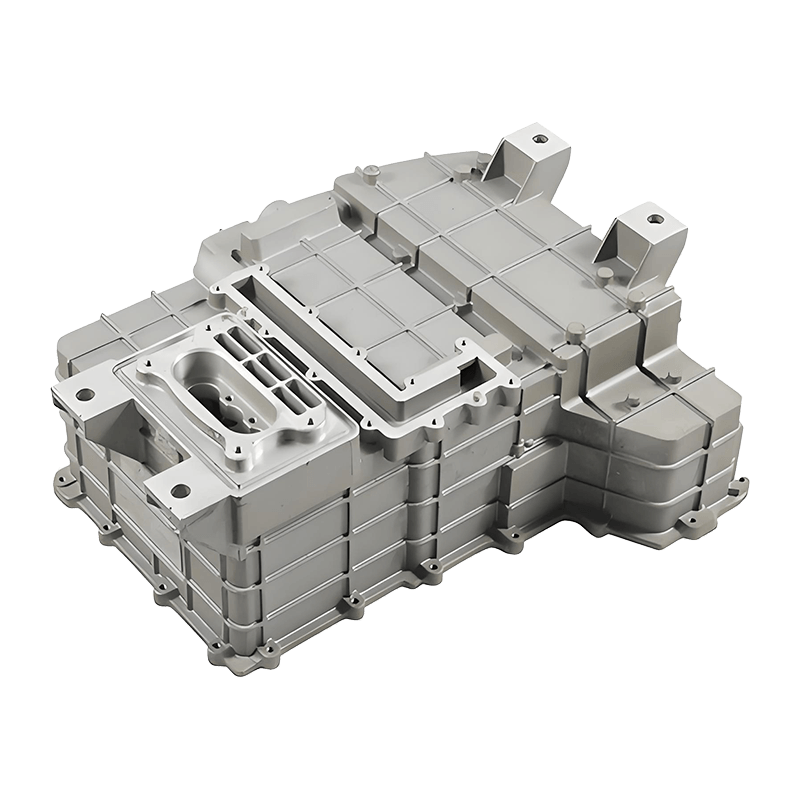
Die casting automotive parts are made by forcing molten metal into a steel mold under high pressure, where it fills t...
READ MOREMaterials & Manufacturing Yes, Aluminum Die Casting Parts are consistently lighter than Cast Iron Parts when engin...
READ MOREOne large aluminum die casting can now replace what used to be 70 to 130 separately stamped and welded steel parts in a...
READ MOREA mold quote for an aluminum die casting mold can swing by 30–50% for the same nominal part. The difference is rarely t...
READ MORE

Sun Yuejun: +86-13806631860
Wang Shiyong: +86-15958891460 / 15058297768
Dove Yao: +86-18625086675


Copyright © Ningbo Dinghong Mould Co., Ltd. Rights Reserved. Custom Precision Die Casting Aluminum Alloy Parts Manufacturers
