
 English
 Español
 русский
 Français

Die casting automotive parts are made by forcing molten metal into a steel mold under high pressure, where it fills t...
READ MORE
Content
Relocation cylinder heads are highly engineered automotive components that require a careful balance of dimensional accuracy, structural integrity, thermal performance, sealing reliability, and production consistency. As vehicle platforms become more compact, electrified, and integrated, cylinder-head designs must accommodate increasingly complex packaging requirements while maintaining stable performance throughout the service life of the vehicle. Die casting provides an efficient manufacturing route for producing aluminum alloy components with complex geometries, controlled wall sections, integrated functional features, and repeatable quality.
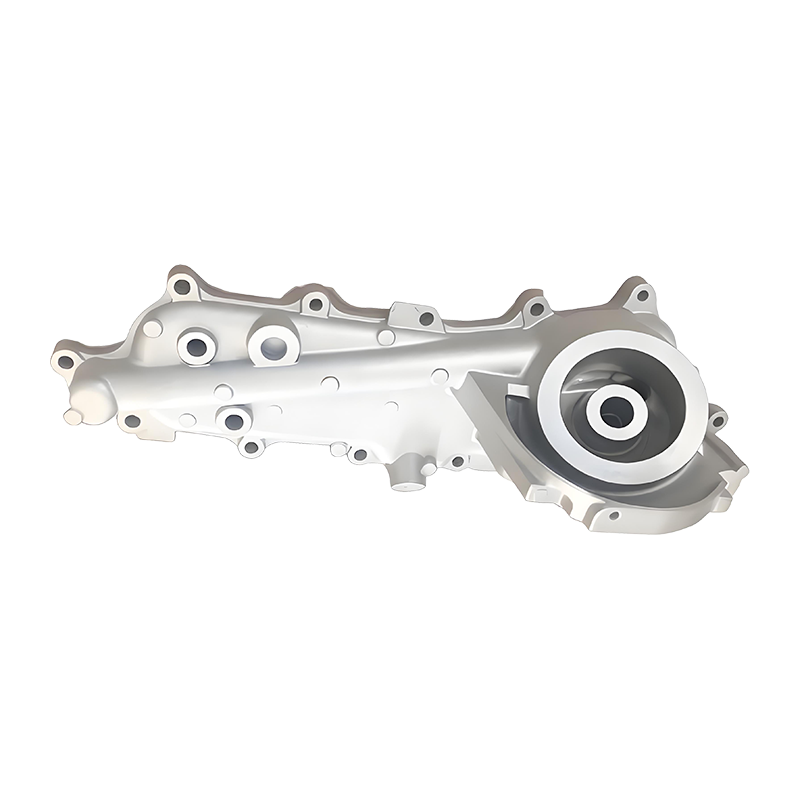
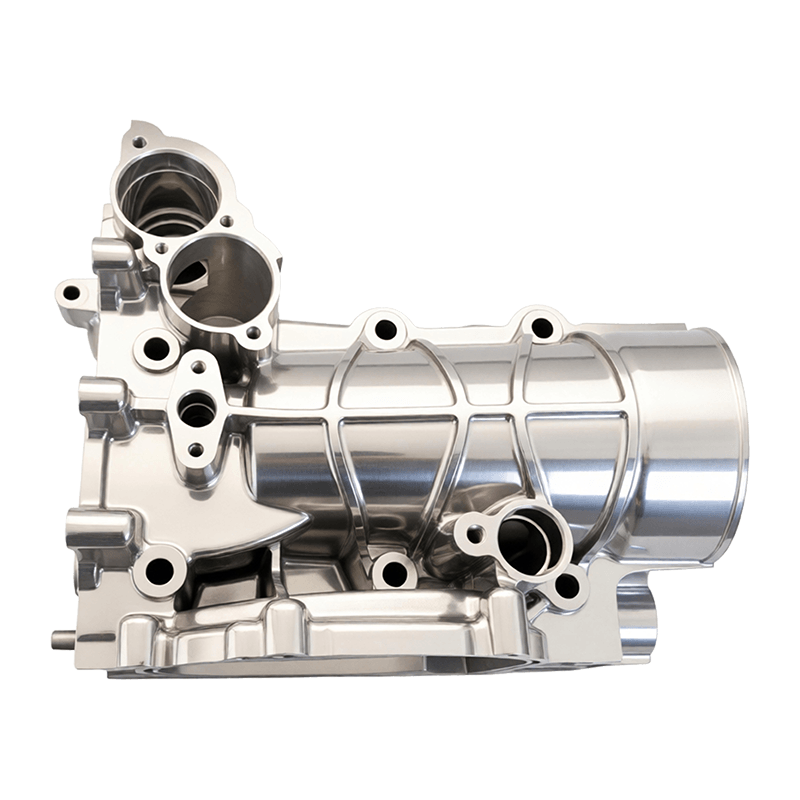
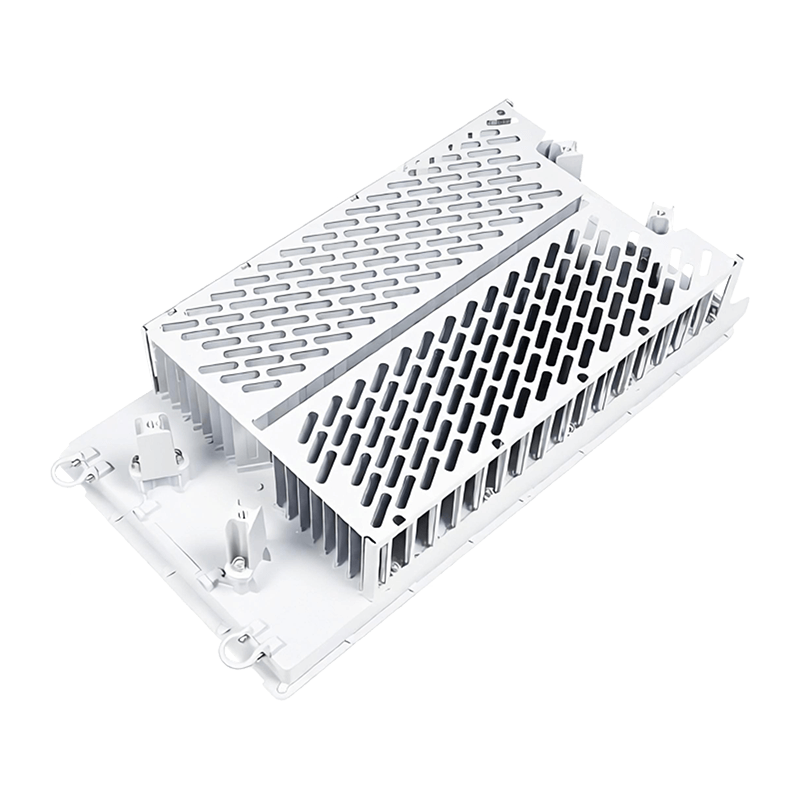
The Die Casting Hongtai Relocation Cylinder Head is developed for applications in which the position, orientation, or arrangement of cylinder-head features must be adapted to meet specific vehicle or powertrain packaging requirements. Its production characteristics include uniformly controllable coating thickness, superior dimensional accuracy, high material density, enhanced sealing performance, corrosion resistance, refined edge details, good adaptability to complex cavities, stable production efficiency, and strong batch consistency.
These characteristics make the product suitable for demanding automotive and new-energy-related manufacturing programs where the component must fit accurately with adjacent assemblies and remain reliable under thermal, mechanical, and environmental stresses. Rather than treating the cylinder head as a simple cast metal part, the manufacturing approach considers the complete product life cycle, including design engineering, mold construction, die-casting parameters, trimming, finishing, inspection, and delivery.
The component is produced by a company with capabilities covering mold design, mold manufacturing, aluminum alloy die casting, finishing, quality control, and trade. Its production background combines long-term mold-making experience with modern manufacturing equipment, process-management systems, and customer-oriented engineering support. This integrated model helps reduce communication gaps between design and production while supporting more efficient product development and stable mass production.
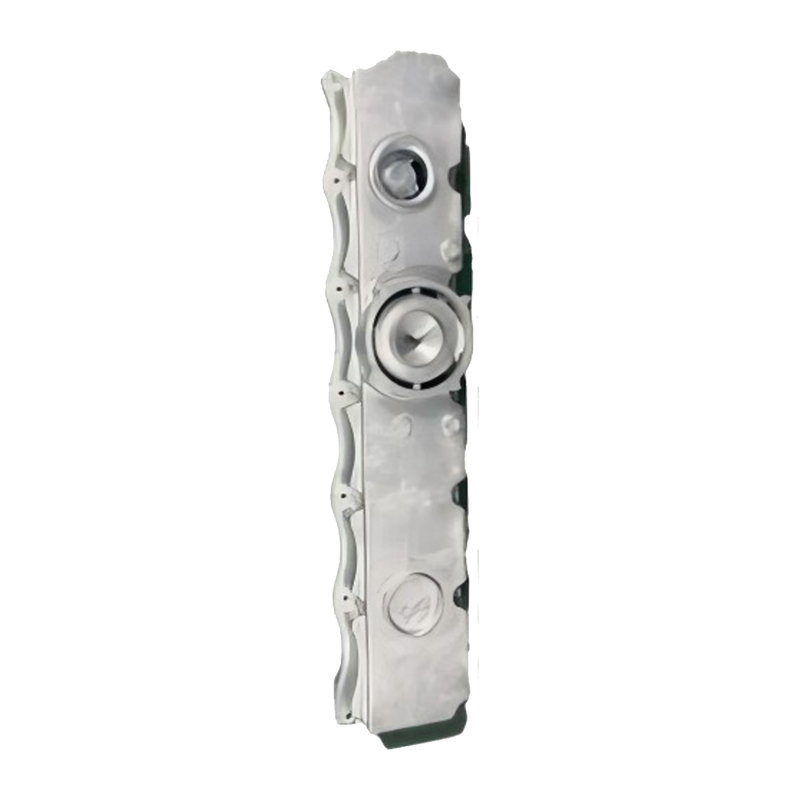
Die casting Hongtai Relocation Cylinder Head
A cylinder head is a critical component in an internal combustion engine or related powertrain assembly. It forms an upper boundary for the combustion chamber and commonly incorporates or supports passages, mounting interfaces, sealing surfaces, cooling channels, and other functional features. When the component is relocated or redesigned for a particular platform, the manufacturing challenge extends beyond basic shape replication. The part must preserve the required relationships among multiple features while fitting within a new spatial envelope.
The Hongtai Relocation Cylinder Head is categorized as a die-casting new-energy part, reflecting the wider development of lightweight aluminum alloy components for modern mobility systems. The product may be used in programs where weight reduction, compact installation, high-volume repeatability, and integrated structural design are important. Its die-cast construction supports the production of geometrically complex aluminum alloy components while reducing the need for extensive secondary assembly.
The product’s main manufacturing value lies in the relationship between material behavior, mold precision, and process control. Aluminum alloy die casting can fill complex cavities at high speed, reproduce fine edges, and form integrated features that would otherwise require several machining or joining operations. However, the benefits of die casting depend on disciplined mold design and carefully controlled production conditions.
For a relocation cylinder head, dimensional control is especially important. Mounting faces, connection areas, sealing interfaces, openings, and alignment features must remain within the required tolerances so that the component can be assembled correctly. Even a small deviation may affect gasket compression, the position of connected components, or the alignment of passages and fasteners. A stable die-casting process helps limit variation between individual parts and supports more predictable downstream machining and assembly.
The product is designed around several key performance characteristics. Uniformly controllable coating thickness supports consistent surface protection and appearance where coating or finishing is specified. A stable coating layer can contribute to corrosion resistance and help ensure that treated surfaces perform consistently across different areas of the component.
Superior dimensional accuracy is another major feature. The die and associated tooling are developed to reproduce the intended geometry repeatedly. Accurate casting dimensions reduce the amount of corrective machining required and improve compatibility with adjacent components. This is particularly valuable for automotive production lines, where high-volume assembly depends on predictable part geometry.
High density contributes to the component’s structural quality. Properly controlled filling, pressure, temperature, and solidification conditions help reduce the risk of internal discontinuities and support a more uniform cast structure. Although the final performance of every part depends on the approved alloy and customer specifications, a controlled high-pressure die-casting process provides a strong basis for producing reliable aluminum alloy components.
Enhanced sealing performance is supported by the accuracy and quality of functional interfaces. A well-formed sealing surface, combined with appropriate machining and inspection, helps maintain the required contact condition between the cylinder head and connected components. This can reduce the risk of leakage and support stable operation in assemblies exposed to pressure, temperature changes, vibration, or fluids.
Excellent edge detailing performance allows the mold to reproduce small steps, transitions, ribs, bosses, and other localized features with greater consistency. Clear and stable edge definition can improve assembly fit, facilitate trimming and finishing, and support the appearance of the finished component.
Good adaptability to complex cavities is essential for a relocation design. The mold must accommodate changing wall sections, ribs, internal passages, curved transitions, draft requirements, ejector arrangements, and local reinforcement structures. Through mold-flow analysis and design review, potential filling or solidification concerns can be considered before the mold enters full production.
Stable production efficiency and strong batch consistency are particularly important for original equipment manufacturers and tier suppliers. A component may be technically successful as a prototype but still fail to meet commercial requirements if production output is unstable or if quality varies from batch to batch. The manufacturing system is therefore organized to connect engineering validation with repeatable production control.
Die casting is widely used for aluminum alloy automotive parts because it combines productivity, geometric flexibility, and material efficiency. In the process, molten aluminum alloy is injected into a precision steel mold under controlled pressure and speed. The metal fills the cavity rapidly, solidifies against the mold surfaces, and is then ejected for trimming and further processing.
This process is particularly suitable for components that require complex three-dimensional forms. A relocation cylinder head may contain multiple mounting points, curved surfaces, transition areas, sealing zones, ribs, and integrated interfaces. Producing all these features through machining from a solid block would generate considerable material waste and require a longer production cycle. Die casting can create much of the basic geometry in a single forming operation.
Another advantage is the ability to integrate functional structures into the casting. Ribs can be used to improve stiffness without adding excessive mass, while bosses and mounting structures can be formed as part of the component. This integration can reduce the number of separate parts and simplify assembly. It may also improve overall packaging by allowing the design team to place features closer together within the available installation space.
Aluminum alloy is well suited to lightweight automotive design because it offers a useful combination of low density, castability, corrosion resistance, and thermal conductivity. The selected alloy, heat treatment requirements, coating specifications, and machining allowances must be determined according to the customer’s application. The manufacturing process is then adjusted to support the approved technical requirements.
Compared with less integrated manufacturing routes, die casting can provide a more efficient path from raw material to near-net-shape component. Reduced material removal can lower machining time, and a carefully designed mold can maintain repeatable feature positions across a high-volume production run. The result is a manufacturing route that supports both productivity and design flexibility.
Machining a cylinder-head component from a billet or large casting can provide excellent dimensional control, but it may require substantial material removal. This increases cycle time, tool consumption, and material waste. It can also make it more difficult to create complex external ribs, deep cavities, or integrated mounting structures economically.
Die casting forms a near-net-shape blank that requires machining mainly on selected functional surfaces. This approach allows the manufacturer to reserve precision machining for areas where tight tolerances or smooth surface conditions are necessary. The balance between cast accuracy and secondary machining can be optimized during product and mold development.
Die casting does not eliminate the need for engineering control. The process must address possible porosity, trapped air, incomplete filling, thermal distortion, flash, and die wear. For that reason, the advantage of die casting is greatest when supported by professional mold design, simulation, equipment maintenance, process monitoring, and inspection.
A fabricated or multi-part solution may involve separate pieces joined by welding, fasteners, or other methods. Such solutions can increase the number of interfaces and introduce additional opportunities for leakage, misalignment, or assembly variation. A die-cast integrated design can reduce the number of joints and provide a more consistent base geometry.
Integrated casting may also reduce assembly labor and improve the repeatability of the finished product. Features that are difficult to align manually can be formed directly into the mold. This is beneficial when the component must be produced in large quantities and installed through automated or semi-automated assembly processes.
At the same time, the choice between integrated casting and separate components must be made through engineering evaluation. Mold complexity, service requirements, repair considerations, and production volume all influence the appropriate solution. The manufacturer’s experience in mold design and die casting allows these factors to be considered together rather than evaluated in isolation.
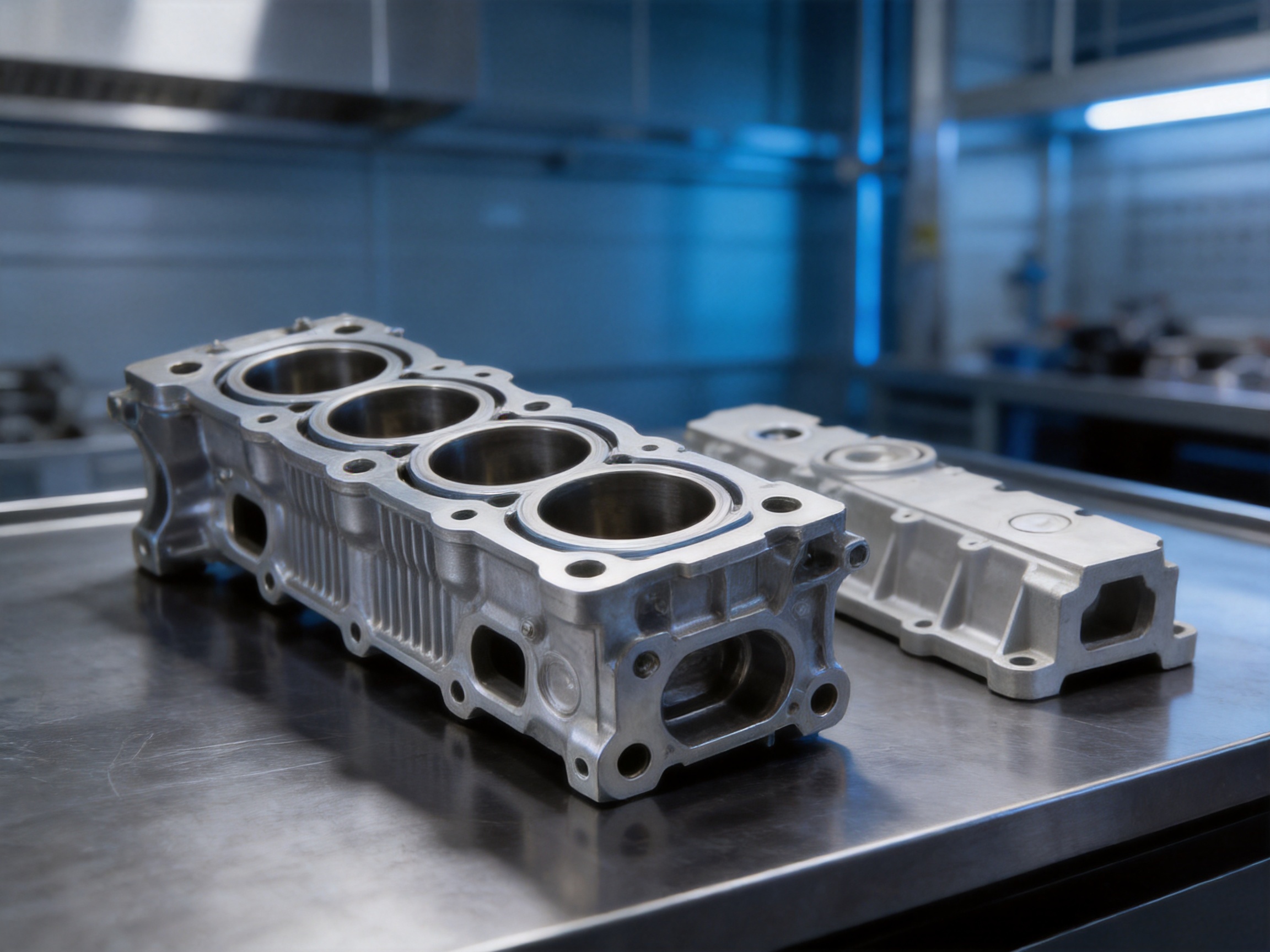
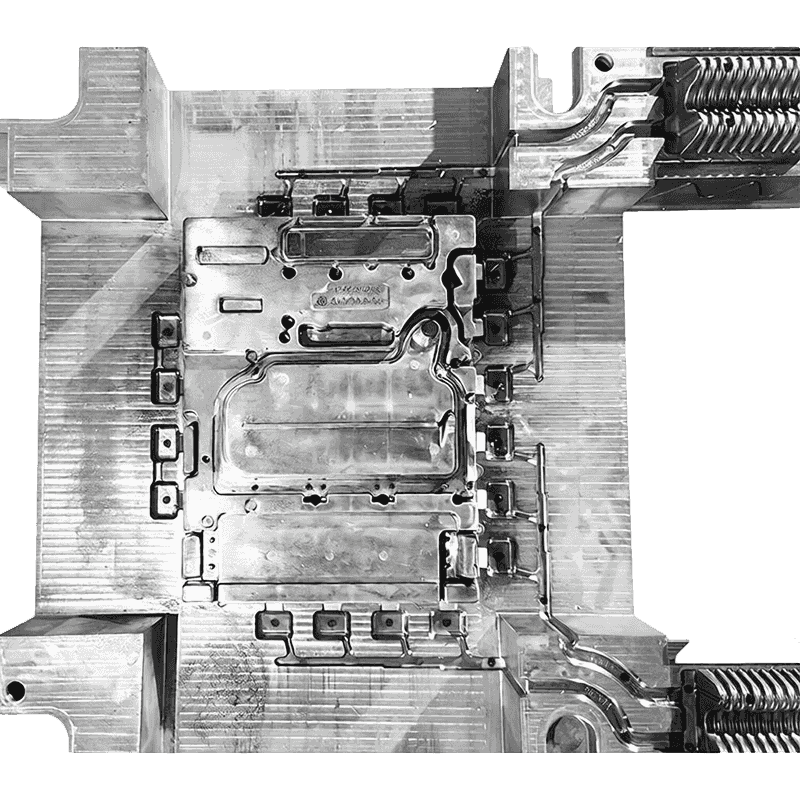
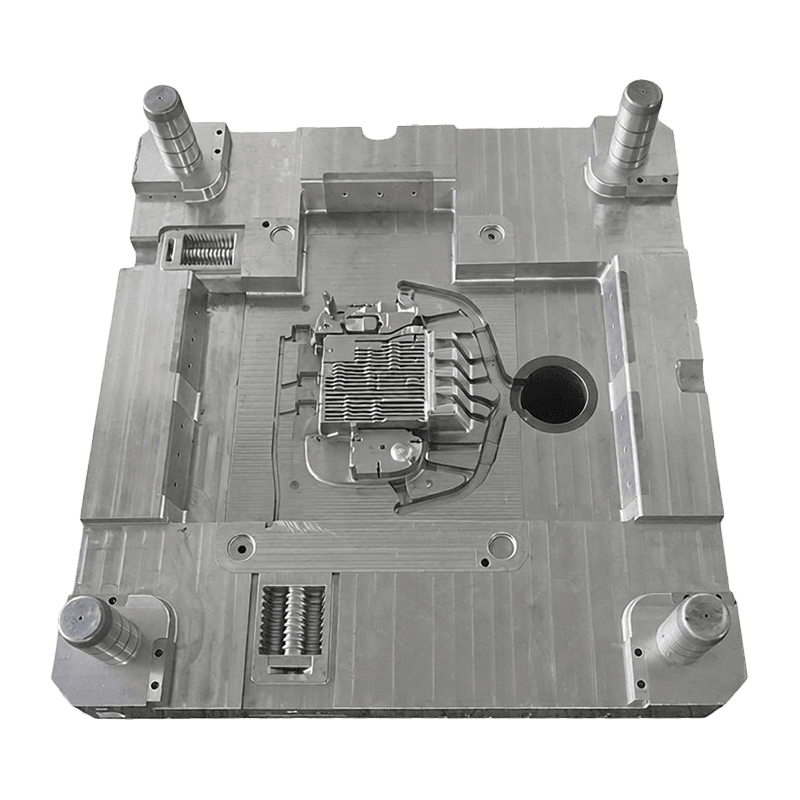
The mold is one of the most important determinants of die-cast component quality. For a relocation cylinder head, the mold must reproduce the external profile, control critical interfaces, provide suitable filling paths, manage solidification, and permit reliable ejection. The design also needs to account for draft angles, parting lines, slides, cores, ejector pins, cooling channels, overflow areas, and trimming requirements.
The engineering process begins with an understanding of the customer’s three-dimensional model, technical drawings, material requirements, functional tolerances, surface expectations, and production objectives. Engineers review the part for manufacturability before final mold construction. This review may identify areas where wall thickness, corner radii, draft, or feature placement could affect filling, shrinkage, machining, or tool life.
Mold-flow analysis is used to visualize and optimize the proposed design in advance. The analysis can help evaluate metal flow direction, filling time, temperature distribution, air entrapment risk, solidification behavior, and possible areas of shrinkage. It does not replace physical validation, but it provides valuable information for making design decisions before steel is cut.
By considering filling behavior during the design stage, the engineering team can refine gate locations, overflow arrangements, runner dimensions, cooling layouts, and local wall structures. Such improvements may reduce the likelihood of defects and support a more stable process window. Early analysis is also useful for identifying potential machining or inspection challenges.
Once the design has been reviewed and approved, mold construction is carried out using high-precision machining equipment and controlled assembly procedures. CNC machining centers are used to manufacture cavity components and other mold elements according to the approved data. Electrical discharge machining can be applied to areas requiring detailed shapes, narrow slots, or geometries that are difficult to produce through conventional cutting.
Mold accuracy depends not only on machine capability but also on programming, tool selection, fixture stability, measurement, surface treatment, and assembly quality. The mold components must be inspected individually and then checked as an assembled system. Parting surfaces, slides, inserts, cores, and ejector mechanisms must work together smoothly to avoid flash, sticking, dimensional drift, or premature tool damage.
Die materials and surface conditions are selected according to production requirements. Areas exposed to high thermal cycling or severe metal flow may require particular attention to hardness, cooling, polishing, and maintenance. Proper mold maintenance helps preserve cavity accuracy and reduces unexpected interruptions during mass production.
The company’s experience in both mold manufacturing and die casting provides an operational advantage. Mold designers can receive direct feedback from casting and finishing personnel, while production engineers can communicate practical requirements during the development stage. This integrated communication supports faster problem solving and helps ensure that the mold is designed for actual production rather than only for theoretical manufacturability.
The manufacturing process for the relocation cylinder head is organized into several connected stages. Each stage contributes to the quality of the final product, and no single operation can compensate fully for weaknesses in another. Material preparation, melting, die preparation, injection, cooling, ejection, trimming, finishing, machining, inspection, and packaging must therefore be managed as one production system.
Aluminum alloy material is prepared according to the approved product specification. The material must be handled in a way that supports consistency in chemical composition and cleanliness. Melting equipment, temperature control, holding practices, and transfer procedures all affect the condition of the molten metal before injection.
Stable molten-metal temperature is important because excessive variation can influence filling behavior, surface quality, solidification, and cycle stability. The production team controls the process according to the alloy and component requirements. Attention is also given to dross management and the prevention of unwanted contamination.
Before casting begins, the die is inspected, cleaned, and prepared for operation. Release agent application must be controlled so that the part can be ejected reliably without creating excessive deposits or affecting surface quality. Cooling systems, slides, cores, ejectors, and safety functions are checked as part of the setup procedure.
Correct die temperature contributes to stable filling and solidification. A die that is too cold may increase the risk of premature freezing or incomplete filling, while excessive temperature may influence cycle time, surface condition, and tool life. The appropriate operating range is established during process development and verified during production.
During injection, molten aluminum alloy enters the cavity at controlled speed and pressure. The filling profile is designed to balance rapid cavity completion with the need to reduce turbulence and air entrapment. The exact parameters depend on the component geometry, alloy, die design, and equipment configuration.
For a complex relocation cylinder head, a carefully developed filling sequence is important because the cavity may contain several changes in direction and localized features. The metal must reach these areas before solidifying while allowing trapped air and excess material to move toward appropriate overflow or venting locations.
Process monitoring helps maintain repeatability. Important variables may include injection speed, pressure, intensification behavior, die temperature, molten-metal temperature, cycle time, and cooling conditions. By maintaining these variables within approved ranges, the production team can support consistent part quality and limit unnecessary variation.
After the cavity is filled, the casting remains under pressure while it solidifies. Cooling channel design and cycle control influence the solidification pattern and the dimensional stability of the part. Uniform cooling is desirable, although local adjustments may be necessary because different areas of the component have different wall thicknesses and heat loads.
Once the casting reaches the required condition, the die opens and the ejector system removes the part. Ejection must be balanced to avoid deformation, sticking, or damage to delicate features. The location and force of ejector pins are considered during mold design and validated during production.
Castings normally include runners, gates, overflows, and flash that must be removed. Automated trimming lines or dedicated trimming equipment can improve efficiency and consistency, particularly for stable high-volume products. Manual finishing may still be used for selected areas or for operations requiring special attention.
Finishing operations may include deburring, edge refinement, shot blasting, surface cleaning, machining, coating, or other customer-approved treatments. The goal is to produce a component with clean edges, controlled surface condition, and reliable functional interfaces. Effective finishing also contributes to visual quality and reduces the possibility of loose fragments entering the customer’s assembly process.
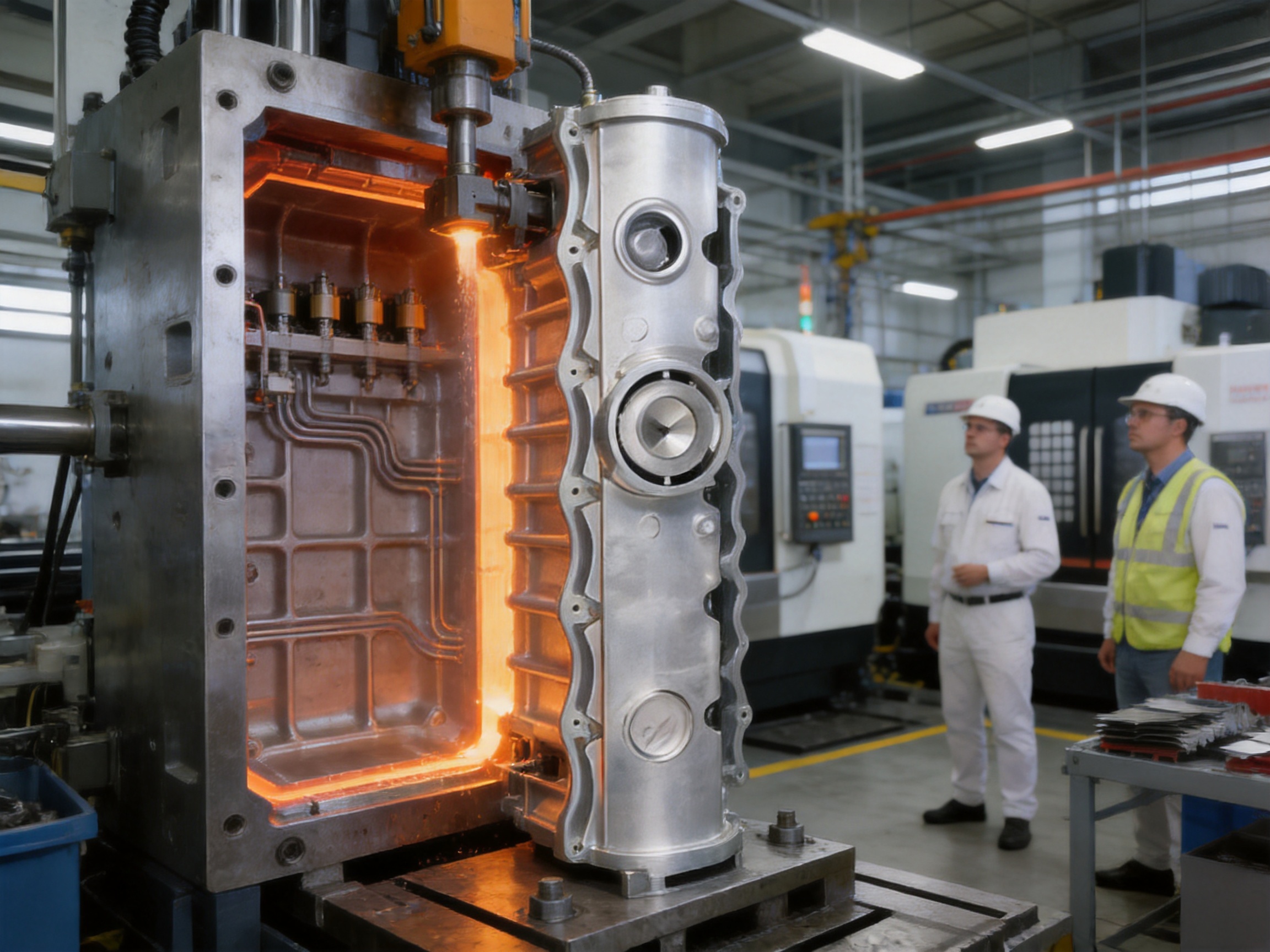
Surface treatment is an important part of the product’s performance and appearance. The stated product characteristics include uniformly controllable coating thickness, corrosion resistance, and strong edge-detailing performance. These properties are achieved through the combined control of casting quality, surface preparation, coating application, curing or drying conditions, and inspection.
Uniform coating thickness is valuable because excessive variation can create inconsistent protection, dimensional interference, or an uneven appearance. Thin areas may offer less resistance to environmental exposure, while overly thick areas may affect fit or produce surface defects. A controlled process helps maintain a more balanced coating layer across the component.
Surface preparation is necessary before coating. Residual release agent, oil, dust, oxide, flash, and other contaminants can reduce coating adhesion. Cleaning and pretreatment procedures are therefore selected according to the coating system and the customer’s technical requirements. The finished product is evaluated using appropriate inspection methods for thickness, adhesion, appearance, and coverage.
Corrosion resistance is influenced by the aluminum alloy, surface condition, coating system, storage environment, and service exposure. No coating should be considered independently from the complete product specification. The manufacturer works with customer requirements to define the applicable treatment, inspection criteria, and packaging method.
Good edge detailing is also important to coating performance. Sharp unwanted edges can produce uneven coverage or become vulnerable during handling. Controlled trimming and edge finishing help create more consistent transitions and improve the overall quality of the treated component.
The relocation cylinder head may connect with gaskets, covers, fasteners, brackets, fluid passages, and other powertrain components. Dimensional accuracy is therefore directly connected to assembly performance. Critical dimensions may include mounting-hole positions, sealing-face flatness, interface geometry, bore or opening locations, and the relationship between multiple reference surfaces.
Die-cast accuracy is influenced by mold condition, thermal balance, alloy behavior, injection parameters, cooling, ejection, trimming, and machining. Process engineers consider these influences during development. Where tighter tolerances are required than can be achieved in the as-cast condition, selected surfaces are machined to the customer’s specification.
Sealing performance depends on more than surface appearance. It is affected by flatness, roughness, dimensional position, gasket compression, bolt loading, material compatibility, and the operating environment. The manufacturing process therefore aims to provide stable sealing interfaces that can be finished and inspected consistently.
High-density casting quality can support sealing reliability by reducing the risk of leakage paths associated with internal discontinuities. The actual acceptance criteria depend on the component design and customer requirements, and may include pressure testing, dimensional verification, visual inspection, or other approved methods.
Consistent sealing performance also benefits assembly efficiency. When interfaces are predictable, operators and automated equipment can install the part with fewer adjustments. Reduced variation can lower the risk of rework and support smoother production-line operation.
Quality control is integrated throughout the manufacturing process rather than limited to a final inspection. The company operates according to ISO 9001 and IATF 16949 quality-management certifications. These systems provide a framework for process documentation, corrective action, traceability, customer communication, and continuous improvement.
IATF 16949 is particularly relevant to automotive manufacturing because it emphasizes risk-based thinking, process control, defect prevention, product safety considerations, and supply-chain quality. Certification alone does not guarantee the performance of a specific part, but a structured quality system supports disciplined execution and consistent documentation.
Incoming inspection may cover raw material identification, documentation, and condition. During production, process checks can include die temperature, metal temperature, machine parameters, cycle time, visual condition, flash, trimming quality, and selected dimensions. The scope and frequency of these checks are established according to the product-control plan.
Process inspection is valuable because it can identify drift before a large quantity of parts is produced. If a parameter moves outside its approved range, the responsible team can investigate the cause, isolate potentially affected material, and implement corrective action. This approach is more efficient than relying only on final sorting.
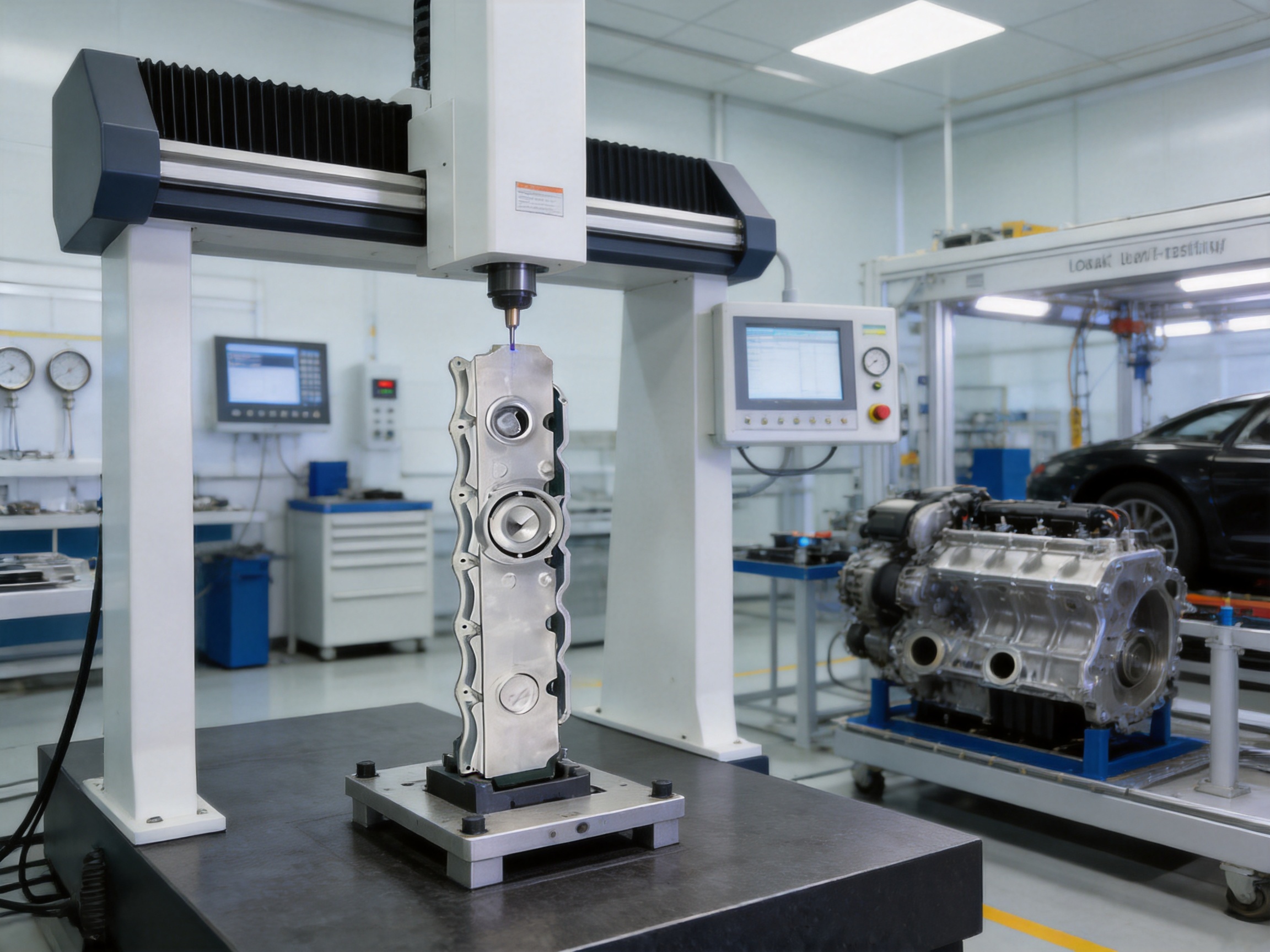
Dimensional inspection verifies whether the casting and finished component meet the approved drawings or three-dimensional data. Measuring equipment may include coordinate measurement systems, gauges, calipers, height gauges, optical tools, and specialized fixtures. The choice depends on the feature, tolerance, production volume, and inspection objective.
Surface inspection evaluates flash, cracks, cold shuts, deformation, dents, coating condition, edge quality, and other visible characteristics. Critical surfaces may receive additional inspection after machining or coating. Inspection results are recorded to support traceability and process analysis.
Where required, the component may undergo leak testing, pressure testing, coating-thickness measurement, roughness inspection, or other functional verification. These tests should be selected according to the application and agreed technical documentation. The purpose is to confirm that the product performs as an assembly component, not merely that it has the correct external appearance.
Quality data can also be used for continuous improvement. Repeated measurements reveal trends in tool wear, process drift, or dimensional change. Engineering teams can use this information to adjust maintenance schedules, refine process parameters, or improve mold features.
The company operates a modern manufacturing facility with approximately 15,000 square meters of plant space. Its equipment includes high-precision CNC machining centers, electrical discharge machining equipment, die-casting machines, automated trimming lines, and testing equipment. This combination supports the complete sequence from mold construction to finished aluminum alloy products.
High-precision CNC equipment is used for mold components and secondary machining. EDM equipment supports the production of detailed mold features. Die-casting machines provide the forming capacity required for aluminum alloy components, while automated trimming lines help improve production efficiency and repeatability.
The availability of mold-making and casting resources within one manufacturing organization can shorten the feedback cycle between tool development and production. If a casting issue is discovered, engineering personnel can review the mold design, process parameters, and finishing requirements together. This can reduce delays compared with a fragmented supply chain in which each stage is handled by a separate organization.
Production capacity is not measured only by machine size or quantity. It also depends on mold changeover, maintenance, operator training, material supply, inspection resources, production scheduling, and documented procedures. Stable batch production requires these elements to operate as a coordinated system.
The product’s competitive advantages arise from both its technical characteristics and the manufacturing system behind it. A supplier may offer a similar aluminum alloy part, but differences in engineering depth, mold quality, process control, and quality documentation can significantly affect total project performance.
Because the company provides mold design, mold manufacturing, die casting, finishing, and trade services, customers can coordinate multiple stages through one technical partner. This can simplify communication and reduce the risk that design information is lost between organizations. It also allows mold and casting engineers to work toward the same production goals.
Mold-flow analysis and manufacturability review provide opportunities to identify potential problems before mass production. Early engineering input can reduce the need for late design changes, unexpected tooling modifications, or extensive sorting after production begins. It can also help customers evaluate alternative design solutions more efficiently.
Strong batch consistency is valuable for automotive customers because assembly operations depend on predictable dimensions and surface conditions. Stable process parameters, inspection plans, equipment maintenance, and employee experience all contribute to repeatable output. Consistency also helps customers manage inventory, production planning, and warranty risk.
The ability to adapt to complex cavities is a practical advantage for relocation cylinder heads. Modern components often need to combine lightweight structures with mounting, sealing, cooling, and packaging requirements. A capable die-casting supplier can help transform these requirements into an efficient mold and casting solution.
ISO 9001 and IATF 16949 certification demonstrate that the company has established formal management systems for quality-related activities. Combined with testing equipment, documented processes, and experienced personnel, these systems support reliable communication with automotive and industrial customers.
The product is primarily associated with automotive and new-energy-related manufacturing. Its design and production characteristics may support applications requiring lightweight aluminum alloy construction, compact packaging, integrated features, and consistent assembly interfaces.
Automotive applications can include powertrain assemblies, thermal-management structures, engine-related components, and other systems where aluminum alloy die casting provides weight and integration benefits. The exact application depends on the customer’s design, operating conditions, and technical approval process.
The broader production capabilities of the manufacturer also cover household appliance parts, telecommunication parts, photovoltaic components, electrical products, motorcycle components, pump and valve products, fitness equipment, robotic components, and other aluminum alloy products. Experience across these sectors can contribute to a wider understanding of casting design, surface requirements, and production control.
For new-energy equipment, weight reduction and functional integration are increasingly important. Even when a part is not directly part of an electric motor or battery system, the same development priorities may apply: compact design, repeatable production, corrosion protection, efficient heat management, and compatibility with automated assembly.
A successful relocation cylinder-head program begins with clear communication between the customer and the manufacturer. Relevant information may include three-dimensional models, two-dimensional drawings, material specifications, tolerance requirements, coating standards, inspection criteria, annual volume, packaging expectations, and delivery schedules.
During technical review, engineers can evaluate the proposed geometry for casting feasibility and identify critical characteristics. The customer and supplier may then agree on parting lines, machining allowances, gate locations, overflow positions, inspection datums, and surface-treatment requirements. Establishing these details early helps prevent misunderstandings during tooling and trial production.
Prototype or trial tooling may be used to validate filling, ejection, trimming, machining, and assembly fit. Results from trial production can guide adjustments to process parameters or mold details before the production tool is released. Dimensional reports, sample approvals, and process documents provide a structured basis for moving toward mass production.
Communication remains important after production begins. If the customer changes a mating component, coating standard, material requirement, or annual volume, the effect on the casting and tooling process should be evaluated. An experienced supplier can help determine whether the change affects the mold, machining, inspection, or production schedule.
Die casting can support more efficient material use by producing near-net-shape components. Compared with machining a part entirely from a solid block, the process can reduce the quantity of material removed during secondary operations. The use of integrated features can also reduce the number of separate parts, fasteners, and assembly steps.
Production efficiency is influenced by cycle time, automated trimming, mold life, equipment utilization, scrap control, and process stability. Reducing defects is important not only for cost but also for material and energy efficiency. A stable process produces more acceptable parts from the same quantity of raw material and limits the need for remelting or reprocessing.
Maintenance and mold-flow optimization also contribute to resource efficiency. A well-maintained mold operates more predictably, while a well-designed filling system can help reduce excessive overflow, flash, and trimming waste. These improvements should be evaluated together with quality requirements so that efficiency does not compromise component performance.
Packaging design is another consideration. Protective packaging should prevent damage to coated surfaces and sealing interfaces while avoiding unnecessary material use. The most appropriate packaging method depends on part geometry, shipping distance, storage time, and customer handling processes.
When selecting a supplier for a relocation cylinder head, buyers should evaluate more than the quoted unit price. The tooling concept, material control, process capability, quality documentation, inspection equipment, production capacity, and communication process all affect the total cost and project risk.
Technical buyers should ask how the supplier reviews the casting design, whether mold-flow analysis is available, how critical dimensions are defined, and how the supplier plans to control porosity, flash, distortion, and surface quality. It is also useful to understand the proposed machining and coating processes.
Quality teams may review certification status, control plans, inspection reports, traceability arrangements, nonconformance procedures, and corrective-action processes. If the part is safety-critical or exposed to pressure, the customer should clarify the required functional tests and acceptance criteria before tooling begins.
Purchasing teams should consider the supplier’s ability to support both initial development and long-term production. A supplier with integrated mold and casting capabilities may provide better continuity when design modifications, production increases, or process improvements are required.
| Evaluation Area | Relevant Considerations | Productive Benefit |
|---|---|---|
| Tooling engineering | Parting-line review, mold-flow analysis, draft, cooling, ejection, and maintenance planning | Improves manufacturability and supports stable production |
| Die casting | Alloy control, filling speed, pressure, temperature, cycle time, and process monitoring | Supports high density, dimensional consistency, and repeatable output |
| Finishing | Trimming, deburring, machining, coating, and edge control | Improves assembly fit, surface protection, and appearance |
| Inspection | Dimensional measurement, coating checks, visual inspection, and functional testing | Reduces variation and verifies customer requirements |
| Quality systems | ISO 9001, IATF 16949, traceability, corrective action, and documented procedures | Provides a structured basis for automotive supply |
| Production support | Mold maintenance, technical communication, capacity planning, and delivery coordination | Improves continuity from prototype to mass production |
A relocation cylinder head is a cylinder-head component whose geometry or functional interfaces have been adapted to suit a different installation position, packaging arrangement, or powertrain configuration. The design may alter mounting features, passage locations, external profiles, or other interfaces while preserving the required assembly and operating functions.
Aluminum alloy offers low density, good castability, useful thermal conductivity, and suitable corrosion resistance for many automotive applications. It can be formed into complex shapes through die casting and can support integrated ribs, bosses, passages, and mounting features. The specific alloy must be selected according to the customer’s mechanical, thermal, and environmental requirements.
Die casting can produce complex geometry with repeatable dimensions, reduce material waste compared with machining from a solid block, integrate multiple features into one component, and support efficient high-volume production. Its performance depends on appropriate mold design, alloy control, injection parameters, cooling, finishing, and inspection.
Dimensional accuracy is supported through mold-flow analysis, precision mold machining, controlled die-casting parameters, stable cooling and ejection, secondary machining where necessary, and dimensional inspection. Critical dimensions are identified during technical review and monitored according to the approved control plan.
Sealing performance is supported by accurate interfaces, controlled surface condition, suitable machining, stable material quality, and inspection of relevant dimensions and surfaces. If required, functional testing such as leak or pressure testing can be included according to customer specifications.
Uniform coating thickness means that the protective or functional surface layer is applied within a controlled range across the specified areas of the component. This helps provide more consistent corrosion protection, appearance, and dimensional behavior. The exact coating thickness and inspection method depend on the customer’s standard.
Yes. The product is developed for die-casting conditions involving complex cavities and detailed geometry. Mold-flow analysis, precision machining, appropriate draft, controlled filling, and suitable ejection design help the mold reproduce these features consistently. Final feasibility depends on the approved part design.
The company has obtained ISO 9001 and IATF 16949 quality-management system certifications. These certifications provide a formal framework for quality planning, process control, documentation, corrective action, and continuous improvement.
The manufacturing facility includes high-precision CNC machining centers, EDM equipment, die-casting machines, automated trimming lines, and testing equipment. These resources support mold construction, casting, finishing, inspection, and related production operations.
The company provides mold design, mold manufacturing, die casting, finishing, and trade services, allowing it to support customized aluminum alloy components. Customers should provide the relevant drawings, models, material requirements, tolerances, coating standards, expected volumes, and inspection criteria for a detailed engineering review.
Its production capabilities support automotive, new-energy, photovoltaic, telecommunications, electrical, motorcycle, pump and valve, household appliance, fitness equipment, robotic, and other industrial applications involving aluminum alloy parts and molds.
Mold-flow analysis helps visualize filling behavior, temperature distribution, potential air entrapment, solidification, and other factors before the mold is manufactured. It allows engineers to optimize the design earlier, which may reduce tooling changes and improve the likelihood of stable trial production.
Customers should provide the component model and drawings together with material, tolerance, coating, testing, annual-volume, and packaging requirements. A technical review can then determine casting feasibility, mold structure, machining needs, inspection methods, trial-production requirements, and an appropriate commercial plan.
The Die Casting Hongtai Relocation Cylinder Head represents the value of combining a complex automotive design with an integrated aluminum alloy die-casting process. Its key characteristics include controllable coating thickness, dimensional accuracy, high density, sealing reliability, corrosion resistance, detailed edges, adaptability to complex cavities, stable efficiency, and consistent batch production.
These benefits are supported by a manufacturing system that includes mold design, mold-flow analysis, precision mold construction, die casting, automated trimming, finishing, machining, testing, and quality management. The company’s ISO 9001 and IATF 16949 certifications, modern equipment, experienced design team, and broad industry background provide a structured foundation for customized automotive and new-energy component production.
For customers evaluating suppliers, the most important advantage is not a single machine or isolated process. It is the ability to connect engineering decisions with production reality. A well-designed mold, carefully controlled casting process, disciplined finishing operation, and documented inspection system work together to create a component that is easier to assemble, more consistent in service, and more suitable for long-term volume production.
As automotive and new-energy platforms continue to demand lighter, more integrated, and more precisely packaged components, relocation cylinder heads will require increasingly capable manufacturing solutions. An integrated die-casting partner can help transform complex product requirements into reliable production results while supporting quality, efficiency, and continuous improvement throughout the project life cycle.
1. International Organization for Standardization. ISO 9001: Quality Management Systems—Requirements.
2. International Automotive Task Force. IATF 16949: Quality Management System Requirements for Automotive Production and Relevant Service Parts Organizations.
3. European Aluminium Association. Applications and Manufacturing Considerations for Cast Aluminum Components.
4. American Foundry Society. Die Casting Engineering and Process-Control Principles.
5. NADCA. Product Specification Standards for Die Castings.
6. ASM International. Aluminum and Aluminum Alloys: Casting, Processing, and Engineering Applications.
7. Society of Automotive Engineers. Automotive Lightweight Materials and Manufacturing Integration Practices.
8. Company technical information supplied for the Die Casting Hongtai Relocation Cylinder Head and related manufacturing capabilities.

Die casting automotive parts are made by forcing molten metal into a steel mold under high pressure, where it fills t...
READ MOREBefore a part ever reaches production, every buyer eventually asks the same question: should this component be injectio...
READ MORETwo quotations for the same aluminum controller housing can differ by 20% or more, even when both suppliers list the sa...
READ MOREMetal Injection Molding vs Die Casting: Start With the Part A buyer often arrives at this comparison with two very diff...
READ MORE

Sun Yuejun: +86-13806631860
Wang Shiyong: +86-15958891460 / 15058297768
Dove Yao: +86-18625086675


Copyright © Ningbo Dinghong Mould Co., Ltd. Rights Reserved. Custom Precision Die Casting Aluminum Alloy Parts Manufacturers
