
 English
 Español
 русский
 Français

A mold quote for an aluminum die casting mold can swing by 30–50% for the same nominal part. The difference is rarely t...
READ MORE
Content
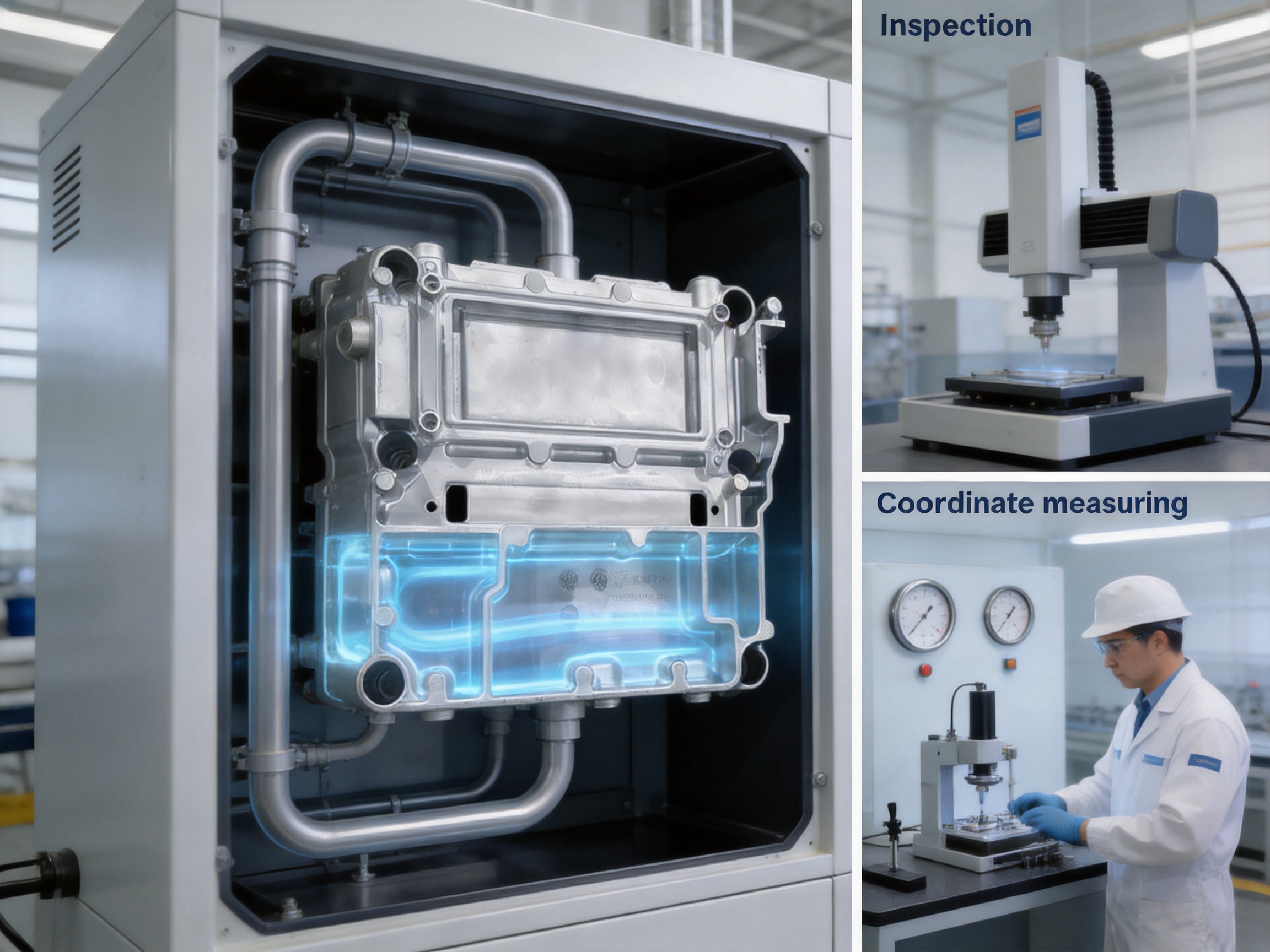
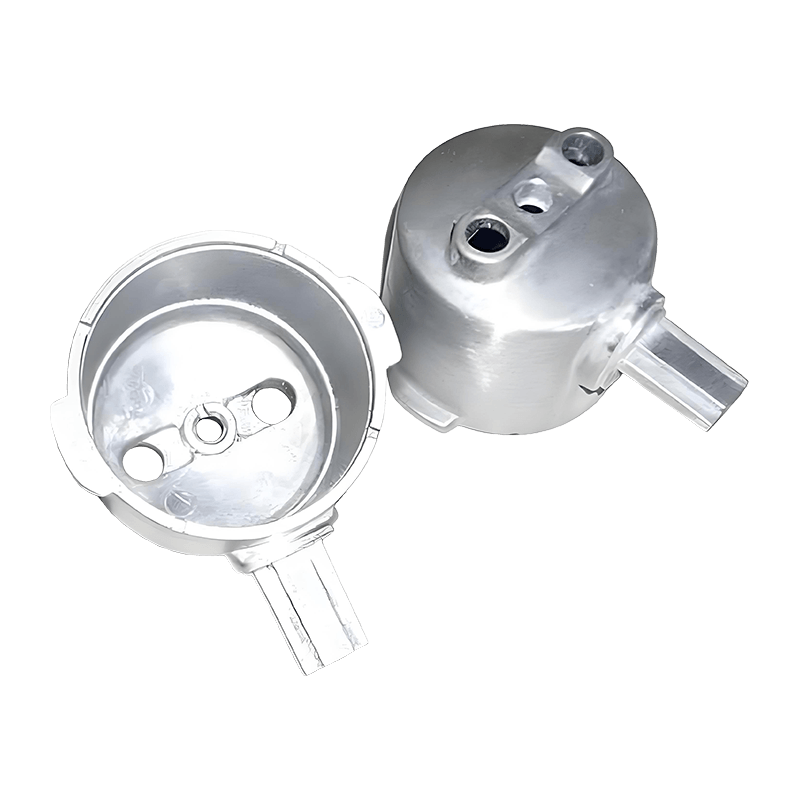
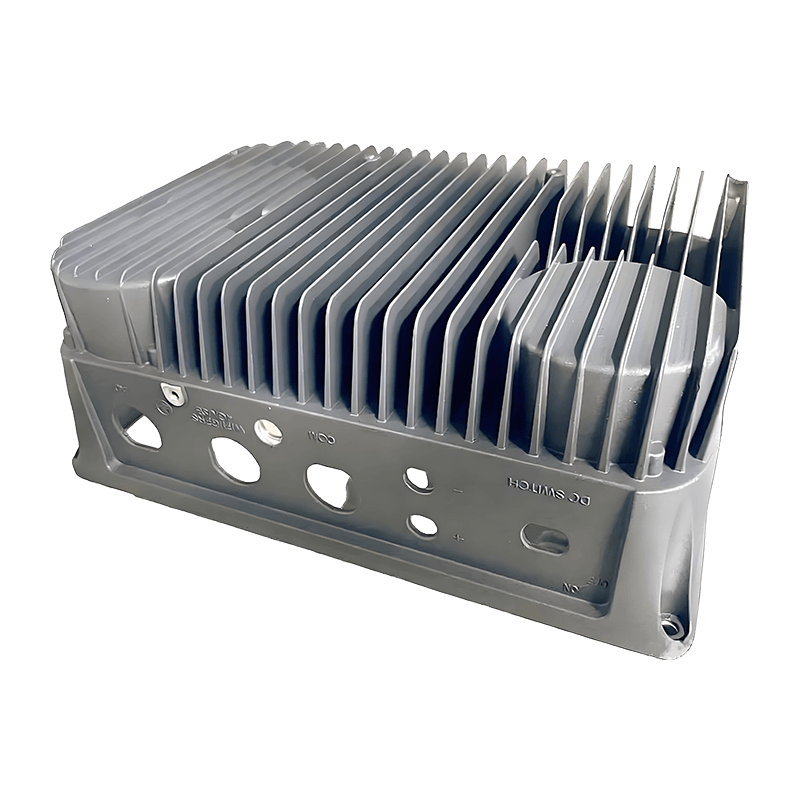
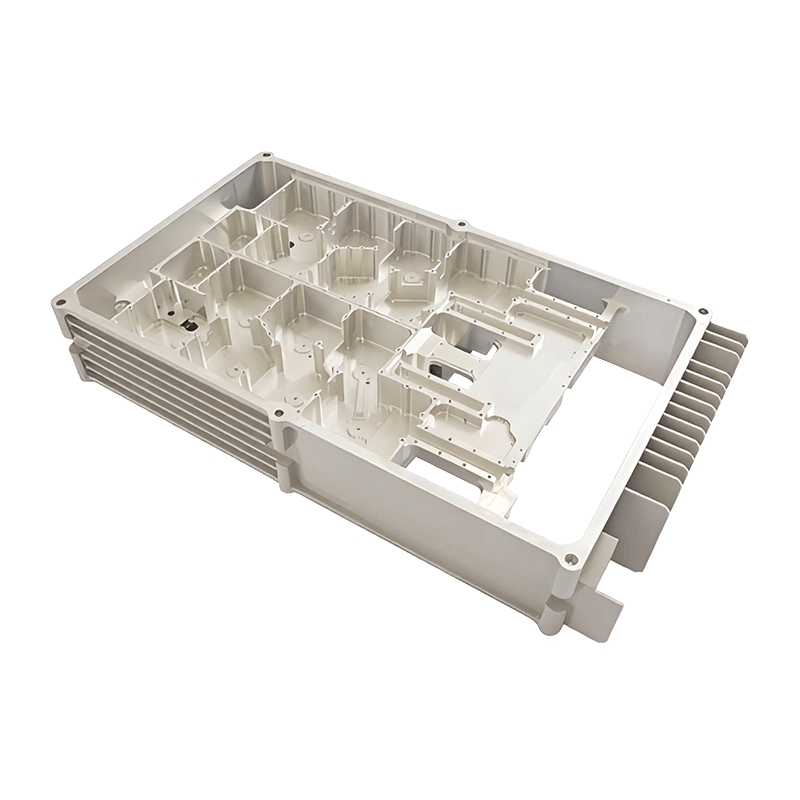
The AHC065-8215 and 8111 die casting housing is an aluminum alloy component developed for applications that require a strong, lightweight, accurately formed, and flow-efficient enclosure. Manufactured through a controlled aluminum die-casting process, the housing combines structural performance with reduced mass, efficient internal flow-channel design, and dependable dimensional consistency. It is particularly suitable for systems operating with vacuum or low-pressure air, where low installation load, reliable sealing, and the ability to start under zero pressure differential are important design requirements.
Compared with traditional cast-iron housings, the aluminum die casting housing offers a substantial weight advantage. The stated design performance reduces weight by approximately 60 percent compared with cast iron, helping equipment manufacturers simplify handling, reduce supporting-structure requirements, and improve overall system efficiency. Lower mass can also reduce installation effort, transportation burden, and the load placed on adjacent components.
The housing is designed around optimized flow channels. Its maximum Cv value reaches 138, equivalent to a Kv value of 118, indicating a high flow capacity and low pressure loss when the component is correctly integrated into the operating system. These characteristics make the product a practical choice for equipment designers seeking a compact housing with favorable fluid or air-handling performance.
Behind the finished component is a complete manufacturing system that includes mold design, mold-flow analysis, precision mold manufacturing, aluminum alloy die casting, automated trimming, CNC machining, surface finishing, dimensional inspection, and quality-control procedures. Ningbo Dinghong Mould Co., Ltd. provides this integrated capability from its manufacturing base in Beilun District, Ningbo, Zhejiang, China. Its experience in die-casting molds and aluminum alloy products supports the production of both development samples and repeat production parts.
The AHC065-8215 and 8111 housing belongs to the die casting new energy parts category and is produced as an aluminum alloy die-cast housing. A housing is more than an external cover. It must protect internal components, maintain alignment, withstand assembly forces, manage heat and pressure conditions, and provide a stable interface with other parts of the system. For this reason, the material, mold structure, wall thickness, flow passages, sealing surfaces, and machining allowances all have a direct effect on final product performance.
The product is suited to equipment where the housing must remain light without sacrificing the rigidity needed for installation and operation. Aluminum alloy provides a favorable balance between density, castability, strength, corrosion resistance, and machinability. It can be formed into complex geometries that would be difficult or expensive to produce by conventional machining from solid material. Die casting also supports repeatable production of near-net-shape components, reducing material waste and limiting the amount of secondary machining required.
The AHC065-8215 and 8111 designation identifies the product configuration presented for this application. Depending on the customer's complete technical drawing and assembly requirements, specific machining details, surface treatment, inspection points, sealing features, and packaging standards can be reviewed during project development. The core product concept remains the same: a precision aluminum die-cast housing with optimized flow performance and low mass.
For purchasing teams, the component offers a practical combination of performance and manufacturing efficiency. For engineering teams, it provides a platform that can be integrated into systems operating under vacuum or low-pressure air conditions. For production managers, the use of a specialized die-casting supplier creates a path toward stable repeatability, controlled tooling, and coordinated production from mold development through finished-part delivery.
| Characteristic | Product Benefit | Manufacturing or Application Significance |
|---|---|---|
| Aluminum alloy die-cast construction | Low density, good castability, and efficient production | Supports lightweight complex housings and reduces material waste |
| Approximately 60% lower weight than cast iron | Lower handling and installation load | Can reduce supporting-structure and transportation requirements |
| Optimized internal flow channels | High flow capacity and reduced pressure loss | Helps improve system response and operating efficiency |
| Maximum Cv value of 138 | High flow coefficient under the stated design conditions | Useful for equipment sizing and flow-system evaluation |
| Kv value of 118 | Metric flow-performance reference | Supports engineering comparison and specification work |
| Vacuum and low-pressure air compatibility | Suitable for demanding low-pressure operating conditions | Expands application possibilities in air and process systems |
| Zero-pressure-differential starting capability | Can start without a required initial pressure difference | Supports reliable activation in selected system configurations |
| Die-cast near-net-shape production | Efficient use of alloy and reduced machining volume | Helps control production cost and repeatability |
Material selection is one of the most important decisions in housing development. Cast iron is traditionally used in many industrial components because of its strength, mass, and established manufacturing history. However, its high density can create disadvantages when the finished assembly must be lifted, installed, transported, or mounted on a lightweight structure. An aluminum alloy housing addresses this challenge by offering significantly lower mass while retaining the basic structural properties needed for a precision enclosure.
The approximately 60 percent weight reduction compared with cast iron is a major product advantage. Lower weight does not only benefit the person installing the part. It can influence the complete design of the equipment. Mounting brackets may be smaller, handling equipment may have a lower capacity requirement, and the surrounding frame may experience lower static loading. In mobile, compact, or energy-sensitive systems, these reductions can support better packaging and easier maintenance.
Aluminum alloy is also well suited to high-pressure die casting because it can fill detailed mold cavities at high speed and reproduce complex external and internal features. This makes it possible to consolidate design features that might otherwise require multiple fabricated or machined pieces. A consolidated housing can reduce the number of joints, fasteners, and assembly operations, potentially improving reliability and simplifying production.
Another advantage is machinability. After casting, selected functional surfaces can be CNC machined to achieve the dimensional accuracy and surface condition required for sealing, alignment, mounting, or connection. The combination of near-net-shape casting and selective precision machining is more efficient than machining the entire housing from a large block of metal.
Aluminum alloy also provides a suitable foundation for surface finishing. Depending on the customer's requirements, a project may include deburring, shot blasting, coating, painting, anodizing, or another approved treatment. The suitable process depends on the alloy, service environment, appearance specification, corrosion requirements, and interface with other materials. These details can be incorporated into the manufacturing plan during technical review.
The housing's internal flow-channel design is central to its performance. A housing used in an air or fluid-control assembly must guide the medium through the component while limiting unnecessary turbulence, constriction, and pressure loss. Poorly designed passages can require greater operating energy, reduce available flow, and create undesirable local pressure conditions. Optimized channels help the component perform more efficiently within the complete system.
The maximum Cv value of 138 and Kv value of 118 are important indicators of the housing's flow capability. Cv is commonly used as a flow coefficient in imperial engineering practice, while Kv is commonly used in metric specifications. The values provide a reference for comparing flow capacity under defined test and operating conditions. They should be evaluated together with the actual medium, temperature, pressure range, connection configuration, valve or actuator characteristics, and system installation conditions.
A high flow coefficient can be valuable in applications where the equipment must move a large volume of air or fluid through a compact component. It may allow designers to achieve the required flow rate without selecting an unnecessarily large housing. It may also help reduce the pressure differential needed to achieve a target flow rate. The final system result depends on the complete assembly, but the housing's optimized channel geometry provides a strong starting point for efficient design.
Low pressure loss is especially useful in vacuum and low-pressure air systems. In such systems, available pressure margins may be limited, and every unnecessary restriction can affect response time, operating stability, or energy consumption. A streamlined internal passage helps preserve the pressure available for the intended function instead of losing a large portion of it within the housing.
The ability to start under zero pressure differential further increases application flexibility. In practical terms, the component can be initiated without relying on a pre-existing pressure difference across the system, subject to the complete equipment design and applicable operating conditions. This feature may simplify control strategies and support reliable startup where pressure conditions vary during the operating cycle.
Flow performance should always be confirmed against application-specific test requirements. Engineers may review flow curves, pressure-loss data, leakage results, response behavior, and operating limits before approving the housing for a particular system. Ningbo Dinghong Mould Co., Ltd. can coordinate product development around customer drawings, technical specifications, and inspection requirements so that the final component is evaluated according to its intended use.
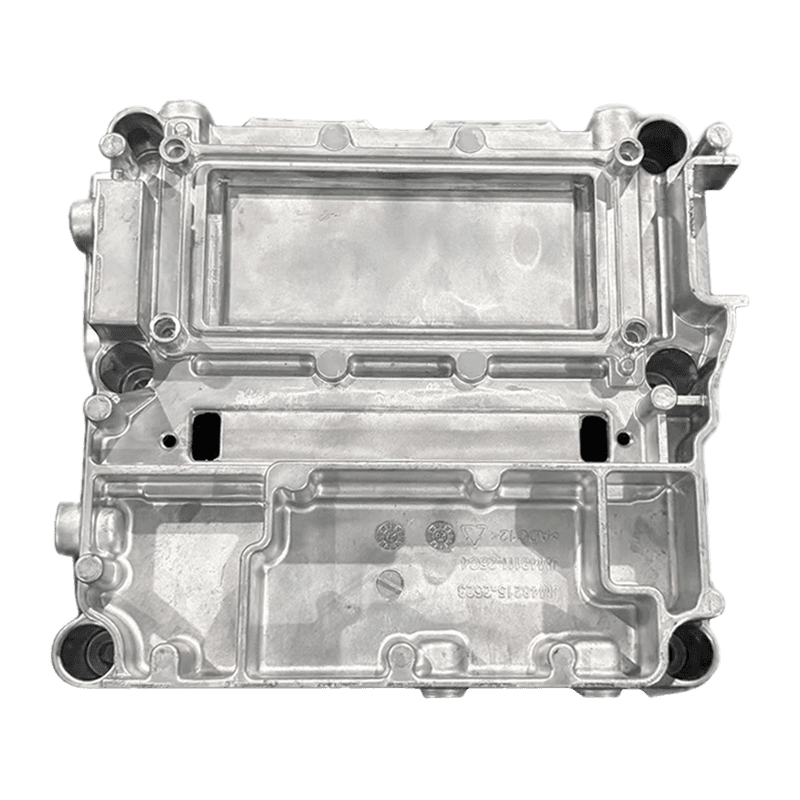
AHC065-8215 & 8111 Die casting Housing
The most direct advantage over cast iron is weight. A housing that is approximately 60 percent lighter can be handled more easily during assembly, service, and replacement. Workers may require less lifting assistance, and the equipment can be designed with lower installation loads. This is particularly valuable when the housing is mounted in an elevated position, inside a compact cabinet, or within a system that must be transported frequently.
Reduced mass can also benefit the logistics chain. Packaging may be optimized for a lower product weight, and more units may be moved within a defined shipment-weight limit. These benefits should be assessed across the complete supply chain rather than viewed only as a material substitution. For international customers, lower shipping weight may contribute to better total delivered cost, although final savings depend on packaging, shipping method, order quantity, and destination.
Die casting enables the housing to incorporate bosses, ribs, mounting features, connection zones, and other geometric details into a single formed component. Compared with a multi-piece cast-iron or fabricated design, this can reduce assembly complexity and the number of potential leakage or loosening points. It also allows the design team to place reinforcing material where it is most useful rather than distributing heavy material uniformly throughout the component.
Engineering judgment remains essential. Ribs must be positioned to support loads without creating excessive casting difficulty. Wall thickness transitions should be managed to reduce shrinkage and distortion risk. Draft angles, parting lines, ejector locations, overflow design, and machining allowances must be considered before tool construction. The value of die casting is therefore realized most effectively when the product design and mold design are developed together.
The stated Cv 138 and Kv 118 performance values distinguish the housing from designs that use restrictive or poorly blended passages. High capacity within a compact envelope can help equipment manufacturers balance flow requirements with space limitations. This is useful in new-energy equipment, automated systems, air-control assemblies, and other products where the available installation area is limited.
A smaller, lighter housing with efficient flow passages can also support system-level optimization. Designers may have more freedom to place the component near the working area, shorten connecting paths, or simplify the arrangement of associated pipes and fittings. The actual benefits depend on the equipment layout, but the product's combination of low mass and flow capability creates useful design flexibility.
Many conventional components perform adequately under ordinary pressure conditions but require careful evaluation when used in vacuum or low-pressure air applications. The AHC065-8215 and 8111 housing is described as compatible with these operating conditions. This makes it relevant to systems where startup, pressure stability, and low restriction are essential performance considerations.
The claimed zero-pressure-differential starting capability is another practical advantage. A component that can begin operation without waiting for a pressure differential may reduce the complexity of the startup sequence. It can also support equipment that experiences changing pressure conditions, provided the completed system meets the required control, sealing, and safety specifications.
Product quality begins before the first alloy is melted. A reliable die-cast housing depends on correct product analysis, well-designed tooling, stable machine parameters, effective trimming, and accurate post-casting inspection. Ningbo Dinghong Mould Co., Ltd. combines these activities within an integrated manufacturing operation, allowing the company to coordinate mold development and product production rather than treating them as unrelated processes.
The manufacturing process begins with a review of the customer drawing, three-dimensional model, material specification, tolerances, functional surfaces, assembly interfaces, and anticipated production volume. Engineers examine whether the proposed geometry is suitable for die casting and identify features that may require special tooling, inserts, secondary machining, or additional inspection.
Important review points include wall-thickness uniformity, draft angle, radii, deep cavities, thin sections, bosses, ribs, sealing surfaces, and the relationship between the parting line and critical dimensions. The team also considers where metal will enter the cavity, how air will escape, where overflow material should be placed, and how the part will be ejected after solidification.
Early feasibility review can prevent expensive changes after the mold is manufactured. It can also help customers balance performance requirements with production efficiency. For example, a small modification to a rib, corner radius, or draft angle may improve filling behavior and prolong tool life without changing the housing's functional purpose.
Mold-flow analysis provides a digital method for evaluating how molten aluminum may fill and solidify within the proposed cavity. Dinghong uses mold-flow analysis to visualize potential filling behavior and optimize mold designs before production. The analysis can help identify areas of incomplete filling, air entrapment, weld lines, excessive temperature variation, shrinkage concentration, and other risks.
Simulation does not replace practical engineering experience, but it improves the basis for decision-making. Engineers can compare gate positions, runner layouts, overflow arrangements, cooling strategies, and process assumptions before committing to steel. This approach is especially valuable for complex housings with internal passages and multiple functional surfaces.
The results of the analysis can be used to refine the mold design, adjust local geometry, and establish a more stable starting point for die-casting trials. Reducing avoidable trial-and-error work can shorten development time and improve the probability of achieving acceptable parts during initial sampling.
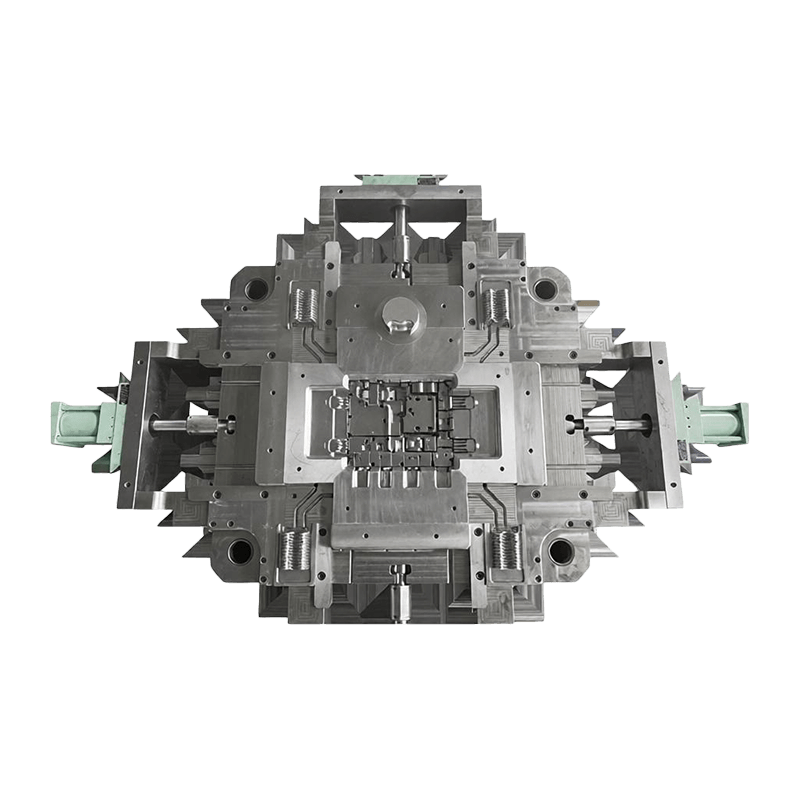
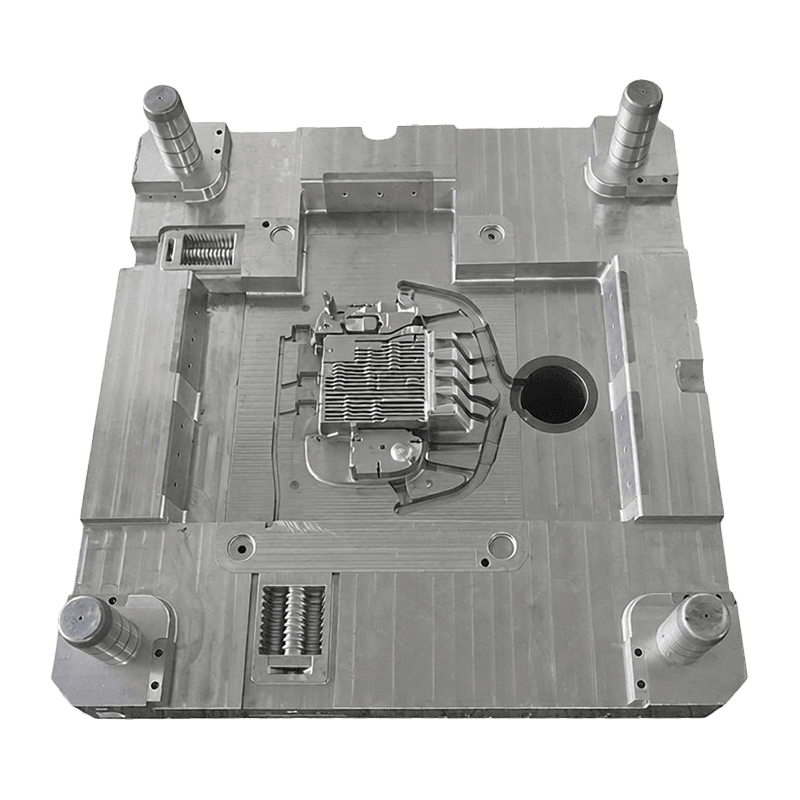
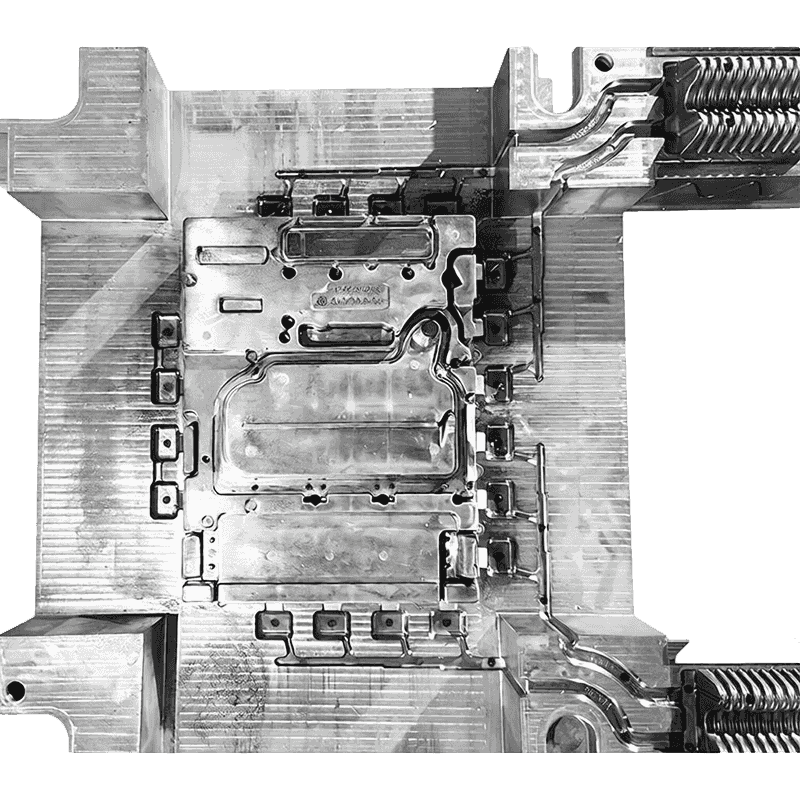
After design approval, the mold is manufactured using precision machining equipment. The mold must reproduce the housing geometry repeatedly under the thermal and mechanical demands of die casting. Its cavity, core, slides, inserts, runner system, cooling channels, ejector system, and venting structure must all work together.
Dinghong's equipment includes high-precision CNC machining centers and EDM equipment. CNC machining is used to create accurate mold surfaces and structural features, while electrical discharge machining supports the production of detailed areas that may be difficult to cut with conventional tools. Careful fitting and assembly of mold components are essential because small alignment errors can affect parting lines, flash, dimensional accuracy, and tool life.
Tooling quality also affects the appearance and functional quality of the finished housing. A well-made mold supports more stable filling, consistent geometry, easier trimming, and predictable machining allowances. It can also make future maintenance and replacement of wear components more manageable.
During die casting, aluminum alloy is prepared at a controlled temperature and injected into the mold cavity under high pressure. The process must be managed to fill the cavity completely while limiting turbulence, air entrapment, premature solidification, and thermal stress. Machine settings, alloy condition, mold temperature, injection speed, pressure, holding time, lubrication, and cooling all influence the final result.
Stable process control is particularly important for housings because the part may include thin walls, mounting features, internal passages, and surfaces that will later be machined or sealed. A consistent casting process provides a better foundation for dimensional control and reduces the likelihood of internal or external defects.
Production operators and engineers monitor the process according to established work instructions and quality requirements. Initial samples may be reviewed in greater detail to confirm filling, geometry, appearance, and machining allowances. Once the process is approved, repeat production can follow controlled parameters and documented inspection procedures.
After ejection from the die, the casting includes runners, gates, overflows, and other excess material. Dinghong's facility includes automated trimming lines that support efficient removal of these features. Automated trimming can improve repeatability, reduce manual workload, and produce a more consistent starting condition for secondary operations.
Deburring is important because sharp edges or residual flash can interfere with assembly, sealing, handling, and appearance. The trimming process must remove excess material without damaging functional surfaces or changing critical dimensions. Where necessary, additional manual finishing or dedicated tooling can be used for areas requiring special attention.
Die casting produces a near-net-shape part, but selected areas may require CNC machining to achieve precise dimensions. Typical machined features may include mounting faces, threaded holes, sealing bores, locating surfaces, connection ports, and other interfaces identified on the customer drawing.
Machining allowances are planned during mold design so that enough material remains for final sizing without creating unnecessary cutting time. Fixtures are developed to hold the casting securely and locate it consistently. The machining sequence is selected to control distortion and maintain the relationship between important features.
After machining, the housing may receive cleaning, inspection, and an approved surface treatment. The appropriate finish depends on the service environment and customer requirements. Finishing can improve appearance, support corrosion protection, remove residual processing marks, or prepare the component for assembly.
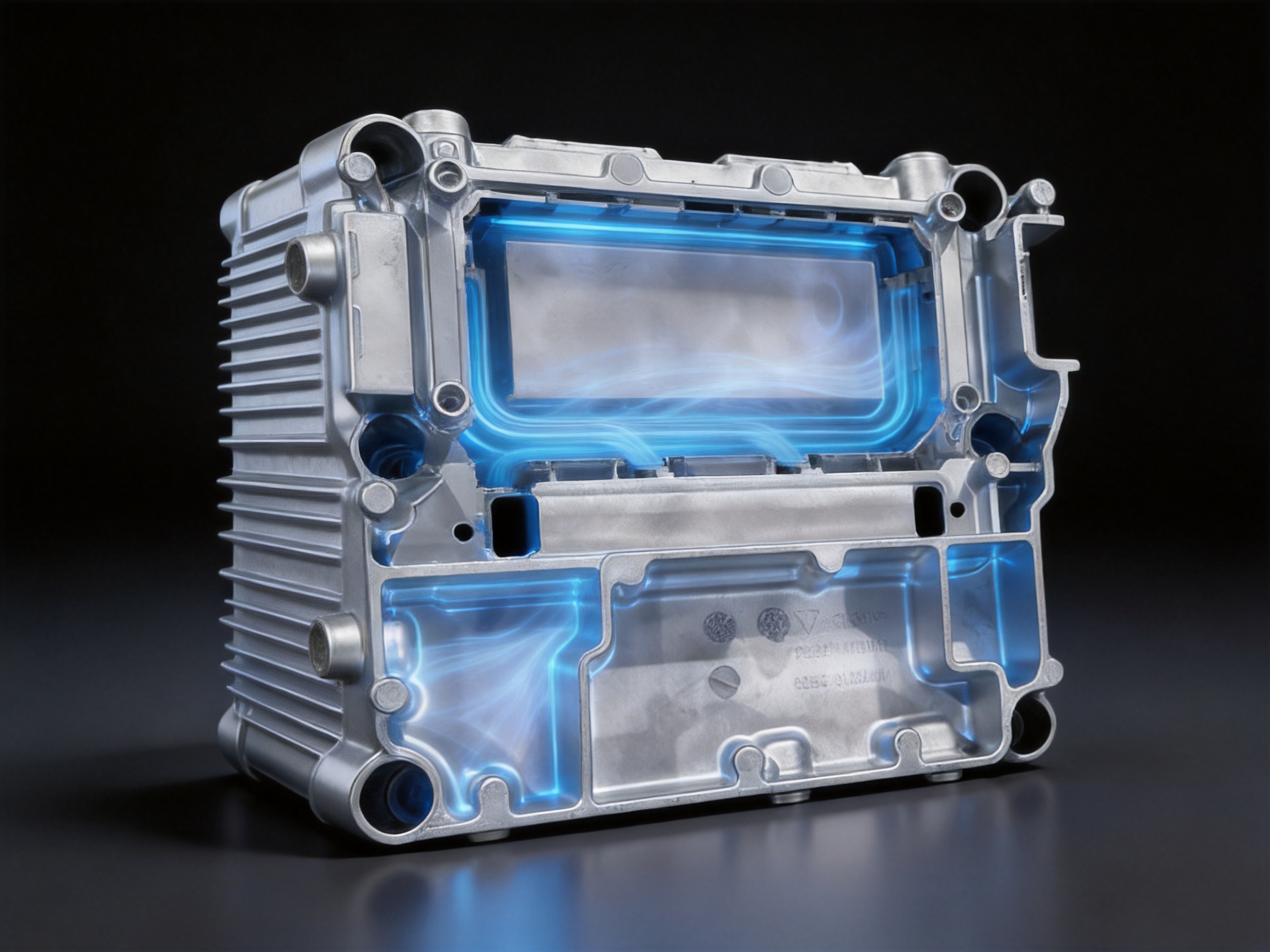
A die-cast housing is only successful when it meets both functional and dimensional requirements consistently. Ningbo Dinghong Mould Co., Ltd. operates under ISO 9001 and IATF 16949 quality management system certifications. These certifications reflect a structured approach to process control, documentation, corrective action, traceability, and continuous improvement. They are especially relevant when supplying automotive and other industries that require disciplined quality systems.
Quality control begins with incoming materials and continues through mold manufacturing, die casting, trimming, machining, finishing, final inspection, and shipment. Depending on the project specification, inspection may include visual examination, dimensional measurement, thread and fit verification, surface inspection, pressure or leakage testing, and review of critical characteristics.
Dimensional inspection confirms that the housing conforms to the approved drawing. Critical dimensions may include mounting locations, bore sizes, interface geometry, wall-related features, sealing surfaces, and positional relationships. Measuring equipment is selected according to the tolerance and characteristic being evaluated.
Visual inspection is also important. Inspectors look for unacceptable flash, cracks, cold shuts, visible porosity, dents, contamination, machining damage, and surface irregularities. The acceptance criteria should be defined in advance so that production and customer teams share the same understanding of acceptable appearance.
For a housing used in air or fluid-related equipment, leakage performance may be a key requirement. The specific test method, pressure, holding time, medium, and acceptance limit should be determined by the application. A supplier with die casting, machining, and inspection capabilities can coordinate these requirements more effectively than a supply chain divided among several unrelated vendors.
Process documentation supports repeat production. Records may include material information, machine settings, first-article results, inspection data, nonconformance reports, corrective actions, and shipment information. This documentation helps identify trends and supports faster response if a technical question arises after delivery.
Dinghong has developed from a small factory into a modern manufacturing enterprise with approximately 15,000 square meters of plant space. The company traces its experience to Yuejin Mould, established in 1998, and Ningbo Dinghong Mould Co., Ltd., established in 2013. This history combines long-term mold-making experience with a more integrated modern production structure.
The facility includes high-precision CNC machining centers, EDM equipment, die-casting machines, automated trimming lines, and production and testing equipment. This range of resources supports a connected manufacturing process. Instead of outsourcing every major stage, the company can manage mold production, casting, trimming, machining, and inspection within a coordinated operation.
The company's location in Daqi Street, Beilun District, Ningbo, places it within a major manufacturing area known for die casting and mold production. Its proximity to Beilun Port supports practical logistics for domestic and international shipments. For overseas customers, location can influence lead-time planning, tooling transport, raw-material coordination, and finished-product delivery.
An experienced design team uses advanced software and engineering systems to develop molds and analyze product feasibility. The ability to work from customer drawings or three-dimensional data supports cooperation during new-product introduction. Engineers can discuss design-for-manufacturing improvements before tooling begins, reducing the risk of late changes.
The company serves several industries, including automotive, new energy, photovoltaic, telecommunications, electrical equipment, motorcycles, pumps and valves, fitness equipment, robotics, and household appliances. This cross-industry experience can be valuable because many manufacturing principles transfer between applications. Requirements for lightweight structures, precision interfaces, heat management, repeatability, and cost control appear in many product categories.
The housing is identified for the die casting new energy parts category, making it suitable for equipment manufacturers that prioritize lightweight construction, efficient operation, and compact integration. New-energy products often require careful control of mass, installation space, energy consumption, and lifecycle reliability. An aluminum housing with efficient flow performance can contribute to these objectives.
Potential application areas may include low-pressure air-control equipment, vacuum-related assemblies, fluid-handling units, compact automation systems, and other products where the stated flow and startup characteristics are relevant. The housing may also be evaluated for use in automotive or industrial subsystems that require a durable enclosure with low mass and machined connection points.
Application approval should be based on a complete technical review. Engineers should confirm the operating medium, temperature, pressure range, cycle frequency, mounting loads, vibration exposure, corrosion environment, sealing method, and service life. The housing's alloy, finish, wall structure, and machining requirements should be matched to these conditions.
Because the component is a housing rather than an isolated performance device, its final performance depends on the parts installed inside it and the way it is assembled. Fastener torque, gasket compression, surface cleanliness, alignment, and connection design can all affect the result. A properly manufactured housing provides the dimensional and structural foundation, while the complete assembly must be validated as a system.
The economic value of the product comes from more than the price of the aluminum alloy. Die casting can reduce material waste, shorten machining time, and produce multiple complex features in one operation. When production volume is suitable for dedicated tooling, the unit cost can become competitive with alternatives that require extensive machining, fabrication, or multi-part assembly.
Weight reduction may create additional cost benefits. Lower shipping mass, easier handling, smaller support structures, and shorter installation time can contribute to reduced total ownership cost. These benefits vary by application, but they should be considered during design comparison rather than evaluating only the purchase price of the component.
Integrated manufacturing can simplify procurement. A customer can coordinate mold design, mold production, die casting, machining, finishing, inspection, and delivery with one experienced supplier. This can reduce communication gaps between separate vendors and make responsibility for dimensional or process issues clearer.
Tooling is a long-term production asset. Properly designed and maintained molds can support repeat orders and consistent product quality over the expected tool life. Maintenance planning, spare inserts, process monitoring, and periodic dimensional review can help protect the customer's investment and sustain production stability.
For new projects, the most effective quotation process includes complete technical information. Three-dimensional models, two-dimensional drawings, material specifications, annual volume, forecast quantities, surface requirements, inspection standards, packaging instructions, and delivery expectations allow the supplier to calculate tooling and production requirements more accurately.
Customers can improve project efficiency by involving the die-casting supplier during the design stage. A housing that looks suitable in a digital assembly may still require changes to support mold filling, ejection, trimming, machining, or inspection. Early cooperation helps preserve the intended function while making the product easier to manufacture.
Uniform wall thickness is generally beneficial for stable filling and solidification. Large changes in thickness can increase the risk of shrinkage, distortion, or uneven cooling. Where a thick section is necessary, engineers may use hollow structures, ribs, or redesigned transitions to maintain strength while limiting unnecessary material concentration.
Draft angles help the casting separate from the mold without damage. The required draft depends on the alloy, surface texture, depth, and use of slides or inserts. Adequate draft can improve tool life and reduce ejection problems. Ejector-pin locations should be selected so that the casting is supported effectively and visible or functional surfaces are protected.
Ribs can increase stiffness without adding a large amount of material, while bosses provide locations for fasteners or inserts. These features must be designed with suitable thickness and connection geometry to reduce casting defects. Their position should also allow access for machining, inspection, and assembly tools.
The parting line affects the appearance, flash location, tool complexity, and dimensional control of the housing. Critical sealing or locating surfaces should be positioned where they can be machined and inspected effectively. Machining allowances should be sufficient for final sizing but not so large that they increase cycle time and cost unnecessarily.
When the housing forms part of a vacuum or low-pressure air system, sealing requirements should be defined early. The drawing should identify sealing surfaces, gasket grooves, O-ring locations, flatness requirements, surface roughness, and leakage limits. These features influence mold design, CNC machining, inspection, and final testing.
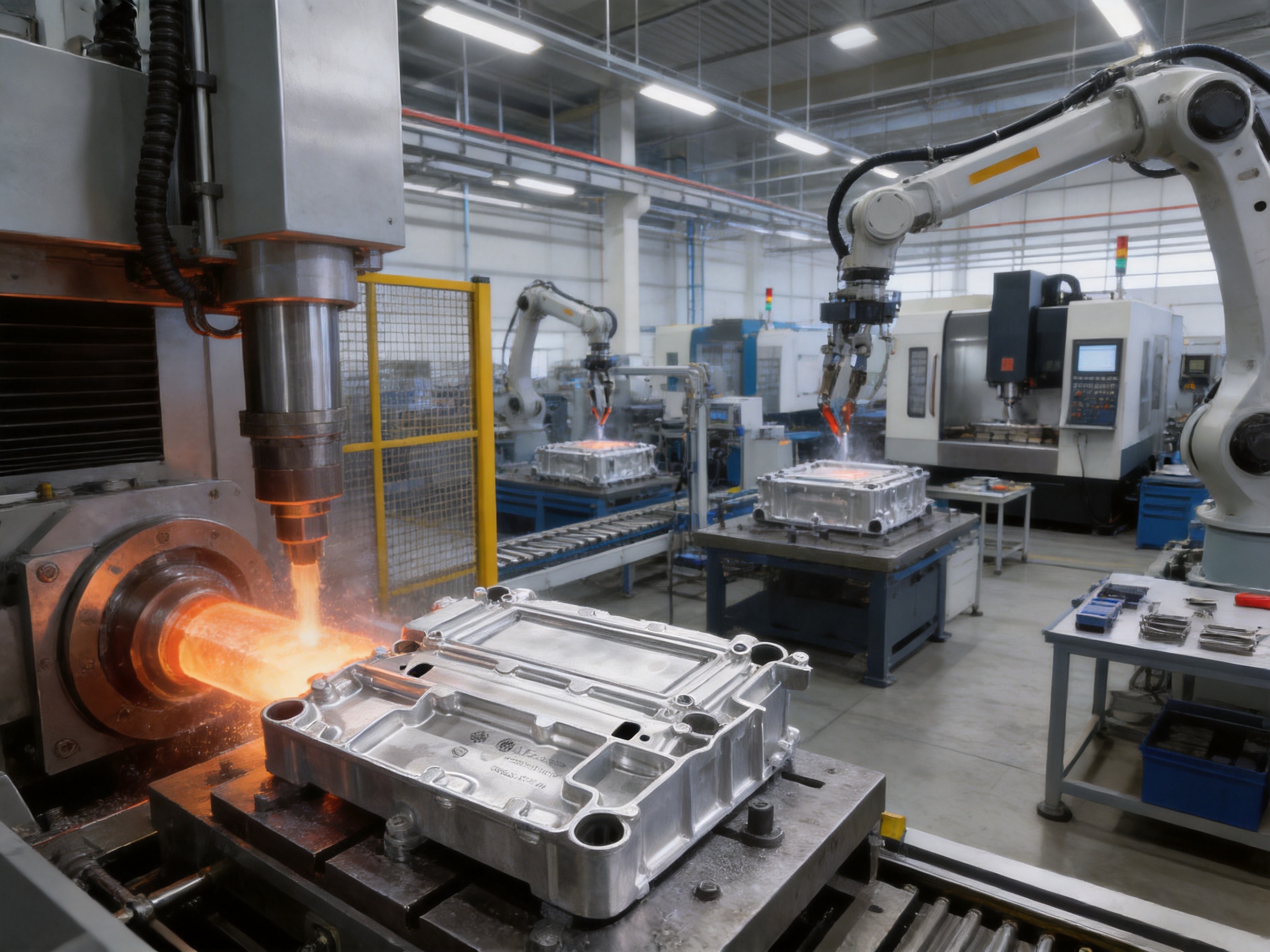
The low weight of the aluminum housing can simplify installation, but correct assembly remains essential. The mounting structure should support the component without introducing distortion. Fasteners should be tightened according to the approved torque requirements, and connection surfaces should be clean and free from damaging burrs or contamination.
Where sealing elements are used, the correct material, size, compression, and installation method should be confirmed. A housing that meets its dimensional specification can still experience leakage if the gasket is damaged, incorrectly positioned, contaminated, or compressed outside its intended range.
Flow connections should be arranged to avoid unnecessary sharp bends, restrictions, or misalignment near the housing. Since the product includes optimized internal flow channels, the external system should be designed so that the full assembly does not introduce a major restriction that offsets the housing's flow advantage.
Operating conditions should remain within the approved limits for the complete assembly. Temperature, pressure, vacuum level, air quality, chemical exposure, vibration, and duty cycle may affect service life. If the equipment operates in a corrosive or contaminated environment, the alloy and surface treatment should be reviewed before production approval.
During maintenance, technicians should inspect mounting points, sealing surfaces, fasteners, visible casting areas, and connection interfaces. Any sign of cracking, deformation, unusual leakage, or repeated pressure loss should be evaluated before the equipment is returned to service. Maintenance procedures should follow the equipment manufacturer's instructions.
Lightweight design can support sustainability by reducing the material mass used in the finished component and lowering transportation weight. Aluminum is also a widely recycled engineering material, although the environmental benefit depends on alloy selection, production energy, recycling practices, and the complete product lifecycle.
Die casting can use material efficiently because the component is formed close to its final shape. Compared with machining a housing from a large billet, the process may reduce the volume of material removed as chips. Efficient runners and controlled scrap management can further improve material utilization when production systems are properly organized.
Longer tool life and stable production also support resource efficiency. A mold that produces consistent parts with fewer rejected castings reduces wasted alloy, energy, machining time, and packaging. Mold-flow analysis and process optimization contribute to this objective by identifying potential problems before large-scale production.
Product sustainability should be assessed across the entire lifecycle. Lightweighting, service life, repairability, surface treatment, transport, recycling, and end-of-life separation all contribute to the overall result. The AHC065-8215 and 8111 housing provides a strong foundation for lightweight equipment design, while the customer and supplier together determine the broader environmental performance.
An integrated partner can provide advantages beyond basic production capacity. The supplier understands how product geometry affects mold design, how mold design affects casting quality, how casting quality affects machining, and how machining affects final assembly. This connected view is particularly important for a housing with internal flow channels and precision interfaces.
Ningbo Dinghong Mould Co., Ltd. combines mold design, mold manufacturing, die casting, finishing, and trade within one organization. Its experience covers automotive components, household-appliance parts, telecommunication products, aluminum alloy components, and new-energy parts. This manufacturing breadth supports the development of products that require both technical precision and production scalability.
The company's ISO 9001 and IATF 16949 certifications provide a structured quality framework. Its design team uses mold-flow analysis, while its factory includes CNC machining, EDM, die-casting machinery, automated trimming, and testing equipment. These capabilities support a complete project path from initial technical review to finished housing delivery.
International customers can also benefit from the company's existing export experience. Its sales network covers China, South America, Southeast Asia, and other international markets, with further expansion planned for Europe and other regions. Effective international cooperation requires clear drawings, prompt technical communication, reliable packaging, inspection documentation, and delivery coordination. These elements are important parts of the supplier relationship.
A successful AHC065-8215 and 8111 housing project can follow a structured sequence. First, the customer provides the product model, drawings, three-dimensional data, material requirements, performance targets, annual volume, and intended application. The supplier then reviews manufacturability and identifies any areas requiring clarification.
Second, the teams confirm flow requirements, operating conditions, sealing specifications, machining features, surface finish, inspection standards, and packaging. If the housing will operate under vacuum or low-pressure air, the applicable performance and leakage tests should be agreed upon at this stage.
Third, the mold design is developed and evaluated through mold-flow analysis. Gate locations, runners, overflows, cooling, slides, ejectors, parting lines, and machining allowances are reviewed. Customer approval should be obtained before mold manufacturing begins.
Fourth, the mold is machined and assembled. Initial die-casting trials are performed, and sample parts are trimmed, machined, inspected, and reviewed. Dimensional reports, appearance evaluations, and functional or leakage tests can be completed according to the project plan.
Fifth, any necessary corrections are made before final approval. Once the sample is accepted, the process is standardized for repeat production. Production records, inspection plans, packaging requirements, and delivery schedules are maintained for subsequent orders.
This staged approach reduces misunderstandings and creates clear decision points. It also allows technical risks to be addressed when changes are still relatively manageable, rather than after full production has begun.
The housing is manufactured using aluminum alloy die casting. The final alloy grade and any supplementary material requirements should be confirmed against the customer's technical specification and application conditions.
The stated design reduces weight by approximately 60 percent compared with cast iron. The exact finished weight depends on the final geometry, wall structure, machining requirements, and any attached components.
The maximum stated Cv value is 138, with a corresponding Kv value of 118. These values provide engineering references for flow capacity and should be evaluated under the actual system's defined test and operating conditions.
The product is described as compatible with vacuum and low-pressure air operating conditions. Application approval should include confirmation of the required pressure range, leakage limit, temperature, sealing method, and complete assembly performance.
Yes, the product description states that it can be started under zero pressure differential. The final startup behavior depends on the complete equipment design, control system, connected components, and approved operating conditions.
Die casting can form complex geometry close to the final shape, reducing material waste and machining time. It can also integrate ribs, bosses, passages, and mounting features into one component. CNC machining is then applied selectively to critical surfaces requiring higher precision.
The supplier provides mold design, mold manufacturing, die casting, trimming, CNC machining, finishing, inspection, and related production coordination. The exact process route is developed according to the customer's product design and quality requirements.
Yes. Die-casting molds are developed around the approved product geometry, alloy, production volume, required tolerances, surface specifications, and secondary operations. Mold-flow analysis can be used to optimize the design before manufacturing.
Yes. The company's product and industry experience includes automotive parts, new-energy components, photovoltaic products, telecommunications parts, electrical equipment, pumps and valves, robotics, and other aluminum alloy products.
Ningbo Dinghong Mould Co., Ltd. has obtained ISO 9001 and IATF 16949 quality management system certifications. These systems support documented manufacturing procedures, process control, inspection, corrective action, and continuous improvement.
Useful information includes two-dimensional drawings, three-dimensional models, material specifications, annual demand, forecast order quantities, surface-treatment requirements, critical tolerances, leakage or flow targets, inspection standards, packaging needs, and delivery expectations.
Yes. Die-cast housings commonly receive CNC machining on mounting faces, bores, threads, sealing areas, connection interfaces, and other critical features. Machining allowances are considered during mold and process design.
Customers should review first-article dimensions, appearance, material information, flow or pressure performance where applicable, leakage results, surface condition, assembly fit, and any other requirements stated on the approved drawing or inspection plan.
The AHC065-8215 and 8111 die casting housing provides a strong combination of lightweight construction, efficient internal flow performance, and manufacturing flexibility. Its aluminum alloy design reduces weight by approximately 60 percent compared with cast iron, lowering installation load and creating opportunities for lighter supporting structures and easier handling.
The optimized flow channels, maximum Cv value of 138, and Kv value of 118 support high flow capacity and low pressure loss. Compatibility with vacuum and low-pressure air conditions, together with the ability to start under zero pressure differential, makes the housing suitable for specialized equipment that cannot rely on conventional pressure conditions.
The product's competitive value is reinforced by the manufacturing capabilities behind it. Ningbo Dinghong Mould Co., Ltd. integrates feasibility review, mold-flow analysis, precision mold manufacturing, aluminum die casting, automated trimming, CNC machining, finishing, and inspection. Its ISO 9001 and IATF 16949 quality systems, experienced engineering team, modern equipment, and cross-industry production background support consistent development and repeat manufacturing.
For equipment manufacturers, the housing represents more than a material replacement. It is an opportunity to redesign around lower mass, better flow, reduced assembly complexity, and coordinated production. When the product is selected and validated according to the complete application requirements, it can contribute to efficient, reliable, and scalable equipment design.
1. Aluminum Association. Aluminum Design and Engineering Principles. Industry reference material on aluminum alloy selection, processing, and lightweight design.
2. International Organization for Standardization. ISO 9001: Quality Management Systems—Requirements. Quality-management principles for controlled manufacturing and continuous improvement.
3. International Automotive Task Force. IATF 16949: Quality Management System Requirements for Automotive Production and Relevant Service Parts Organizations.
4. American Society of Mechanical Engineers. Engineering references for flow coefficients, pressure loss, and fluid-control component evaluation.
5. NADCA. Product Specification Standards for Die Castings. Industry guidance covering die-casting design, dimensional control, surface quality, and production considerations.
6. ASM International. Aluminum Alloy Casting and Die-Casting Technology. Technical reference on aluminum alloys, mold filling, solidification, defects, and post-casting processes.
7. Manufacturer-provided product information for the AHC065-8215 and 8111 aluminum alloy die casting housing, including stated weight reduction, Cv and Kv values, operating compatibility, and manufacturing capabilities.

A mold quote for an aluminum die casting mold can swing by 30–50% for the same nominal part. The difference is rarely t...
READ MORETwo quotations for the same aluminum controller housing can differ by 20% or more, even when both suppliers list the sa...
READ MOREA 12-week die casting mold build can look competitive on quote and still become the expensive option if the first trial...
READ MORETwo aluminum housings reach the same leak-test bench on the same afternoon. Both meet the drawing, both weigh close to ...
READ MORE

Sun Yuejun: +86-13806631860
Wang Shiyong: +86-15958891460 / 15058297768
Dove Yao: +86-18625086675


Copyright © Ningbo Dinghong Mould Co., Ltd. Rights Reserved. Custom Precision Die Casting Aluminum Alloy Parts Manufacturers
