
 English
 Español
 русский
 Français

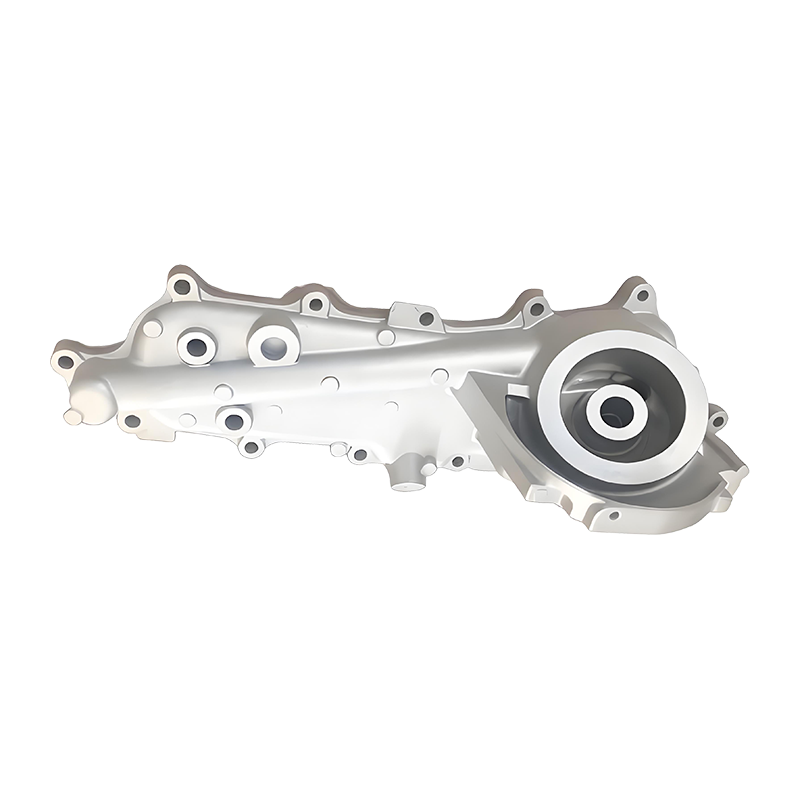
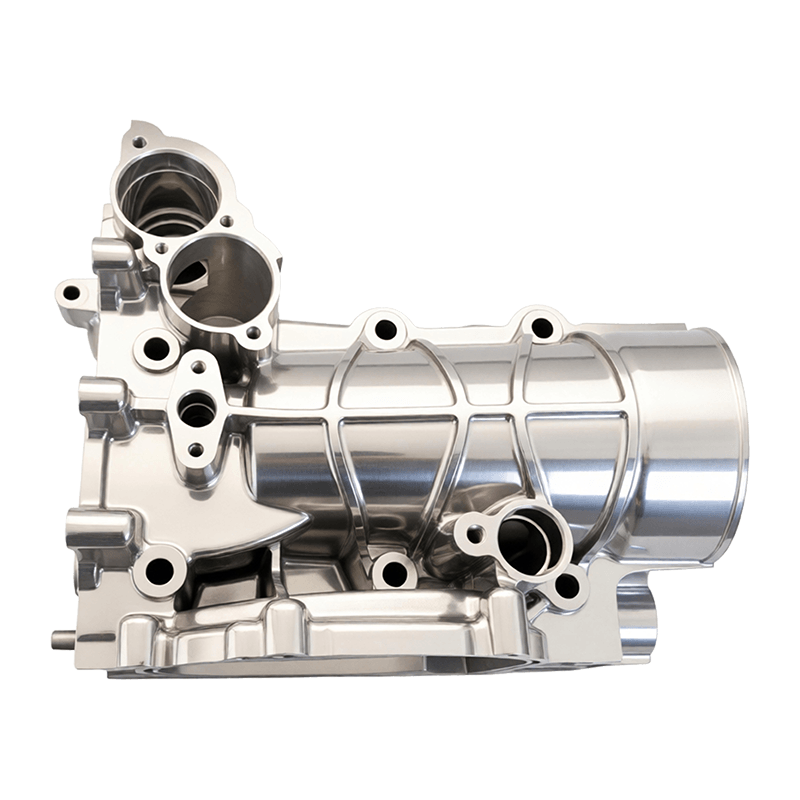
Die casting automotive parts are made by forcing molten metal into a steel mold under high pressure, where it fills t...
READ MORE
Content
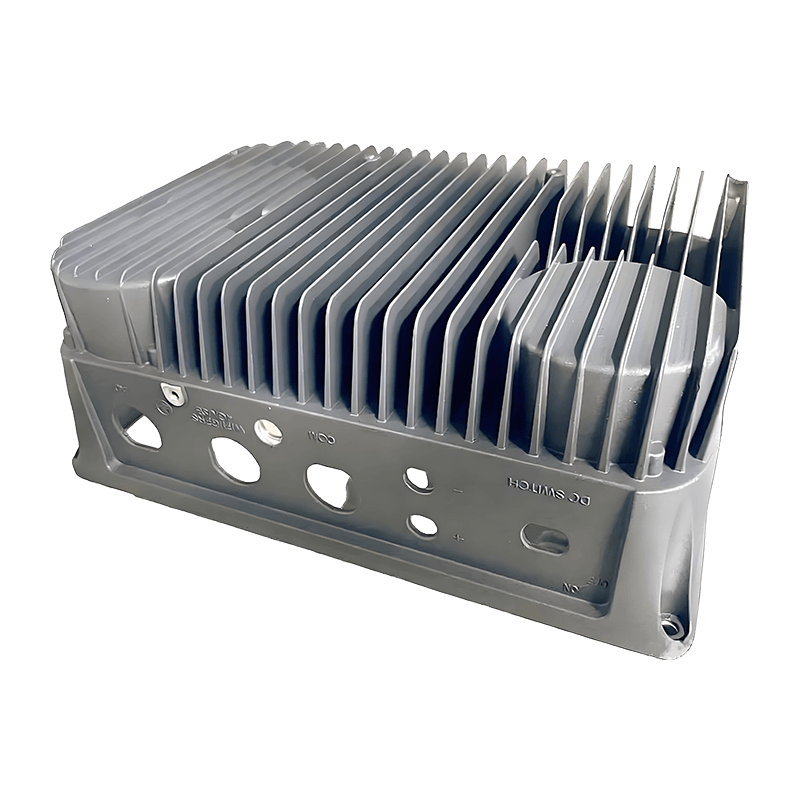
The 6.6 kW controller housing die-casting mold is a purpose-built tooling solution for producing aluminum alloy housings used in high-power automotive electronic control modules. As vehicle electrical systems become more integrated, compact, and powerful, controller housings must provide more than a basic protective shell. They must support heat dissipation, protect sensitive electronic components, maintain dimensional accuracy, withstand vibration, and enable efficient assembly on a demanding production line.
This mold is designed around those requirements. Its engineering focus combines structural precision, thermal-management features, reliable mold operation, and practical manufacturability. The result is a die-casting mold capable of producing controller housings with stable geometry, consistent wall quality, well-formed mounting features, and the surface and dimensional performance required by automotive applications.
Developed by Ningbo Dinghong Mould Co., Ltd., the mold reflects the capabilities of a manufacturer that integrates mold design, mold manufacturing, aluminum alloy die casting, finishing, quality inspection, and technical service. The company’s experience in automotive components, electrical products, telecommunication parts, household appliance components, and other aluminum alloy products supports a practical approach to complex tooling projects.
For customers seeking a reliable production mold for high-power controller housings, the value of this solution lies not only in the mold itself. It also lies in the engineering process behind it: product analysis, mold-flow evaluation, precision machining, controlled assembly, trial production, inspection, and continuous improvement. These connected capabilities help reduce development risk and support stable mass production.
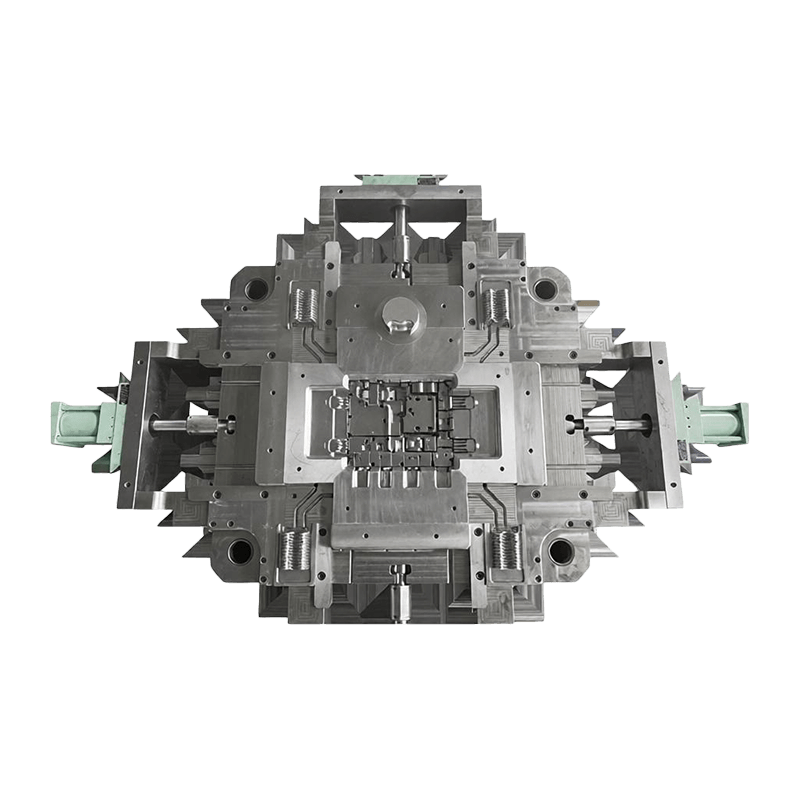
Die Casting Mold For Evergrande 6.6KW Controller Housing
A controller housing is an important structural and functional component within an automotive electronic system. It protects circuit boards, power devices, connectors, sensors, and other internal parts from mechanical damage and environmental exposure. At the same time, the housing often acts as part of the heat-transfer path for electronic components that generate considerable thermal energy during operation.
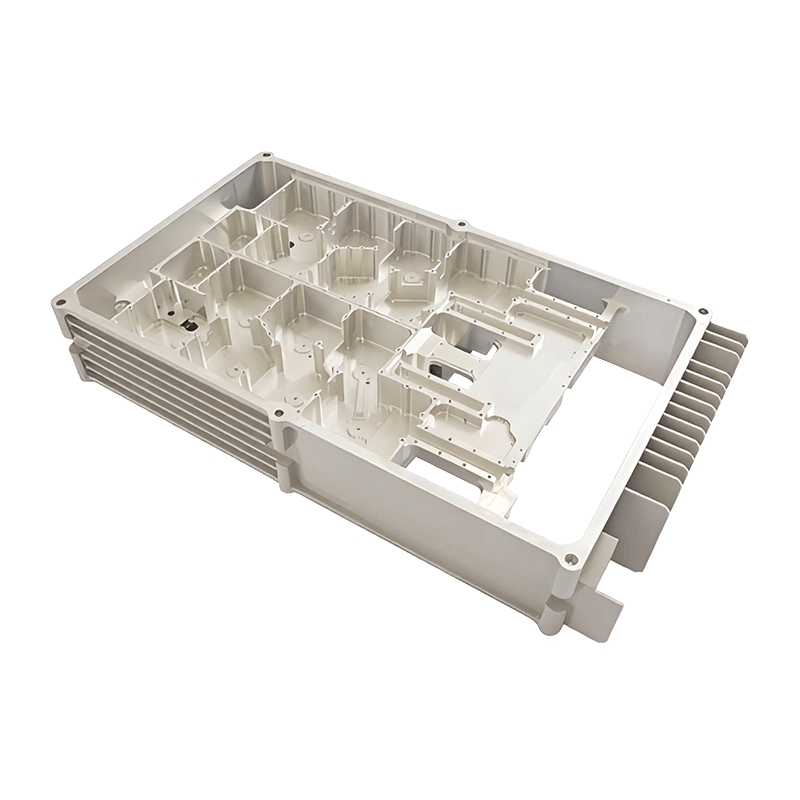
A 6.6 kW controller typically requires a housing with carefully designed internal and external geometry. The housing may include mounting bosses, connector openings, sealing surfaces, locating features, ribs, cooling fins, and fastening points. Each of these features must be formed accurately and remain stable through casting, trimming, machining, coating, and final assembly.
The die-casting mold for this application is therefore not a simple cavity-and-core tool. It is an integrated production system designed to reproduce a technically demanding aluminum alloy component in a repeatable manner. The mold must manage molten-metal flow, solidification, gas evacuation, shrinkage, ejection, and thermal cycling while maintaining the accuracy of the finished housing.
The tooling concept emphasizes the following product objectives:
• Accurate reproduction of the controller housing profile and critical interfaces.
• Efficient formation of heat-dissipation structures such as ribs or fins.
• Stable production of mounting holes, bosses, locating points, and connector regions.
• Controlled filling and solidification to reduce porosity, cold shuts, misruns, and deformation.
• Reliable ejection without damaging thin walls or functional surfaces.
• Long service life under repeated thermal and mechanical loading.
• Compatibility with downstream trimming, machining, cleaning, inspection, and assembly processes.
• Consistent quality suitable for automotive and high-reliability electronic applications.
Automotive controller housings combine several difficult design requirements in one component. A housing may contain broad thin-wall areas, localized thick sections, deep pockets, narrow ribs, complex corner transitions, and precise sealing or mounting surfaces. These features do not always fill and cool at the same rate, so the mold must be engineered to balance metal flow and heat transfer.
Thin-wall zones help reduce weight and material consumption, but they can be difficult to fill before the aluminum alloy begins to solidify. Long flow paths may increase the risk of incomplete filling or cold laps. Narrow ribs can create premature freezing, while thick bosses may produce internal shrinkage if their thermal behavior is not properly managed.
Heat-dissipation structures introduce another challenge. Cooling ribs and fins require accurate cavity details and sufficient release angles. If these features are too delicate, the casting may be difficult to eject or may suffer damage during trimming. If they are too heavy, the part may become unnecessarily large and lose the intended weight and thermal advantages.
Connector openings and assembly interfaces require particularly careful control. A small dimensional error in a connector region can affect electrical integration, sealing, wiring clearance, or the fit of a mating component. Mounting points must also maintain their position relative to the housing datum structure so that the controller can be installed accurately in the vehicle.
These requirements make early engineering analysis essential. The tooling team must understand the part’s functional surfaces, casting direction, likely filling behavior, ejection needs, machining allowances, and inspection requirements before finalizing the mold structure.
The mold is designed specifically for a 6.6 kW controller housing rather than being adapted from a general-purpose enclosure tool. This application-oriented design approach allows the mold structure, cooling arrangement, gating concept, overflow locations, ejector layout, and parting strategy to be considered together.
A purpose-built mold can address the functional priorities of the housing more effectively. Areas requiring high dimensional stability can receive greater engineering attention, while non-critical regions can be optimized for efficient filling and weight reduction. This balance helps the final casting perform reliably without unnecessary material or machining.
High-power electronic modules generate heat during operation. The controller housing must help transfer this heat away from sensitive components and toward the surrounding environment or an integrated thermal-management system. Die-cast aluminum alloy is well suited to this role because it combines low density, good thermal conductivity, and useful structural strength.
The mold supports the production of heat-dissipation geometry such as external ribs, fins, and reinforced thermal areas. Accurate molding of these features improves contact with cooling interfaces and helps preserve the intended thermal path. Consistent rib height, spacing, and alignment also contribute to predictable assembly and performance.
Compared with a housing made through a less integrated manufacturing method, a precision die-cast housing can combine structural walls and thermal features in a single component. This reduces the need for additional attached parts, minimizes assembly steps, and may lower total system weight.
Automotive electronic housings often contain several critical interfaces. These may include cover joints, gasket grooves, fastener holes, connector locations, mounting ears, locating bosses, and machined sealing surfaces. The mold is developed to reproduce these features consistently and to leave suitable allowances where secondary machining is required.
Stable dimensional performance supports efficient assembly. When castings remain within the expected tolerance range, downstream machining becomes more predictable, fixtures can be standardized, and the risk of manual correction is reduced. Consistent interfaces also help protect the integrity of seals and reduce the possibility of vibration-related loosening.
A controller housing must protect internal electronics from impact, vibration, dust, moisture, and other operating conditions. The casting structure can incorporate ribs, corners, bosses, and reinforcement zones to improve stiffness without requiring excessive wall thickness throughout the component.
Properly designed transitions are important in this regard. Abrupt changes in section thickness can create stress concentration and casting-quality concerns. Smooth transitions, carefully positioned ribs, and balanced wall sections help support a robust housing design while making the part more suitable for die-casting production.
The mold is intended for repeated production rather than one-time prototyping. Its structure is developed to withstand thermal cycling, injection pressure, clamping forces, and repeated ejection. Replaceable or serviceable components can help simplify maintenance and reduce downtime when wear eventually occurs.
Repeatability is especially important for automotive components because production programs may require large quantities over an extended period. A mold that produces stable parts reduces process variation, lowers scrap risk, and supports more reliable delivery planning.
Die casting can combine multiple functions into one near-net-shape aluminum component. Compared with an approach based on several fabricated or machined pieces, an integrated casting may reduce joining operations, fasteners, welding, and secondary assembly. This can improve consistency and reduce the number of potential failure points.
The practical value of this advantage depends on the complete process chain. A well-designed mold must be compatible with trimming, shot blasting or cleaning, machining, leak testing, surface treatment, and final inspection. The manufacturer’s ability to provide or coordinate these operations is therefore an important part of the overall solution.
The design process begins with a review of the controller housing model, technical drawings, material requirements, tolerance information, and production expectations. Functional requirements are separated from non-functional geometry so that the mold can prioritize the surfaces and features that influence assembly and performance.
The engineering team evaluates the parting line, casting direction, draft angles, wall thickness, ribs, bosses, openings, and potential undercuts. The objective is to create a mold that forms the component accurately while allowing smooth ejection and practical maintenance.
Parting-line selection has a direct influence on surface quality, flash location, machining requirements, and mold complexity. A suitable parting line can keep visible or sealing surfaces in favorable cavity regions and place unavoidable parting marks where they are easier to remove or less significant to the final assembly.
Draft analysis is also important. Adequate draft helps the casting release from the cavity without excessive force or surface damage. At the same time, draft must be balanced against the functional needs of the housing. Excessive draft may alter the shape of a mounting or connector feature, while insufficient draft can increase the risk of sticking and deformation.
The design team also considers the relationship between the mold and the intended die-casting machine. Mold dimensions, clamping requirements, injection conditions, ejection capacity, cooling connections, and production cycle expectations must be compatible with the available equipment.
Mold-flow analysis is used to visualize how molten aluminum may fill the cavity and how the casting may solidify. This digital evaluation helps engineers identify potential filling imbalances, trapped-air zones, weld lines, hot spots, shrinkage-prone areas, and areas that may require overflow or venting provisions.
Analysis does not replace physical trials, but it improves the starting point for mold construction. The team can compare alternative gate locations, flow directions, overflow arrangements, and cooling concepts before committing to final machining. This reduces avoidable design changes and supports more efficient development.
For a controller housing with long walls and detailed thermal structures, flow analysis is particularly useful. It helps determine whether the metal can reach thin ribs and remote corners before solidification. It also supports the evaluation of areas where opposing flow fronts may meet and create visible or structural discontinuities.
Solidification analysis helps identify differences between thin and thick sections. If a thick boss remains hot after nearby walls have solidified, it may require a revised geometry, local cooling, an overflow strategy, or additional machining consideration. Early identification of these conditions can improve both casting integrity and cycle stability.
The gating system controls how molten aluminum enters the cavity. Its design affects filling speed, flow direction, pressure distribution, surface quality, and the location of potential flow lines. The selected approach must support complete filling while limiting turbulence and excessive air entrapment.
Overflow areas provide a place for the first metal, contaminants, and colder flow fronts to move away from important functional surfaces. They can also support the removal of air from difficult-to-fill regions. Venting features help evacuate trapped gases and improve the quality of the final casting.
Because the housing may contain enclosed pockets or deep structural features, the relationship between gates, overflows, and vents must be carefully coordinated. A good layout seeks to direct metal through the cavity in a controlled sequence, with critical surfaces receiving stable and sufficiently hot material.
After the first trial, the results are evaluated through visual inspection, dimensional checks, X-ray or other applicable examination, and process review. The gating or venting strategy can then be adjusted when necessary to improve filling and reduce defects.
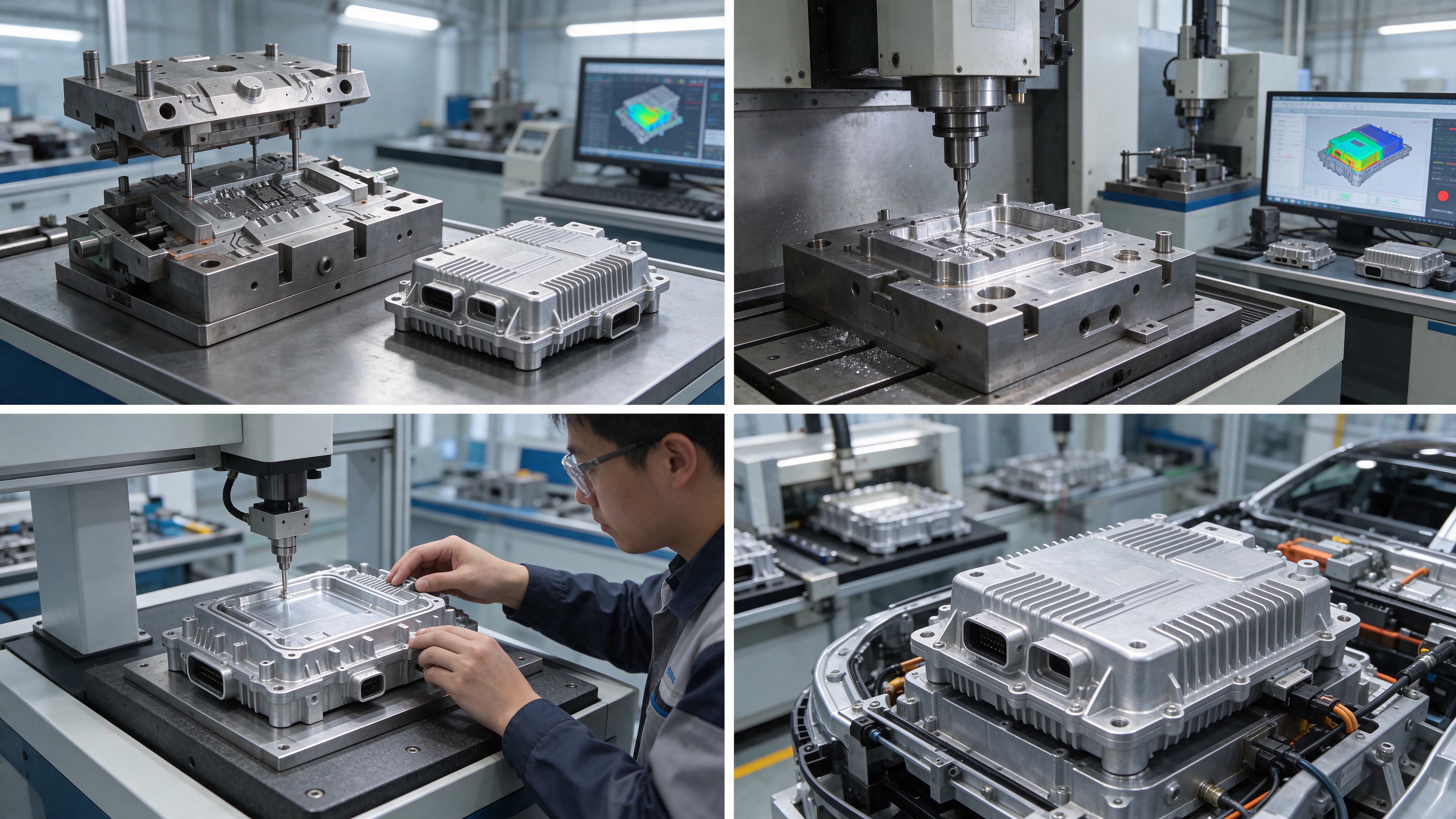
Mold performance depends heavily on the materials selected for inserts, cores, cavity components, slides, ejector components, and structural plates. These materials must withstand repeated thermal shock, mechanical loading, abrasive contact, and the corrosive or erosive effects associated with molten aluminum.
Appropriate hot-work tool steels are commonly selected for high-temperature die-casting mold components because they offer a balance of strength, toughness, thermal-fatigue resistance, and machinability. Material selection is considered together with heat treatment, surface condition, expected production volume, and the geometry of the component.
High-stress or high-wear areas may require special attention. Gate regions, sharp transitions, ejector locations, slide interfaces, and areas exposed to rapid temperature changes can experience more severe operating conditions. The manufacturing plan can use suitable steel grades, heat treatment, polishing, and replaceable inserts to support service life.
High-precision CNC machining centers are used to produce mold plates, cavity inserts, core components, slides, and other detailed structures. CNC machining provides controlled dimensional accuracy and repeatable tool paths, which are essential for complex controller housing geometry.
Machining strategy is selected according to the shape and function of each component. Roughing operations remove bulk material efficiently while leaving a controlled allowance for finishing. Semi-finishing operations improve geometric stability, and finishing operations establish the final surface and dimensional condition.
Special attention is given to corner radii, rib details, sealing surfaces, mounting locations, and areas that influence part release. Stable workholding and appropriate cutting parameters help prevent distortion and support consistent results between related mold components.
Electrical discharge machining is useful for producing narrow slots, deep details, sharp internal features, and complex areas that may be difficult to reach with conventional cutting tools. It is particularly valuable when the controller housing mold includes intricate ribs, grooves, connector-related details, or difficult internal geometries.
EDM processing must be controlled to manage surface condition and dimensional accuracy. After EDM, the affected surface may require polishing or other finishing operations depending on the functional requirements of the cavity. Proper electrode design and wear compensation help maintain the intended geometry.
Heat treatment supports the strength, hardness, toughness, and dimensional stability of mold components. A carefully controlled treatment cycle can reduce the risk of premature wear, cracking, deformation, and thermal-fatigue damage during production.
Stress control is important before and after precision machining. Large or complex mold components may contain residual stresses resulting from material production or rough machining. Appropriate process sequencing helps limit movement during finishing and assembly.
Cavity surface condition influences casting appearance, release behavior, cleaning requirements, and the quality of visible housing surfaces. Surface finishing is selected according to the intended appearance and function of each region.
Some areas may require a smooth finish to support release or sealing. Other regions may use a controlled texture to manage appearance or reduce the visibility of minor surface variation. Polishing is performed with attention to geometry so that edges, radii, and detailed features are not unintentionally altered.
Effective cooling is essential for stable die-casting production. Cooling channels help manage the temperature of cavity and core components, reduce cycle variation, and support more uniform solidification. They can also reduce thermal stress in the mold and help preserve dimensional stability over repeated cycles.
The cooling layout is developed around the geometry of the controller housing. Thick sections, bosses, deep pockets, and areas near gates may require particular attention because they can retain heat. At the same time, cooling must be balanced to avoid excessive thermal gradients that could contribute to distortion or premature mold damage.
Cooling performance is evaluated during mold trials. Temperature observations, cycle behavior, casting deformation, and surface results provide information for adjusting water flow, process parameters, or local cooling arrangements.
The ejection system must remove the casting without damaging thin walls, ribs, sealing surfaces, or connector-related features. Ejector pins and other ejection components are distributed according to the part’s stiffness, draft, shrinkage behavior, and areas of likely adhesion.
Excessive local ejection force can mark or deform the housing. Insufficient support can cause the casting to remain in the cavity or deform during removal. The mold design therefore considers the balance of ejection forces and ensures that the casting is supported at appropriate structural locations.
Ejector components are also designed for maintenance. Wear, galling, contamination, or misalignment can affect production quality, so accessibility and replaceability are valuable features for long-term operation.
Quality control begins with the review of incoming materials and continues through machining, assembly, trial casting, finishing, and final inspection. The objective is not only to confirm that the mold conforms to drawings, but also to verify that it can produce a stable and functional controller housing.
Dimensional inspection may include coordinate measurement of mold components, verification of critical distances, checking of insert alignment, and confirmation of parting-line matching. These inspections help prevent small tooling errors from becoming repeated casting defects.
Trial castings are examined for filling completeness, flash, surface condition, deformation, ejector marks, dimensional accuracy, and visible flow-related issues. Where appropriate, internal quality may be assessed using non-destructive examination methods such as radiographic inspection or other approved techniques.
The final controller housing may require additional machining before inspection of critical interfaces. Machined holes, sealing surfaces, and mounting features are checked against the relevant drawings and functional requirements. This approach reflects real production conditions more accurately than evaluating the raw casting alone.
Leak testing may be relevant when the housing must protect electronics from moisture or when it forms part of a sealed assembly. The appropriate test method depends on the product design, sealing system, and customer specification. The mold must provide a casting with suitable surface and dimensional consistency for the selected sealing process.
Ningbo Dinghong Mould Co., Ltd. operates with ISO 9001 and IATF 16949 quality management system certifications. These systems support structured control of processes, documentation, traceability, corrective action, and continual improvement.
IATF 16949 is particularly relevant to automotive supply chains because it emphasizes process control, risk management, customer-specific requirements, defect prevention, and consistent production performance. Certification does not replace product-specific engineering, but it provides an organized framework for managing the activities surrounding automotive tooling and components.
Standardized procedures also support communication between design, machining, assembly, production, inspection, and customer-service teams. When technical information is controlled and changes are documented, the risk of misunderstanding is reduced during mold development and modification.
A general-purpose mold may produce a basic aluminum enclosure, but it may not address the detailed requirements of a high-power automotive controller. The main difference is the level of integration between product function and tooling design.
A specialized housing mold considers thermal structures, connector locations, sealing interfaces, mounting points, and downstream machining at the beginning of the project. This is more effective than treating these features as late modifications after the basic cavity has already been completed.
Compared with fabricated sheet-metal housings, die-cast aluminum housings can offer more integrated three-dimensional geometry, improved repeatability, and fewer joining operations. Compared with machining the entire housing from a solid block, die casting can reduce material waste, cycle time, and production cost for larger volumes.
Compared with a low-cost mold made without detailed flow analysis, an engineered mold has a stronger basis for gate placement, overflow design, venting, cooling, and ejection. This may reduce trial-and-error adjustments and shorten the path to stable production.
Compared with a supplier that provides only mold machining, an integrated manufacturer can evaluate the relationship between tooling and casting performance. This broader perspective is valuable because mold quality cannot be separated from injection parameters, trimming, machining, inspection, and final application requirements.
| Evaluation Area | Purpose-Built Controller Housing Mold | Less Specialized Tooling Approach |
|---|---|---|
| Product analysis | Reviews thermal, structural, sealing, connector, and assembly requirements together | May focus mainly on basic external shape |
| Flow development | Uses mold-flow evaluation to guide gates, overflows, vents, and filling balance | May rely heavily on trial and adjustment after machining |
| Heat dissipation | Supports accurate formation of ribs, fins, and thermal interfaces | May require additional parts or less optimized features |
| Dimensional control | Prioritizes mounting, sealing, connector, and locating features | May provide less consistent functional interfaces |
| Production stability | Considers cooling, ejection, maintenance, and repeated thermal cycling | May have greater variation during long production runs |
| Downstream processing | Plans for trimming, machining, testing, and inspection | May treat secondary operations as separate concerns |
| Technical support | Can connect mold engineering with die casting and finishing experience | May offer limited support after tool delivery |
Ningbo Dinghong Mould Co., Ltd. was established in 2013, following the earlier establishment of Yuejin Mould in 1998. The company is located in Daqi Street, Beilun District, Ningbo, Zhejiang Province, an area known for its die-casting and mold-manufacturing activity and positioned near Beilun Port.
The company occupies approximately 20 mu of land and has developed into a modern manufacturing enterprise with approximately 15,000 square meters of plant space. Its operations cover mold design, mold manufacturing, die casting, finishing, and trade, allowing different stages of a project to be managed within a connected manufacturing organization.
The production facility includes high-precision CNC machining centers, EDM equipment, die-casting machines, automated trimming lines, and testing equipment. This combination supports a complete process flow from tooling construction to cast-product development.
Automated trimming lines are valuable for aluminum die-cast housings because flash and overflow removal must be consistent. Controlled trimming helps reduce variation and protects the edges and functional surfaces of the casting. It also supports safer and more efficient production than relying entirely on manual removal.
Die-casting equipment and process experience enable the company to evaluate how the completed mold behaves under real production conditions. This can reveal issues that are not visible during mold assembly alone, such as local filling difficulty, cycle-time imbalance, ejection resistance, or thermal instability.
The company’s product experience covers automotive parts, household appliance parts, telecommunication components, and other aluminum alloy products. It also serves new-energy, photovoltaic, electrical, motorcycle, pump and valve, fitness equipment, robotic, and related industries. This broad exposure supports knowledge transfer between applications while allowing each new project to receive product-specific engineering attention.
The project begins with the collection and review of 3D models, two-dimensional drawings, material information, annual volume, equipment parameters, quality expectations, and delivery requirements. Any special requirements for sealing, machining, surface treatment, leak testing, or internal quality are identified at this stage.
Engineers analyze draft, wall thickness, parting lines, undercuts, ribs, bosses, mounting points, and likely deformation areas. They also review whether the proposed geometry is appropriate for aluminum die casting and whether any product changes could improve quality or reduce mold complexity.
Potential gate, overflow, vent, and cooling strategies are evaluated through mold-flow analysis. The results support decisions about filling balance, air evacuation, solidification, thermal behavior, and the location of possible defects.
The complete mold structure is developed and reviewed before manufacturing. The design includes cavity and core arrangements, slides, inserts, ejectors, cooling channels, guide systems, die-casting interfaces, and maintenance considerations.
Steel components are cut, rough-machined, heat-treated when required, semi-finished, EDM-machined, CNC-finished, polished, and inspected. Manufacturing sequences are selected to reduce distortion and protect the accuracy of mating components.
Completed components are fitted and assembled. Alignment, movement, cooling connections, ejection travel, parting-line contact, and slide operation are checked. Any interference or abnormal resistance is corrected before trial production.
The mold is installed on suitable die-casting equipment for initial trials. Process conditions are adjusted to evaluate filling, surface quality, cycle behavior, ejection, trimming, and casting dimensions.
Trial castings and mold components are inspected. If required, modifications may be made to gates, vents, overflows, cooling, ejector positions, polishing, or local geometry. The goal is to resolve problems at the tooling source rather than compensate for them later through excessive manual work.
After the mold meets the agreed technical requirements, final documentation, inspection records, spare-part information, and maintenance recommendations can be prepared. The customer may then conduct additional approval or production validation according to its own quality system.
The controller housing mold supports the growing demand for compact and powerful automotive electronic systems. As vehicles adopt more electric functions, power-management devices, charging systems, converters, and intelligent control modules, the need for lightweight and thermally effective enclosures continues to increase.
Aluminum die casting is appropriate for many of these applications because it combines structural performance with moderate weight and good heat-transfer capability. A well-designed housing can protect internal electronics while contributing to the module’s thermal-management strategy.
The housing can also support vehicle integration. Accurate mounting locations and connector interfaces make it easier to install the controller in a limited space. Consistent castings help reduce assembly adjustments and support repeatable electrical and mechanical connections.
For original equipment manufacturers and system suppliers, stable tooling can contribute to predictable program timing. A mold that reaches production maturity efficiently helps reduce the risk of late engineering changes, casting scrap, and supply interruptions.
Even a high-quality die-casting mold requires regular maintenance. Cleaning, lubrication, inspection, cooling-system management, and replacement of wear components are essential to maintain performance over time.
Operators should monitor parting surfaces for flash, inspect ejector pins for wear or sticking, and check slides and guide components for abnormal movement. Cooling channels should be kept clear so that heat transfer remains consistent. Gate and overflow areas should also be inspected because repeated metal flow can gradually alter their condition.
Maintenance intervals depend on alloy, production volume, injection conditions, cycle time, and part geometry. A preventive maintenance plan is more effective than waiting for a visible defect or mechanical failure. Early replacement of a worn component can prevent damage to larger and more expensive mold elements.
Serviceability is considered during mold design. Accessible components, replaceable inserts, clear inspection points, and organized documentation can shorten maintenance work and reduce production downtime. These features are especially valuable when the mold is used continuously for high-volume automotive programs.
Die casting can support material efficiency by producing near-net-shape aluminum components with less machining waste than manufacturing the entire housing from solid material. Aluminum scrap generated during trimming and machining can often be collected and recycled according to the customer’s material-control procedures.
A durable mold also contributes to resource efficiency. Longer service life means fewer replacement molds, less steel consumption, and lower disruption to production. Stable casting quality reduces rejected parts and the energy associated with remelting, reprocessing, and repeated inspection.
Efficient cycle design can further reduce energy use. Balanced filling, effective cooling, automated trimming, and stable process control help shorten unnecessary cycle time and improve equipment utilization. These benefits depend on the complete production system, but they begin with suitable mold engineering.
Customers purchasing a die-casting mold need more than a set of steel components. They need confidence that the tooling will support production objectives, quality requirements, and future service needs. An experienced supplier can contribute by communicating clearly, identifying risks early, and maintaining technical continuity from design through production.
Dinghong serves customers in China, South America, Southeast Asia, and other international markets. International project experience requires attention to technical communication, documentation, packaging, shipping, approval procedures, and customer-specific standards.
The company’s location near Beilun Port also supports logistical access for exported molds and die-cast products. More importantly, its integrated capabilities allow customer discussions to include not only mold construction but also casting, finishing, inspection, and production feasibility.
For a controller housing project, this integrated support can simplify supplier coordination. Instead of separating mold design, tool construction, trial casting, trimming, and quality evaluation among unrelated providers, customers can work with a partner that understands the relationship between these stages.
The mold is designed to produce an aluminum alloy housing for a 6.6 kW automotive electronic controller. It supports the formation of structural walls, heat-dissipation features, mounting interfaces, connector-related openings, and other geometry required for the completed housing.
Aluminum offers a useful combination of low density, thermal conductivity, castability, corrosion resistance, and structural performance. These characteristics make it suitable for housings that must protect electronics while helping manage heat and vehicle weight.
Yes. The mold is engineered to reproduce heat-dissipation structures such as ribs and fins, subject to the final product geometry, draft, wall thickness, and casting process conditions. Mold-flow analysis and ejection planning help ensure that these features can be filled and released reliably.
Dimensional accuracy is supported through product analysis, controlled parting-line design, precision CNC machining, EDM processing where required, accurate assembly, mold inspection, and trial-casting verification. Critical areas can also be designed with suitable machining allowances for final finishing.
Mold-flow analysis helps evaluate filling behavior, flow balance, air entrapment, solidification, hot spots, potential shrinkage, and thermal conditions before the mold is manufactured. It provides a technical basis for refining gates, overflows, vents, cooling, and other features.
The mold is developed for repeated die-casting production. Its suitability for a specific production volume depends on the final design, alloy, machine, cycle conditions, quality requirements, and maintenance plan. These factors should be confirmed during technical review and trial validation.
Ningbo Dinghong Mould Co., Ltd. has ISO 9001 and IATF 16949 quality management system certifications. These systems support controlled procedures, process monitoring, corrective action, traceability, and continual improvement.
Yes. The company’s capabilities include mold design, mold manufacturing, aluminum alloy die casting, finishing, and trade. This allows it to support customers that require both production tooling and die-cast components.
The company provides products and services for automotive, new-energy, photovoltaic, telecommunications, electrical, household appliance, motorcycle, pump and valve, fitness equipment, robotic, and other industries requiring aluminum alloy molds or castings.
Service life can be supported through correct die-casting parameters, effective cooling, regular cleaning, lubrication, inspection, preventive replacement of wear components, and prompt correction of flash or ejection problems. Following the supplier’s maintenance recommendations is also important.
Useful information includes the 3D part model, two-dimensional drawings, alloy specification, annual volume, required machine conditions, surface requirements, critical tolerances, sealing or leak-test requirements, machining needs, inspection standards, and expected delivery schedule.
Yes. Early design review is the best stage for identifying changes that may improve filling, ejection, heat dissipation, dimensional stability, machining, or mold serviceability. Product changes should be evaluated jointly with the customer’s engineering and quality teams.
The 6.6 kW controller housing die-casting mold is designed for the demanding requirements of automotive electronic enclosures. Its value comes from the combination of accurate structural molding, heat-dissipation capability, reliable ejection, repeatable interfaces, and compatibility with downstream production processes.
Compared with less specialized tooling approaches, this solution places greater emphasis on the complete relationship between product function, mold design, casting behavior, finishing, and inspection. Mold-flow analysis, precision CNC machining, EDM processing, controlled heat treatment, cooling-system design, and structured trial validation all contribute to a more reliable production result.
Ningbo Dinghong Mould Co., Ltd. strengthens this product offering through integrated capabilities in mold design, mold manufacturing, die casting, finishing, testing, and international supply. Its automotive experience, certified quality systems, advanced equipment, engineering team, and broad application background provide a solid foundation for complex aluminum alloy tooling projects.
For automotive manufacturers and electronic-system suppliers, a stable controller housing mold can improve assembly consistency, reduce casting variation, support thermal performance, and help control long-term production costs. With appropriate technical collaboration and preventive maintenance, the mold can serve as a dependable manufacturing platform for high-power controller housings and related aluminum alloy electronic components.
1. Aluminum Association. Aluminum Properties and Applications in Transportation and Automotive Components.
2. International Organization for Standardization. ISO 9001 Quality Management Systems: Requirements.
3. International Automotive Task Force. IATF 16949 Quality Management System Requirements for Automotive Production and Relevant Service Parts Organizations.
4. NADCA. Product Standards for Die Casting and Guidelines for Die Design.
5. ASM International. ASM Handbook: Volume 15, Casting.
6. American Foundry Society. Principles of Metal Casting and Aluminum Die-Casting Practice.
7. European Aluminium. Technical Guidance on Aluminum Casting, Recycling, and Automotive Applications.

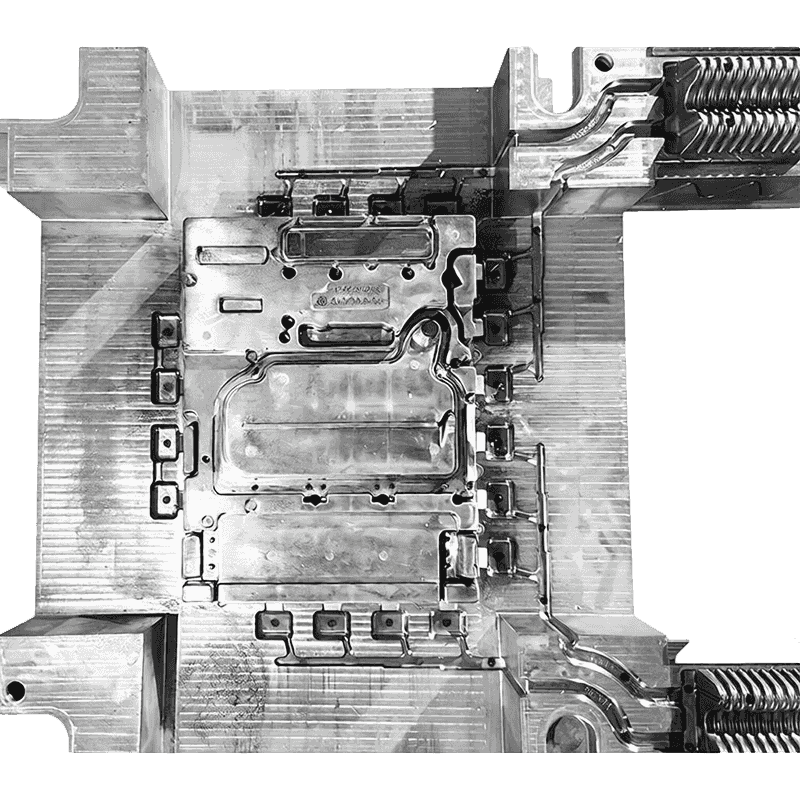
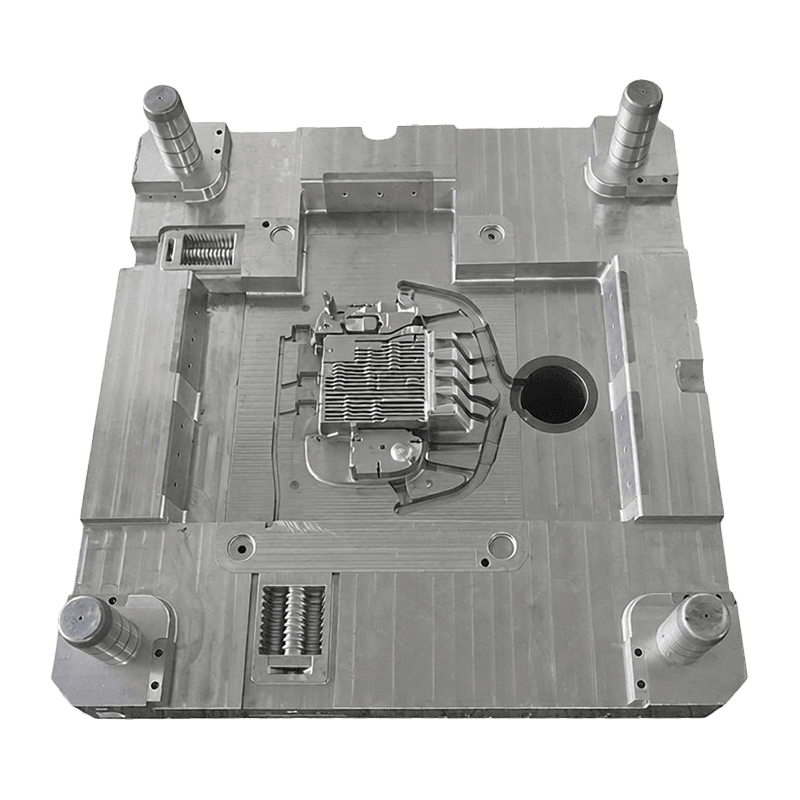
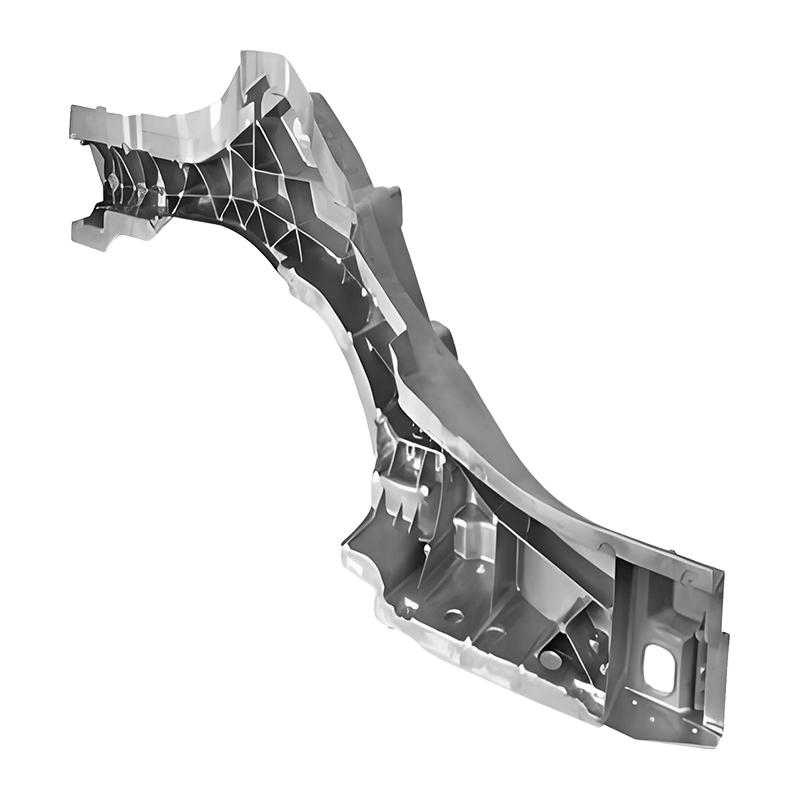
Die casting automotive parts are made by forcing molten metal into a steel mold under high pressure, where it fills t...
READ MOREMetal Injection Molding vs Die Casting: Start With the Part A buyer often arrives at this comparison with two very diff...
READ MOREA 12-week die casting mold build can look competitive on quote and still become the expensive option if the first trial...
READ MOREA 180 g aluminum housing with 1.8 mm walls and a ±0.10 mm bearing bore is quoted in the same week as a 12 g stainless s...
READ MORE

Sun Yuejun: +86-13806631860
Wang Shiyong: +86-15958891460 / 15058297768
Dove Yao: +86-18625086675


Copyright © Ningbo Dinghong Mould Co., Ltd. Rights Reserved. Custom Precision Die Casting Aluminum Alloy Parts Manufacturers
